 Self-cycleTM IVF


-
-
-
 Infertility Counselling
-
 Female Infertility Treatment
-
 Andrology Treatment
-
 Fertility Enhancing Surgeries - Female
-
 Fertility Enhancing Surgeries - Male
-
 Endoscopy Treatment
-
 IUI Treatment
-
 IVF Treatment
-
 ICSI Treatment
-
 Advance IVF Solutions
-
 Embryology
-
 Vitrification Egg, Embryo, Sperm Freezing
-
 Preimplantation Genetic Testing (PGT)
-
 Donation Program Embryo / Egg / Sperm
-
 Self-cycleTM IVF
-
-
-
-
-
Anovulation Symptoms
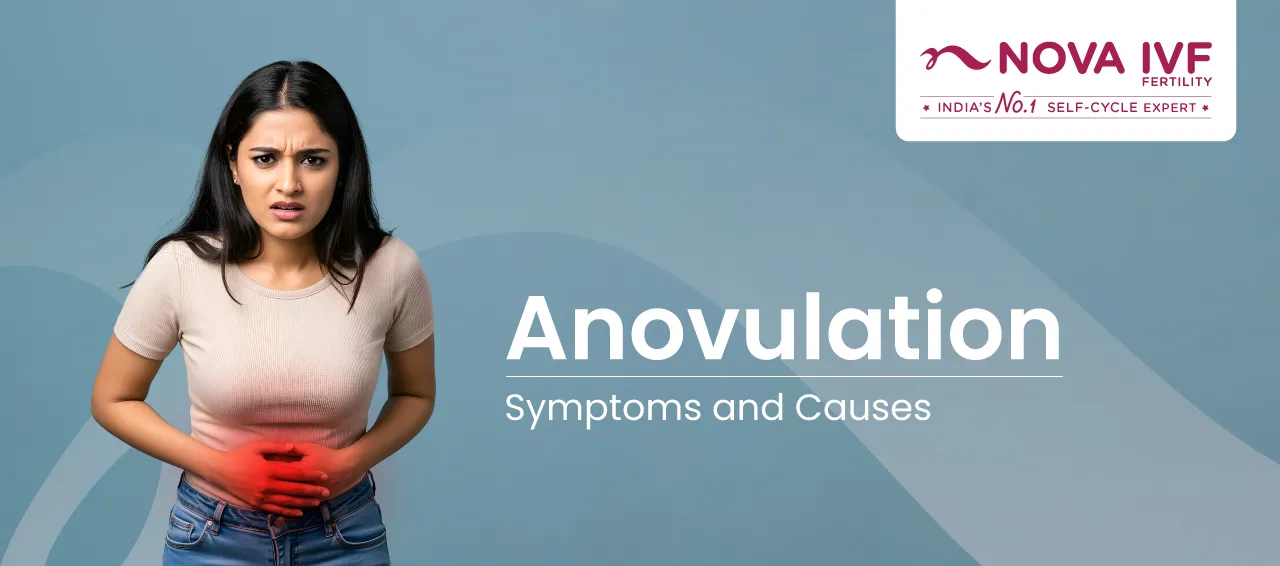
Anovulation happens when a woman does not ovulate in a menstrual cycle. Every woman goes through a phase of anovulation at some point in her life. During pregnancy, breastfeeding, menarche, and menopause, anovulation is bound to happen. But in some cases, women of reproductive age, experience chronic anovulation which can lead to infertility.
Obesity, underweight, hyperthyroidism, excessive exercising, stress, hyperprolactinemia, perimenopause, PCOS, etc. are some of the common reasons for anovulation in women. In this article, lets take a close look at the anovulation symptoms.
Key Takeaways
Anovulation refers to the failure of an egg to be released during a menstrual cycle, and is mostly related to abnormal menstrual cycle or missed periods. Early detection of anovulation symptoms enables women to get medical care on time, learn about potential fertility-related issues, and take necessary measures to deal with reproductive health-related problems with the help of appropriate clinical counselling and treatment.
What are Anovulation Symptoms
Common signs of anovulation include:
Amenorrhea
The absence of menstruation is known as amenorrhea. Around 20% of women experience no periods due to ovulatory dysfunction.
Irregular Menstruation
Women with anovulation experience irregular periods as well as bleeding. In some cases, periods will be more than 35 days apart and with infrequent and light spotting.
Lack of Ovulation Symptoms
One may not display ovulation symptoms in an anovulatory cycle. During the mid-cycle due to high levels of progesterone, women experience mastodynia or sore and tender breast, a noticeable shift in basal body temperature and egg white cervical mucus. Women with this condition may not experience all or some of these ovulation symptoms.
Silent Ovulation
Sometimes, even in an anovulatory cycle, women may have regular periods. This is known as silent ovulation. In this case, the anovulation is not chronic and does not happen in every menstrual cycle.
How to Manage Anovulation Symptoms
The treatment of anovulation symptoms aims at determining the cause and uses hormone therapy to support hormonal equilibrium. Early action helps reduce the impact of anovulation on fertility and menstrual health.
- Maintaining a healthy body weight, whether being underweight or obese, can affect ovulation.
- Consume a balanced diet rich in iron, protein, and the necessary vitamins to aid hormonal functioning.
- Keep track of your monthly menstrual cycles to spot any trends that may be linked to anovulation symptoms.
- Reduce stress with relaxation techniques like meditation, yoga, or light exercise.
- Manage underlying diseases such as PCOS, thyroid diseases or hormonal imbalances.
- Follow prescribed ovulation-inducing medicines if recommended by a fertility specialist.
- Due to their tendency to disrupt the balance of hormones involved in reproduction, drinking and smoking should be avoided.
- Seek timely medical evaluation when signs of anovulation persist.
Women experiencing the symptoms of anovulation are advised to consult a physician to get a clear diagnosis and treatment path. The detection of the symptoms of anovulation facilitates early treatment and increases the probability of ovulation and subsequent fertility restoration.
FAQs
1. What are the common infertility signs in women linked to anovulation?
In women, some of the signs of infertility that may be observed include irregular periods, absent or missed menstrual cycles, problems with conception and hormonal imbalances, but this can be determined when ovulation fails to take place at a regular period.
2. Can anovulation happen even if periods are regular?
Yes. Menstrual bleeding without actual ovulation can occur in some women, delaying pregnancy planning and necessitating a medical evaluation.
3. Are anovulation symptoms always related to PCOS?
No. Even though PCOS is often the cause, thyroid problems, stress, weight gain and loss, irregularities in hormones may also lead to the symptoms of anovulation.
4. When to see a doctor for signs of anovulation?
Women who experience irregular menstrual cycles with missed periods or show signs of infertility should seek medical advice after their condition persists for a few months.
5. Can lifestyle changes improve ovulation?
In some cases, healthy nutrition, weight control, stress reduction, and frequent medical check-ups can help regulate hormone production and even enhance ovulation.
6. Is anovulation treatable?
Yes. Its therapy is based on the underlying cause and can be in the form of medication, hormonal therapy or fertility assistance to restore ovulation and increase pregnancy odds.