 Self-cycleTM IVF


-
-
-
 Infertility Counselling
-
 Female Infertility Treatment
-
 Andrology Treatment
-
 Fertility Enhancing Surgeries - Female
-
 Fertility Enhancing Surgeries - Male
-
 Endoscopy Treatment
-
 IUI Treatment
-
 IVF Treatment
-
 ICSI Treatment
-
 Advance IVF Solutions
-
 Embryology
-
 Vitrification Egg, Embryo, Sperm Freezing
-
 Preimplantation Genetic Testing (PGT)
-
 Donation Program Embryo / Egg / Sperm
-
 Self-cycleTM IVF
-
-
-
-
-
Causes of Klinefelter Syndrome
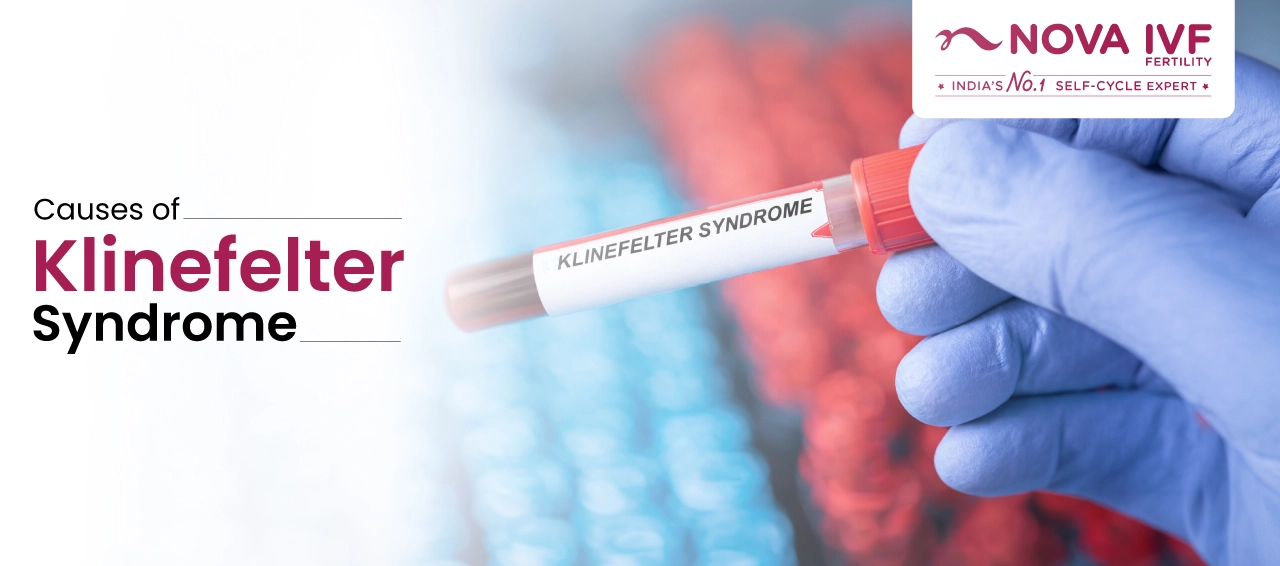
Causes of Klinefelter Syndrome
Klinefelter syndrome is a genetic disorder in which a boy is born with an extra copy of the X chromosome. Men with Klinefelter syndrome have XXY chromosome in their cells instead of XY chromosome. Low muscle tone, low testosterone, small testicles, large breast tissues, mild dyslexia, etc. are some of the symptoms of this sex chromosomal disorder. Many men who have this disorder do not realize it until adulthood when they face issues due to infertility.
In this article, we will discuss what causes Klinefelter syndrome.
An extra copy of X chromosome can occur due to nondisjunction of sex chromosomes. Every individual has 46 chromosomes that include two sex chromosomes, X and Y. Men have one X and one Y chromosome. Men inherit the X chromosome from their mother and the Y chromosome from their father. In the case of Klinefelter syndrome, men inherit an extra X chromosome from either of the parents.
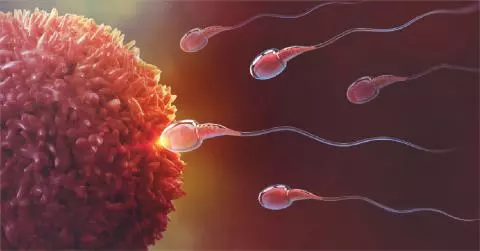
This is thought to be caused due to the failure of chromosome separation or nondisjunction during the egg or sperm formation in the parent. If the gamete with the extra X chromosome happens to fuse with the normal gamete, then the embryo may inherit this extra sex chromosome. Women who conceive after the age of 35 have higher chances of having a boy with this rare genetic disorder.
Some men have this extra copy of the X chromosome in each cell of their body. While others have it in some of their cells, which is known as the mosaic Klinefelter syndrome.
What are the complications of Klinefelter syndrome?
Klinefelter syndrome is a male chromosomal disorder caused by a supernumerary X chromosome (most commonly 47, XXY). Since it affects hormone production and testicular function, it can lead to multiple long-term health concerns. Many complications vary depending on how early the condition is diagnosed and whether testosterone support is started.
Possible complications include:
- Infertility or subfertility
- Low testosterone levels, which may lead to delayed puberty or incomplete sexual development
- Less facial and body hair compared to other males
- Reduced libido and erectile dysfunction in some adults
- Small testicular size with poor sperm production
- Gynecomastia (breast enlargement), which may continue into adulthood
- Slightly increased risk of breast cancer (rare)
- Bone weakness, such as osteopenia or osteoporosis, with higher fracture risk
- Increased fat accumulation and risk of obesity
- Higher chances of type 2 diabetes and insulin resistance
- High cholesterol and increased heart-related risks
- Mood concerns such as depression, anxiety, or low confidence
- Speech delay and learning problems in school-age children
- Increased risk of autoimmune conditions in a few cases
- Variation in symptoms in mosaic cases due to the effects of genetic mosaicism
Most cases result from sex chromosome nondisjunction, a feature of Klinefelter syndrome genetics. This is a birth-related chromosome change and is not linked to lifestyle or parenting factors.
FAQs
1. What causes Klinefelter syndrome?
What causes Klinefelter syndrome is usually a random chromosome error where a baby is born with an extra X chromosome.
2. Is Klinefelter syndrome inherited?
No. In most cases, it results from sex chromosome nondisjunction and is not passed down in families.
3. What is the Klinefelter syndrome genetic cause?
The genetic cause of Klinefelter syndrome is the presence of an extra X chromosome, commonly written as 47, XXY.
4. Can mosaic Klinefelter syndrome occur in men?
Yes. Some men have mosaic Klinefelter syndrome when the chromosome change happens during early fetal development. This might lead to a range of symptoms due to various Klinefelter syndrome causes.
5. Does Klinefelter syndrome always cause infertility?
No. It does not always cause infertility, but it is a well-known genetic fertility disorder, leading to many men having low sperm count or no sperm in their semen.
6. When do symptoms of Klinefelter syndrome usually appear?
Symptoms may start in childhood as a speech or learning delay. In others, the condition is noticed only at puberty due to low testosterone.
7. Can Klinefelter syndrome affect testosterone levels?
Yes. Many men have low testosterone, which may affect puberty, muscle strength, energy levels, and sexual function.
8. How is Klinefelter syndrome diagnosed?
Klinefelter syndrome is confirmed through a karyotype blood test, which analyses the chromosome pattern and detects the presence of a supernumerary X chromosome.
9. Is pregnancy possible if a man has Klinefelter syndrome?
Yes, it might be. Pregnancy may be possible with fertility treatment, depending on whether sperm are present in the semen or can be retrieved from the testes.
10. What causes Klinefelter syndrome in pregnancy?
Klinefelter syndrome is an accidental error in chromosome segregation during egg or sperm formation, leading to an extra X chromosome in the developing baby.