 Self-cycleTM IVF


-
-
-
 Infertility Counselling
-
 Female Infertility Treatment
-
 Andrology Treatment
-
 Fertility Enhancing Surgeries - Female
-
 Fertility Enhancing Surgeries - Male
-
 Endoscopy Treatment
-
 IUI Treatment
-
 IVF Treatment
-
 ICSI Treatment
-
 Advance IVF Solutions
-
 Embryology
-
 Vitrification Egg, Embryo, Sperm Freezing
-
 Preimplantation Genetic Testing (PGT)
-
 Donation Program Embryo / Egg / Sperm
-
 Self-cycleTM IVF
-
-
-
-
-
Guide to Fertility Testing & Its Types
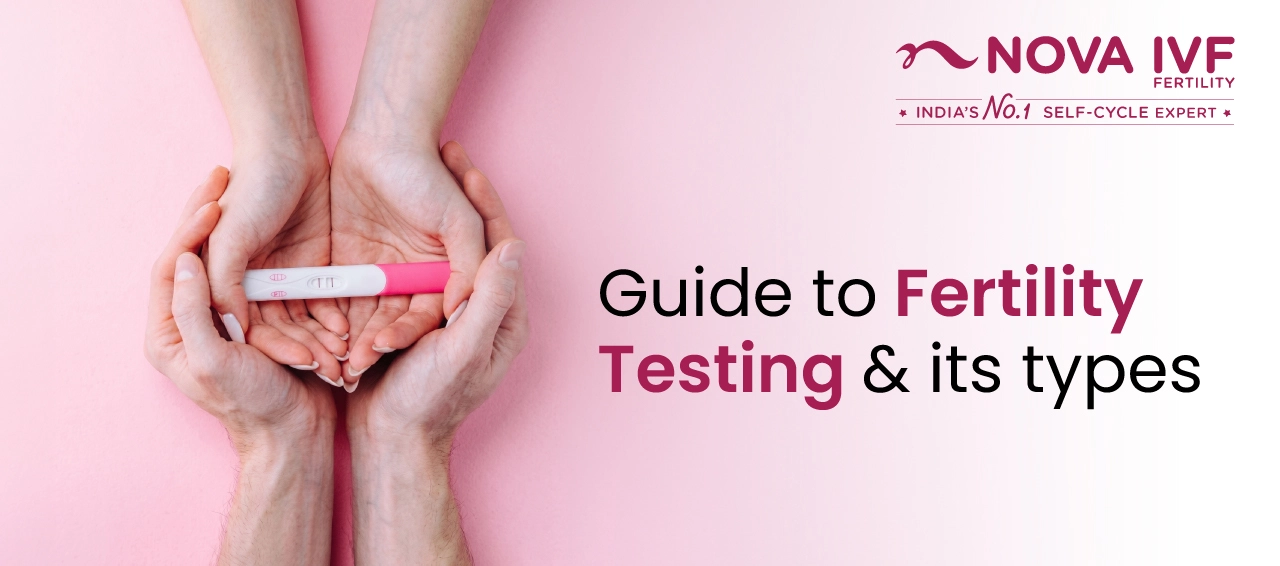
Infertility is a common issue faced by many couples. The condition is defined as a couple's inability to conceive despite having unprotected, well-timed sexual intercourse for over a year. Infertility can be treated but for this, it is important to first identify the causes. This is where fertility testing comes in.
What is Fertility Testing?
Fertility testing is the first stage of treatment for infertility. This is used to assess the problem that is not allowing the couple to conceive. Fertility testing applies to both men and women. The tests begin with understanding the couple's medical history and lifestyle followed by a few other tests.
Types of Fertility Tests
Blood Tests
This is usually the first test to be conducted. It is used to check the levels of hormones in the body and to screen for a disease that could affect fertility such as chlamydia and rubella. Some blood test may be scheduled around the woman's menstrual period.
Pelvic Examination
Here the doctor will check for signs of sexually transmitted diseases that could interfere with pregnancy.
Semen Analysis
This tests the quality and quantity of the sperm present in the semen. It is also used to check sperm motility.
BBT Charting
BBT charting involves recording basal temperatures to check ovulation.
Post Coital Test
The couple may be asked to have sexual intercourse and visit the doctor a few hours later. A sample of cervical mucus is then tested for the viability of the sperm and to see how it interacts with the cervical mucus.
Transvaginal (pelvic) Ultrasound Exam
An ultrasound may be advised. This test allows the doctor to see the ovaries and uterus. This type of ultrasound gives the doctor an idea of how the follicles within the ovary are functioning. It is usually performed 2 weeks before a woman's menstrual period.
Hysterosalpingogram or HSG
This is a series of X rays of the fallopian tubes taken after injecting a liquid dye into the uterus through the vagina. It helps detect blockages in the fallopian tubes and uterine defects.
Hysteroscopy
A hysteroscopy involves inserting a thin, flexible tube through the vagina into the uterus to allow the doctor to look into the uterus and check for any issues that could be causing infertility.
Laparoscopy
A laparoscope is inserted through an incision in the abdomen to look for endometrial scarring in this test. This test is performed while the patient is under general anaesthesia.
How Fertility Testing Helps Plan Parenthood?
A fertility test helps couples understand their reproductive health before starting or continuing their pregnancy journey. A proper fertility diagnostic evaluation identifies factors that may reduce conception chances, such as hormonal imbalance, ovulation issues, tubal blockage, or male factor infertility. This process follows recognised infertility assessment protocols and includes both partners through male and female fertility tests. A proper fertility health evaluation helps the specialist decide the most suitable next step, such as lifestyle correction, ovulation support, IUI, or IVF. In many couples, early reproductive health testing helps identify the cause sooner and allows treatment to begin without unnecessary delay. A comprehensive fertility workup helps doctors identify the cause of infertility and guide couples toward the most suitable treatment approach.
When to Take Pre-pregnancy Tests for Men and Women?
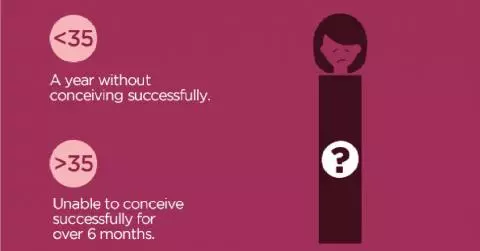
Knowing the right timing of fertility tests is important because some tests depend on cycle days and hormone patterns. Couples are usually advised to start fertility testing after one year of trying, or after six months if the woman is above 35 years. Earlier fertility assessment may be needed in cases of irregular periods, known PCOS, endometriosis, previous pelvic infections, or a history of miscarriage. For men, semen analysis can be done at any time. In some cases, the doctor may repeat the test to confirm the results. Early preconception fertility screening can help detect hidden issues before they become serious. A fertility specialist usually decides which male and female fertility tests are appropriate after reviewing the couple’s age, medical history, and how long they have been trying to conceive. This helps couples start the right treatment on time.
How Fertility Testing Helps Plan Parenthood?
A fertility test helps couples understand their reproductive health before starting or continuing their pregnancy journey. A proper fertility diagnostic evaluation identifies factors that may reduce conception chances, such as hormonal imbalance, ovulation issues, tubal blockage, or male factor infertility. This process follows recognised infertility assessment protocols and includes both partners through male and female fertility tests.
A proper fertility health evaluation helps the specialist decide the most suitable next step, such as lifestyle correction, ovulation support, IUI, or IVF. In many couples, early reproductive health testing helps identify the cause sooner and allows treatment to begin without unnecessary delay.
A comprehensive fertility workup helps doctors identify the cause of infertility and guide couples toward the most suitable treatment approach.
When to Take Pre-pregnancy Tests for Men and Women?
Knowing the right timing of fertility tests is important because some tests depend on cycle days and hormone patterns. Couples are usually advised to start fertility testing after one year of trying, or after six months if the woman is above 35 years.
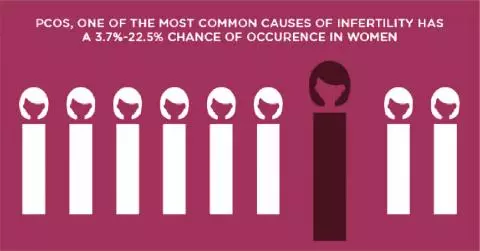
Earlier fertility assessment may be needed in cases of irregular periods, known PCOS, endometriosis, previous pelvic infections, or a history of miscarriage. For men, semen analysis can be done at any time. In some cases, the doctor may repeat the test to confirm the results.
Early preconception fertility screening can help detect hidden issues before they become serious. A fertility specialist usually decides which male and female fertility tests are appropriate after reviewing the couple’s age, medical history, and how long they have been trying to conceive. This helps couples start the right treatment on time.
FAQs
Q1. What is fertility testing?
Fertility testing refers to medical tests done to check the reproductive health of both partners and diagnose the probable causes of infertility.
Q2. What is fertility test used for?
A fertility assessment helps identify causes of infertility, such as ovulation problems, low sperm count, or blocked fallopian tubes.
Q3. When should couples go for fertility testing?
Most couples should consider fertility testing after 12 months of trying, or earlier if the woman is above 35 years.
Q4. What are the different types of fertility tests for women?
Some common types of fertility tests for women are hormone blood tests, ultrasound scans, and HSG (Hysterosalpingography).
Q5. What are the different types of fertility tests for men?
The most common male test is semen analysis, along with hormone testing when required.
Q6. Is fertility testing painful?
Most tests are simple blood tests or scans. Some procedures, like HSG, may cause mild discomfort.
Q7. How long does fertility testing take?
A full fertility evaluation may take a few weeks, as some tests are scheduled for specific days of the cycle.
Q8. Does fertility testing confirm infertility?
Not always. Fertility results may be normal in some couples, which is called unexplained infertility.
Q9. Can fertility testing detect ovulation problems?
Yes. Ovulation can be checked using hormone blood tests, follicle tracking scans, and cycle-based monitoring.
Q10. Should both partners undergo fertility testing?
Yes. Fertility testing should be done for both partners, since male and female factors can contribute to infertility.
Related Fertility Blogs