 Self-cycleTM IVF


-
-
-
 Infertility Counselling
-
 Female Infertility Treatment
-
 Andrology Treatment
-
 Fertility Enhancing Surgeries - Female
-
 Fertility Enhancing Surgeries - Male
-
 Endoscopy Treatment
-
 IUI Treatment
-
 IVF Treatment
-
 ICSI Treatment
-
 Advance IVF Solutions
-
 Embryology
-
 Vitrification Egg, Embryo, Sperm Freezing
-
 Preimplantation Genetic Testing (PGT)
-
 Donation Program Embryo / Egg / Sperm
-
 Self-cycleTM IVF
-
-
-
-
-
Implantation symptoms and early signs of pregnancy
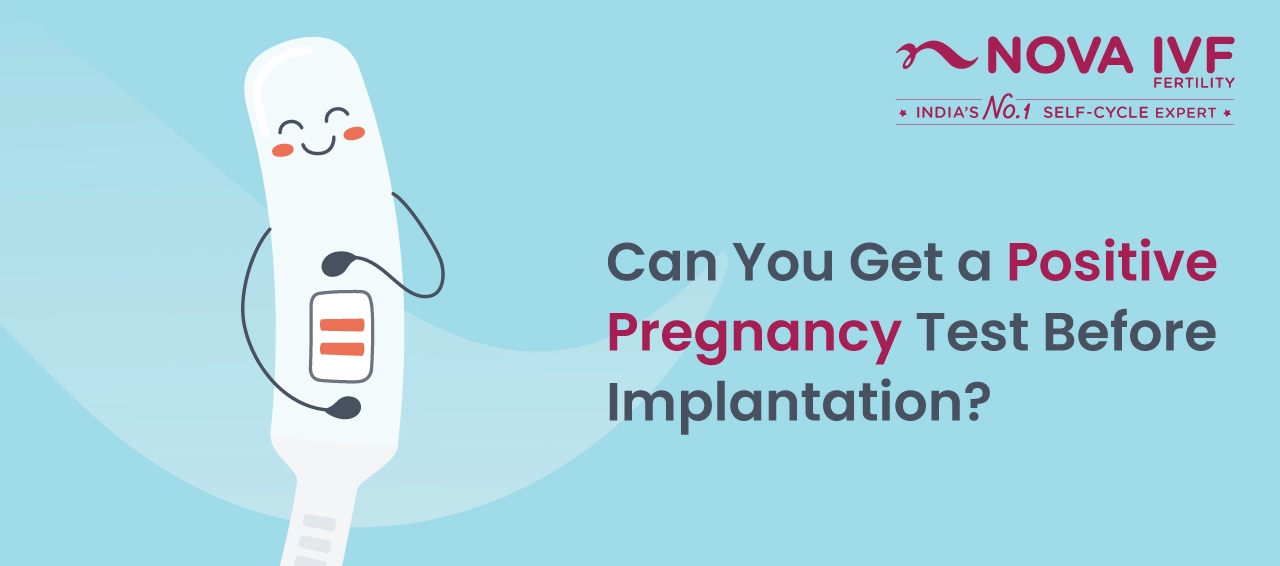
Implantation and When Pregnancy Tests Become Accurate
You cannot get a positive pregnancy test before implantation symptoms begin. The hormone required for detection, hCG, simply does not exist in traceable forms in the body until the formed embryo attaches to the uterine wall. Without this attachment, there are no measurable indicators in your blood or urine, meaning any test taken too early will likely be negative regardless of fertilisation.
What happens after implantation is a consistent rise in hCG production, which eventually triggers post-implantation symptoms and allows for accurate testing. Usually, it takes several days after attachment for levels to be high enough for a home kit to read. To get the most accurate and reassuring result, try to wait until your missed period. Testing before your body has had enough time to build up these hormones can often lead to confusing false negatives, even if your journey toward parenthood has already started.
FAQs
1. After implantation, what happens?
hCG production begins, supporting the uterine lining and triggering early pregnancy changes.
2. What happens after implantation bleeding?
Light spotting usually stops within 1–2 days, followed by rising hormone levels and possible mild symptoms.
3. What happens during implantation?
At the time of implantation, the embryo attaches to the uterine lining and starts forming the foundational structures of the developing placenta.
4. What are the signs of successful implantation?
Typical signs are light spotting, mild cramping, and rising hCG levels.
5. What to expect after implantation?
Subtle symptoms can appear before a missed period, but many women experience no noticeable physical changes.
6. Can a test be positive immediately after implantation?
Immediate testing is unreliable. It takes several days for hCG to accumulate sufficiently in your system to trigger a positive result on home kits.
7. How accurate are home pregnancy tests?
They aren't foolproof. If you test too early, you're likely to get a wrong result. Wait until after a missed period before trusting the result.
8. Should you confirm a positive home test?
Yes. A professional blood test is necessary to confirm the result and measure hormone levels.
9. Can implantation occur without symptoms?
Yes. Many women experience no noticeable symptoms during a healthy implantation process.
10. Do early pregnancy symptoms guarantee pregnancy?
No. Menstrual and pregnancy symptoms overlap. Only a test provides definitive confirmation.
Related Fertility Blogs