 Self-cycleTM IVF


-
-
-
 Infertility Counselling
-
 Female Infertility Treatment
-
 Andrology Treatment
-
 Fertility Enhancing Surgeries - Female
-
 Fertility Enhancing Surgeries - Male
-
 Endoscopy Treatment
-
 IUI Treatment
-
 IVF Treatment
-
 ICSI Treatment
-
 Advance IVF Solutions
-
 Embryology
-
 Vitrification Egg, Embryo, Sperm Freezing
-
 Preimplantation Genetic Testing (PGT)
-
 Donation Program Embryo / Egg / Sperm
-
 Self-cycleTM IVF
-
-
-
-
-
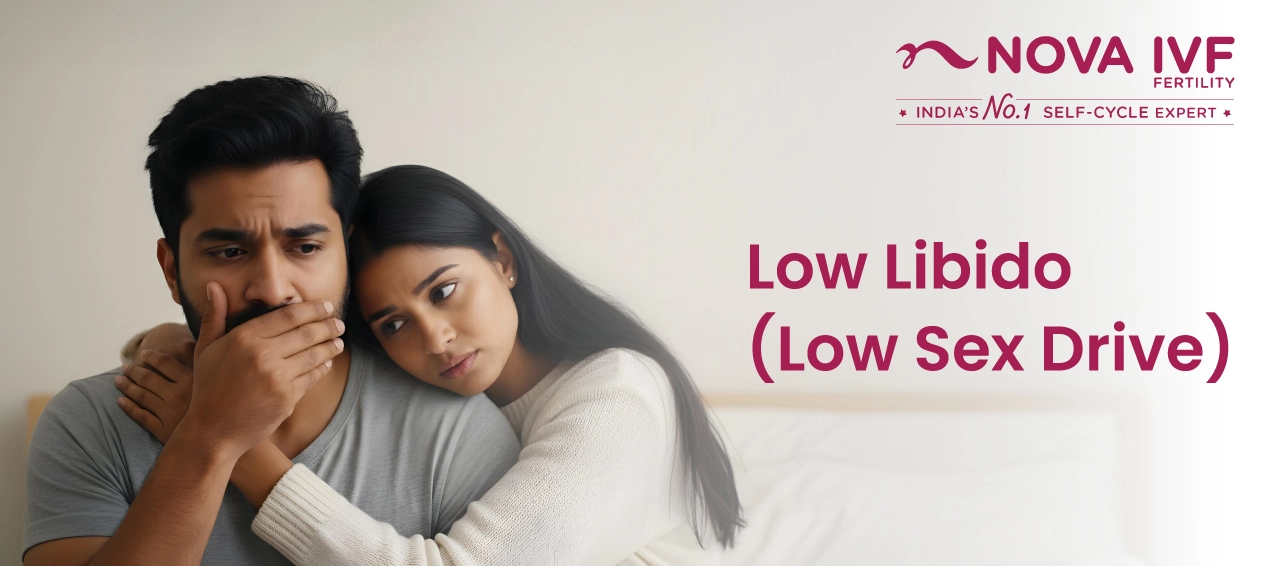
Low Libido (Low Sex Drive)
Exercise and Healthy Lifestyle Habits
Exercise, along with a healthy lifestyle, is critical for improving reproductive health and managing low libido.
- Regular exercise will help stabilise hormones, improve blood circulation, and relieve stress, all of which have a significant impact on desire.
- Moreover, focusing on a healthy diet, rest, and taking care of mental health will be effective in addressing the low libido causes, including hormonal imbalances, stress, and many other lifestyle factors that may negatively affect libido.
- Avoiding smoking, curtailing alcohol consumption, and maintaining a healthy body weight enhance energy levels and sexual activity.
- In some individuals, medications causing low libido or age-related libido changes may contribute to reduced interest, making lifestyle modification an important supportive approach.
Learning about the reasons for low libido and adopting regular healthy habits can lead to a gradual improvement in general wellness and sexual desire.
Normal Libido vs Low Libido
Normal libido varies among individuals and can change over time due to emotional, physical, and hormonal factors. A healthy sex drive is often an indication of well-balanced hormones, normal mental health and relationship dynamics. However, low libido refers to a noticeable and persistent reduction in sexual interest that may affect personal well-being and relationships.
The factors that can be linked to low sexual desire can include hormonal imbalances involving testosterone and oestrogen levels, psychological stress, changing lifestyle, including poor sleep, physical inactivity, or substance abuse. The libido can be lowered by some drugs, in particular antidepressants and hormonal treatment. Age-related libido alterations are common and can have a gradual effect on sexual desire in men and women.
Sexual dysfunction, chronic sickness, and reproductive health problems can all have an impact on libido. The identification of low libido triggers encourages patients to seek appropriate medical counselling and therapy as soon as possible, allowing them to cure their underlying disorders through medical guidance and behavioural modifications.
FAQs
What are the common causes of low sexual desire?
Common causes of low libido include hormonal imbalance, stress, lifestyle habits, chronic illness and emotional factors.
Can stress affect sexual desire?
Yes, stress and low libido are often associated because mental pressure might manifest in decreasing hormone levels and emotional interest.
Do medications influence libido?
Some of these medications include antidepressants and hormone therapies, which are among those that cause decreased libido.
Are age-related libido changes normal?
Yes, the natural changes in libido with age are caused by the hormonal changes and general health alterations.
What causes low libido in women?
Hormonal changes, stress, reproductive disorders and emotional factors can cause women to have low libido.
What causes low libido in men?
Causes of low sex drive in men are often a testosterone imbalance, stress, or long-term medical conditions.
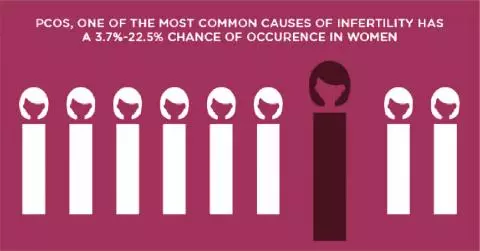
Does PCOS cause low libido?
PCOS may be associated with hormonal imbalance and low libido as a result of changes in endocrinology that affect reproductive health.
When should someone seek medical help?
A medical practitioner must consider the causes of desire, emotional distress, or sexual malfunction that do not get better over time.
Can low libido be treated?
Yes, treatment is based on determining causes of low libido, and it can involve lifestyle modification, counselling, or medical treatment.