 Self-cycleTM IVF



-
-
-
 Infertility Counselling
-
 Female Infertility Treatment
-
 Andrology Treatment
-
 Fertility Enhancing Surgeries - Female
-
 Fertility Enhancing Surgeries - Male
-
 Endoscopy Treatment
-
 IUI Treatment
-
 IVF Treatment
-
 ICSI Treatment
-
 Advance IVF Solutions
-
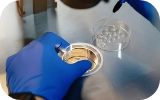 Embryology
-
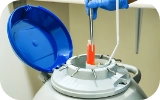 Vitrification Egg, Embryo, Sperm Freezing
-
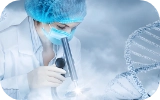 Preimplantation Genetic Testing (PGT)
-
 Donation Program Embryo / Egg / Sperm
-
 Self-cycleTM IVF
-
-
-
-
-
Redefining the Future of Thalassemia on World Thalassemia Day
Every year, between 10,000 and 15,000 babies are born in India with Thalassemia Major. While these numbers are staggering, the reality behind them is even more profound: Thalassemia is a preventable genetic disorder. This World Thalassemia Day, we look beyond the challenges of management toward a future defined by early screening, advanced reproductive genetics, and the medical milestones that are already saving lives across India.
The Burden of Thalassemia: More Than Just Anemia
Thalassemia is an inherited blood disorder that impairs the body's ability to produce normal hemoglobin—the protein in red blood cells that carries oxygen. While many carriers (Thalassemia Minor) appear completely healthy and often have near-normal hemoglobin levels, those born with Thalassemia Major face a rigorous and lifelong medical journey.
The impact of Thalassemia Major on a patient and their family includes:
- Lifelong Blood Transfusions: Patients often require blood transfusions every three to four weeks to maintain viable hemoglobin levels.
- Iron Chelation Therapy: Frequent transfusions lead to iron overload, necessitating lifelong chelation therapy to prevent organ damage.
- Physical and Emotional Toll: Constant medical intervention can cause significant fatigue and weakness, taking a toll on the child’s mental and emotional well-being.
- Carrier Risks: If both partners are carriers, there is a 25% chance their child will be born with Thalassemia Major.
Breaking the Cycle: Advanced Reproductive Breakthroughs
At Nova IVF Fertility, we are leveraging world-class technology to help families move from the "fear of the unknown" to informed, healthy pregnancies.
Prevention Through Persistence: The Story of Meera and Rajesh
Meera, and Rajesh, a couple from Bengaluru, had already experienced the profound emotional and physical trauma of losing a pregnancy. Despite having no family history of the disorder, a routine check-up during their first natural pregnancy revealed that both were carriers. Tragically, prenatal testing confirmed that the fetus was affected by Thalassemia Major, leading to a medically advised termination in the second trimester.
Determined to have a healthy child, they turned to Dr. Pallavi Prasad at Nova IVF Fertility, Bengaluru. Despite Meera's declining egg reserve, our specialists used Preimplantation Genetic Testing for Monogenic disorders (PGT-M). By screening embryos before transferring, we identified those free from Thalassemia Major. Today, Meera and Rajesh are the proud parents of healthy twins-a boy and a girl-both free from the condition.
The Indore Miracle: India's "Saviour Sibling"
In Indore, Manish and Sneha faced a different challenge. Their eight-year-old daughter, Kaira, had been transfusion-dependent since she was three months old. With no matching donor for a life-saving bone marrow transplant, they consulted Dr. Kalyani Shrimali, Clinical Director at Nova IVF Fertility, Indore, to explore the possibility of a "Saviour Sibling".
Through complex IVF cycles and HLA typing (Human Leukocyte Antigen matching), Dr. Shrimali and her team identified a single embryo that was both free of Thalassemia and a perfect 10/10 match for Kaira. In July 2023, baby Yuvika was born. By May 2025, she was able to provide the bone marrow needed for her sister’s transplant. Today, Kaira is transfusion-independent and living a normal childhood.
PGT-M: A New Standard in Preventive Healthcare
The success of these cases highlights the evolution of IVF from an infertility treatment to a sophisticated shield against hereditary diseases. Beyond Thalassemia, PGT-M can be used to detect:
- Spinal Muscular Atrophy (SMA)
- Sickle Cell Anaemia
- Haemophilia
Management and the Path to a Thalassemia-Free Future
While prevention is our ultimate goal, managing Thalassemia today has become more effective through integrated care. For those already living with the condition, management involves:
- Early Diagnosis: Routine workups for infertility now often include Thalassemia screening to identify "minor" status early.
- Clinical Excellence: Access to high-quality blood banks and iron management protocols allows patients to lead more active lives.
- Curative Options: Bone marrow transplants remain the primary curative hope when a matched donor is available, as seen in the Indore case.
With 120 centres across 70+ cities, Nova IVF Fertility is committed to making this future a reality for every Indian family. Thalassemia is preventable at the birth level through early identification and informed decision-making.
This World Thalassemia Day, we encourage all couples to take the first step: Get screened. A simple blood test can change the course of your family's future.
Related Fertility Blogs