 Self-cycleTM IVF


-
-
-
 Infertility Counselling
-
 Female Infertility Treatment
-
 Andrology Treatment
-
 Fertility Enhancing Surgeries - Female
-
 Fertility Enhancing Surgeries - Male
-
 Endoscopy Treatment
-
 IUI Treatment
-
 IVF Treatment
-
 ICSI Treatment
-
 Advance IVF Solutions
-
 Embryology
-
 Vitrification Egg, Embryo, Sperm Freezing
-
 Preimplantation Genetic Testing (PGT)
-
 Donation Program Embryo / Egg / Sperm
-
 Self-cycleTM IVF
-
-
-
-
-
How Does PCOD Affect Fertility? Causes, Ovulation, and Treatment

PCOD lowers fertility mainly by disrupting ovulation, the monthly release of a mature egg. The ovaries hold many immature follicles and produce excess androgens, so the body often fails to release one mature egg on time. Irregular or absent ovulation follows, making conception hard to time.
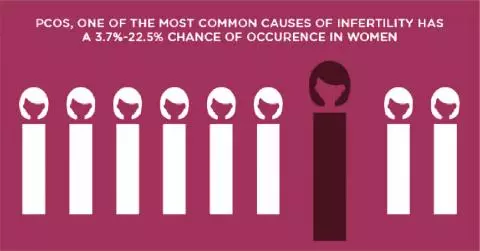
PCOD is also common in India. According to the ICMR PCOS National Task Force, PCOS affects about 7.2 to 19.6 percent of women aged 18 to 40, depending on the criteria used. A diagnosis can feel unsettling, yet most women with PCOD conceive, with or without treatment.
What Is PCOD, and How Common Is It in India?
PCOD, or polycystic ovarian disease, is a hormonal condition where the ovaries hold a high number of small, underdeveloped follicles. These follicles are visible on ultrasound as multiple fluid-filled sacs. The ovaries produce higher-than-usual levels of androgens, which are male-type hormones present in all women.
Prevalence varies with the diagnostic criteria and the population studied. The World Health Organization reports that PCOS affects an estimated 8 to 13 percent of women of reproductive age worldwide, with many cases undiagnosed. Indian studies report higher urban rates, which is why early testing matters.
Terminology causes confusion because PCOD and PCOS are used loosely. The difference between PCOD and PCOS reflects whether the pattern is a milder ovarian tendency or the fuller metabolic syndrome. A diagnosis is not a verdict on fertility, since ovulation can often be restored.
How Does PCOD Affect Fertility?
PCOD reduces fertility through several linked hormonal effects. Excess androgens and disordered signalling keep the ovary from releasing a healthy egg on a predictable schedule. The result reaches cycles, egg quality, and the ability of an embryo to implant.

Irregular or Absent Ovulation
The core problem is anovulation, when no egg is released in a cycle. Hormonal imbalance leaves the ovary unable to mature and rupture a dominant follicle on schedule. Ovulation may come late or not at all, which shifts or erases the fertile window each month.
Hormonal Imbalance and Egg Quality
Elevated androgens and a skewed LH to FSH ratio disturb how follicles grow. Follicles that develop under this imbalance can produce eggs of lower quality. Lower egg quality can reduce fertilisation rates and early embryo development, though many women with PCOD still produce healthy eggs.
Insulin Resistance and Fertility
Insulin resistance is common in PCOD. Published reviews report it in an estimated 50 to 70 percent of women with the condition. Excess insulin pushes the ovaries to make more androgens, which deepens the ovulation problem. Managing insulin, often through weight and diet changes, can restore more regular cycles.
Effect on the Uterine Lining
Irregular cycles also change the endometrium, the lining where an embryo implants. Without regular ovulation, the endometrial thickness can build up unevenly or stay too thin for implantation. A lining that is out of sync with the embryo lowers the chance that a fertilised egg will attach and grow.
Can You Still Get Pregnant With PCOD?
A PCOD diagnosis rarely rules out pregnancy. What matters more than the label is how reliably ovulation can be restored. Outcomes vary by individual, and treatment decisions belong in consultation with a reproductive medicine specialist. Several factors shape the individual outlook.
- Age matters, since egg quantity and quality decline through the thirties.
- Body weight influences insulin levels and the regularity of ovulation.
- The presence of other factors, such as blocked tubes or male-factor issues, changes the plan.
- How long the couple has been trying guides how quickly to act.
When ovulation induction does not lead to pregnancy, other options are considered. Intrauterine insemination (IUI) places prepared sperm directly into the uterus near ovulation. For blocked tubes, poor egg quality, or repeated failed cycles, in vitro fertilisation (IVF) fertilises the egg in the lab before an embryo transfer.
How Is PCOD Managed to Support Fertility?
On ultrasound, PCOD shows a large number of follicles, and this excess leaves the body unsure which egg to mature. Development runs late or stops, periods arrive irregularly, and the fertile window turns hard to track. Dr Nidhi Singh, a fertility specialist in Patna, treats this pattern often.
This is a manageable diagnosis, not a barrier to pregnancy for most women. Restoring regular ovulation is the first goal, and structured care at our ivf treatment centre in Patna or any Nova IVF Fertility centre combines cycle tracking, ovulation support, and lifestyle guidance. With the right timing, conception often follows without advanced treatment
Lifestyle and Weight Management
For women carrying extra weight, losing 5 to 10 percent of body weight can restore ovulation on its own. Balanced eating and regular activity lower insulin and androgen levels over time. Sustained weight management in PCOS often improves cycle regularity before any medication is needed.
Ovulation-Inducing Medication
When lifestyle changes are not enough, oral medication can prompt the ovaries to release an egg. Drugs such as letrozole or clomiphene citrate stimulate follicle growth in a monitored cycle. Response is tracked by ultrasound, and the dose is adjusted to encourage a single mature follicle.
When Should You See a Fertility Specialist?
Timing the first visit well can shorten the path to pregnancy. A first consultation reviews cycle history, an ultrasound, and simple hormone tests, with costs shared as an itemised estimate rather than a single package price. Earlier assessment usually means simpler, lower-cost treatment.
- Periods are irregular, very infrequent, or absent for several months.
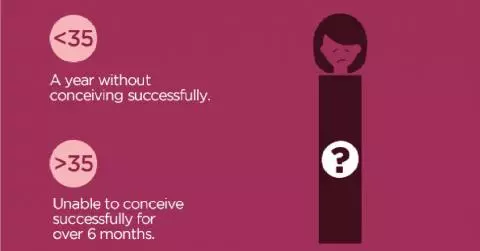
- Conception has not happened after 12 months of trying, or 6 months over age 35.
- A known PCOD or PCOS diagnosis exists alongside plans to conceive soon.
- Symptoms such as excess hair growth, acne, or weight gain are worsening.
Frequently Asked Questions
Does PCOD affect egg quality?
PCOD can lower egg quality in some cycles because follicles mature under hormonal imbalance. The effect varies widely between individuals and cycles. Many women with PCOD still produce healthy eggs and conceive, especially once ovulation is regulated.
Can PCOD be cured completely?
PCOD is managed rather than cured, since it reflects an underlying hormonal tendency. Symptoms and cycles can improve substantially with weight, diet, and medical support. For fertility, the practical goal is regular ovulation, which is often achievable.
How can I get pregnant with PCOD faster?
The fastest route usually starts with restoring ovulation and timing intercourse to it. Weight management, ovulation-inducing medication, and cycle monitoring together raise the monthly chance. When these steps do not work within a few cycles, a specialist can advise on IUI or IVF.
Can you be very fertile with PCOS?
Some women with PCOS conceive quickly and without any treatment. A high follicle count can even mean a strong response to fertility medication. Fertility with PCOS ranges widely, so an individual assessment matters more than the diagnosis alone.
Related Fertility Blogs