 Self-cycleTM IVF


-
-
-
 Infertility Counselling
-
 Female Infertility Treatment
-
 Andrology Treatment
-
 Fertility Enhancing Surgeries - Female
-
 Fertility Enhancing Surgeries - Male
-
 Endoscopy Treatment
-
 IUI Treatment
-
 IVF Treatment
-
 ICSI Treatment
-
 Advance IVF Solutions
-
 Embryology
-
 Vitrification Egg, Embryo, Sperm Freezing
-
 Preimplantation Genetic Testing (PGT)
-
 Donation Program Embryo / Egg / Sperm
-
 Self-cycleTM IVF
-
-
-
-
-
What Are the Common Symptoms of Infertility?
Infertility Indicators In Men And Women
Not getting pregnant despite trying is by definition the symptom of infertility. However infertility can also manifest itself in other ways. Whatever the symptoms associated with infertility, it can be the result of many different conditions. Here are the main indicators of possible infertility:
Associated Symptoms Of Infertility In Women:
1. Menstrual indicators: A woman’s menstrual cycle is a direct indicator of her ovulation. If her periods are abnormal with unusually heavy or light bleeding, or irregular with the number of days between periods varying each month, then there is a chance that a fertility-related disorder is present. Also, missed periods or periods that create a lot of pain and cramps are also possible symptoms of infertility in females.
2. Hormonal indicators: An irregularity in hormone production can also lead to infertility in women. The infertility symptoms in this case include visible changes on skin surface, such as the appearance of acne, or unusual hair growth on the upper lips, chin and chest which can be analyzed by infertility treatment. Weight gain or thinning of hair on scalp are other warning signs, as are depression and reduced libido.
3. Pain during intercourse: Pain during sex is also an indicator of the possible presence of abnormalities such as infections, endometriosis, non-cancerous tumors in the uterus or even diseases like Pelvic Inflammatory Disease (that causes damage to various parts of the female reproductive system), which is a major cause of infertility in women.
4. Abnormal discharge from nipples: The nipples might release an unusual milky discharge in some cases. This is another symptom of possible infertility.
Associated Symptoms Of Infertility In Men
1. Hormonal indicators: Imbalances in hormone production can lead to infertility and may be associated with other symptoms such as reduced hair growth, lowered libido and even abnormal growth of the breasts.
2. Ejaculatory problems: Men with infertility may show ejaculatory disorders such as erectile dysfunction, where they are unable to sustain an erection during sexual activity. Also, very small quantities of fluid may be ejected, if at all.
3. Abnormalities in testicular area: Any pain, swelling or lump in the testicles may be pointers of infertility. Testes that are small and firm may also be symptoms of infertility in male.
How Common Is Infertility?
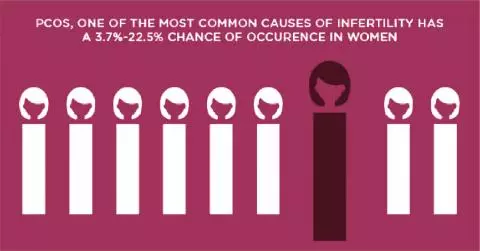
Infertility is seen far more often than people expect, and it is not limited to one gender. Some couples assume the problem is always in the woman, but in real clinical practice, fertility issues can be found in men as well. Many times, the only clue is simply that pregnancy does not happen even after months of trying, which is one of the most common signs of trouble getting pregnant.
Common signs of infertility in women may include irregular periods, missed cycles, unusually painful periods, or abnormal bleeding. Some may also notice hormonal imbalance symptoms, such as acne, hair thinning, or unwanted facial hair growth. In men, infertility can sometimes be suspected through low sperm count symptoms, reduced sexual drive, or ejaculation problems, although many men have no clear symptoms at all. In fact, infertility is often discovered only after proper medical testing.
What Are the Types of Infertility?
Doctors usually categorise infertility into the following types. The main differences are whether a pregnancy has occurred in the past and how long the couple has been trying.
Primary infertility:
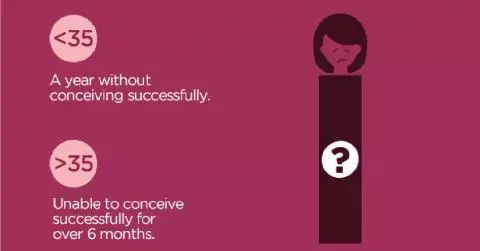
This is when pregnancy has never happened, even though the couple has been having regular, unprotected intercourse for one full year. If the woman is older than 35, doctors may start calling it infertility after six months. Primary infertility can be connected to ovulation problems, hormone-related conditions, or even sperm issues, such as low sperm count.
Secondary infertility:
A couple may have had a successful pregnancy earlier, but later find that pregnancy is not happening again. This can occur after years have passed, with age being one factor. It may also happen due to past pelvic infections, tubal scarring, uterine problems, or sperm changes that develop over time.
Unexplained infertility:
In some cases, standard fertility testing does not reveal a clear issue. Hormone reports, ultrasound findings, and semen analysis may all look normal, yet pregnancy still does not occur. Couples may still face common symptoms of infertility and trouble getting pregnant despite no confirmed diagnosis.
Male-factor infertility:
In this type, the main issue is on the male side. It may involve low sperm numbers, poor sperm movement, or difficulty with ejaculation. Some men notice male infertility symptoms, such as reduced libido or problems maintaining an erection, though many have no symptoms until testing is done.
Female-factor infertility:
This type is linked to conditions like ovulation disorders, blocked fallopian tubes, endometriosis, uterine fibroids, or hormone imbalance. In many women, these problems may be noticed through female infertility symptoms, such as irregular or changing menstrual cycles.
FAQs
Q1. What are the common symptoms of infertility?
The main symptom is not getting pregnant despite regular unprotected sex.
Q2. What are the common signs of infertility in women?
Irregular cycles, missed periods, painful periods, and hormonal changes are common signs.
Q3. Is irregular menstruation an infertility symptom?
Yes, irregular periods may indicate ovulation issues.
Q4. Can painful intercourse indicate infertility?
Yes, pain during sex may be linked to endometriosis, infections, or pelvic disorders.
Q5. What are the hormonal imbalance symptoms that infertility may cause?
Hormonal imbalance symptoms may include persistent acne, increased facial or body hair, thinning hair on the scalp, sudden weight gain, low sex drive, and mood-related changes.
Q6. What are low sperm count symptoms?
Often, symptoms of low sperm count are not noticeable. Some men may only experience mild signs like reduced libido, sexual performance issues, or occasional discomfort in the testicular area.
Q7. Can testicular swelling or pain be a symptom?
Yes. Pain, swelling, or lumps in the testicles can sometimes be linked to conditions that affect male fertility.
Q8. Do ovulation problems have symptoms?
Yes, irregular periods and unpredictable cycles are common ovulation problems symptoms.
Q9. Can infertility exist without symptoms?
Yes, many couples have infertility with no noticeable symptoms until conception does not occur.
Related Fertility Blogs