 Self-cycleTM IVF


-
-
-
 Infertility Counselling
-
 Female Infertility Treatment
-
 Andrology Treatment
-
 Fertility Enhancing Surgeries - Female
-
 Fertility Enhancing Surgeries - Male
-
 Endoscopy Treatment
-
 IUI Treatment
-
 IVF Treatment
-
 ICSI Treatment
-
 Advance IVF Solutions
-
 Embryology
-
 Vitrification Egg, Embryo, Sperm Freezing
-
 Preimplantation Genetic Testing (PGT)
-
 Donation Program Embryo / Egg / Sperm
-
 Self-cycleTM IVF
-
-
-
-
-
High Estrogen Symptoms in Women: How It Affects Fertility
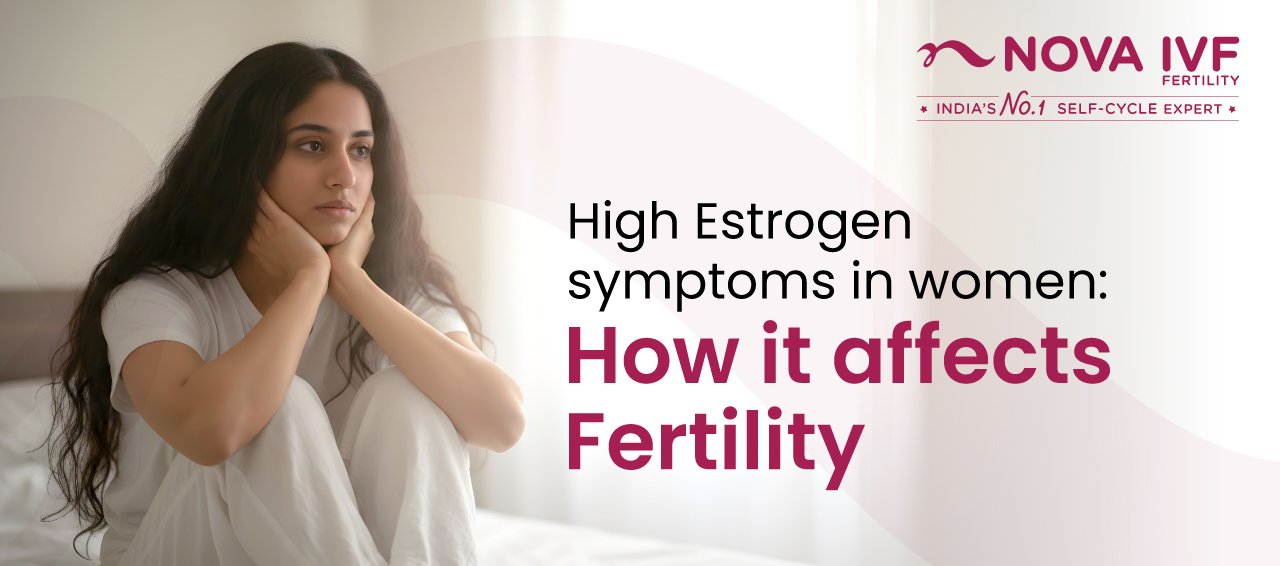
Estrogen plays a vital role in the functioning of the female reproductive system. Our body naturally maintains a balance between the estrogen and other reproductive hormones for its proper functioning. However, sometimes due to the biological and environmental factors, this balance gets disrupted. As an impact of these factors, the body produces too much estrogen, creating an imbalance, which causes a lot of health issues. This metabolic state where the body produces high amounts of estrogen is known as estrogen dominance. This article sheds light on everything you need to know about high estrogen levels in females.
Synopsis
Many women notice changes in their cycle, mood, and body without realising that hormones may be involved. Symptoms of high estrogen in females often happen when estrogen rises too much compared to progesterone, a situation commonly called estrogen dominance. Common high estrogen in women symptoms include breast tenderness, bloating, weight gain, heavy or irregular periods, mood swings, headaches, low sex drive, and fatigue. These are common high estrogen signs and can sometimes be linked to the hormonal imbalance women face due to stress, PCOS, thyroid issues, or lifestyle factors. In this blog, we explain the most common signs of high estrogen in women and how they may affect fertility.
What Is Estrogen?
Estrogen is a vital female sex hormone that is essential for maintaining several bodily functions. There are different types of estrogen in the body as well, including estrone, estradiol, and estriol. Estrone of E1 is the primary hormone produced by your body during and after menopause. Estradiol or E2 is the primary hormone produced during the reproductive years of a woman. Estriol or E3 is the primary hormone that is produced drying pregnancy.
Importance of Estrogen in Women
Estrogen, along with progesterone controls the menstrual cycle and the way the reproductive system functions. Poor reproductive health can be a sign of high estrogen in females. This hormone also regulates and contributes to certain other factors such as hunger, satiety, and more.
Estrogen is also responsible for influencing the secondary sexual characteristics such as the development of breast tissue among others. This hormone also has an impact on the bone density and cholesterol metabolism of a women. A drop in estrogen levels post-menopause is one of the most common reasons for osteoporosis in older women.
When this hormone goes out of balance and the level of estrogen increases, such a condition is known as estrogen dominance. If the estrogen is not in balance with the other reproductive hormones, such as progesterone, then it can cause multiple health issues.
Causes of high estrogen in women
There are a lot of factors that can lead to estrogen dominance. Let's discuss below some of the common causes of high estrogen in females:
1. Natural Causes
Puberty and pregnancy are some of the natural causes of high estrogen in women as during these events, estrogen levels in the body rise naturally. Additionally, the hormone levels in a woman’s body keep fluctuating throughout her menstrual cycle as well. Estrogen levels start declining with age and are at their lowest just before menopause.
2. Lifestyle Factors
High body fat
If someone is obese, they have a large amount of adipose tissue in their body, which secretes estrogen. Having a high amount of fat can cause high levels of estrogen in the body.
Stress
Due to stress, the pregnenolone hormone starts producing cortisol and other stress hormones instead of progesterone. This leads to a drop in progesterone levels and a consequent rise in estrogen levels.
Alcohol consumption
Excessive consumption of alcohol can inhibit the breaking down of estrogen in the body, which can lead to increased levels of estrogen in the body.
Lack of physical activity
Studies have found that lack of physical activity can cause the circulating estrogen levels in the body to rise.
3. Medical Conditions
Certain medical conditions, including polycystic ovary syndrome (PCOS), insulin resistance, endometrial or uterine cancer, tumours on the adrenal glands, breast cancer, and ovarian cancer also increase estrogen levels in the body. Certain type of cancers, increase the estrogen to such adverse levels, causing a lot of health issues and even worsening the cancer symptoms.
4. Synthetic xenoestrogens
There are numerous chemicals in our environment that act like estrogen upon entering the body. This can lead to an increase in the total estrogen levels in your body. Phthalates, parabens, benzophenones, and bisphenol A (BPA) are few examples of synthetic xenoestrogens. Most of the human-made cosmetic and personal care products have xenoestrogens that mimic estrogen and create an imbalance in the body.
Consuming fruits and vegetables without cleaning the insecticide or pesticide on them in a proper manner can interfere with one's hormonal balance. Also, the growth hormones injected into the poultry birds and raised animals can also affect the estrogen levels.
5. Medications
As a side-effect of using some antibiotic, herbal or natural remedies, the estrogen level in the body can increase. Certain other medication that can cause estrogen dominance includes oral birth contraceptives and phenothiazines, a group of medicines used for treating mental or emotional disorders. Additionally, hormone replacement therapy consists of medication that has synthetic estrogen, which increase the level of estrogen in one's body.
Symptoms of High Estrogen in Women
The signs and symptoms of high estrogen levels vary from person to person. Given below are some of the common high estrogen symptoms females usually experience:
1. Physical Symptoms
- Weight gain
- Swollen or tender breasts
- Fibrocystic breasts
- Irregular menstrual periods
- Heavy periods
- Severe headaches or migraines
2. Emotional and Psychological Symptoms
- Memory loss
- Mood swings or increased irritability
- Anxiety
- Depression
3. Other Symptoms
- Insomnia
- Sleepiness or fatigue
- Hair loss
- Cold hands or feet
- Decreased sex drive or reduced libido
Diagnosis and Testing of High Estrogen in Women
To understand the reasons for high estrogen in females your doctor may do the following:
1. Medical History and Physical Examination
Upon your visit to a gynaecologist or an andrologist, the doctor will ask you about your medical history, medications that you are taking, and take a note of your symptoms,
2. Laboratory Tests
Afterwards, they will likely recommend some blood tests to check estrogen levels in your body. Additional hormone tests may be suggested based on your symptoms.
3. Imaging Studies
If your doctor suspects that you may have a tumour on your ovaries, adrenal gland, or other places that may be the cause of your high estrogen levels, they will recommend ultrasounds, MRI, or CT scans.
Treatment of High Estrogen in Females
Below are some of the treatments for high estrogen in females:
1. Lifestyle Modifications
Consuming a healthy, balanced diet and exercising regularly in moderation is recommended for people who have a hormonal imbalance. Other stress management techniques, like yoga, meditation, and journaling to lower stress levels as it can negatively impact the estrogen levels in your body.
2. Medical Treatments
Medications used for certain treatment can affect the production of estrogen in our body. If one is undergoing hormone replacement therapy, then the estrogen hormone raises high in their body. In such cases, the doctor can change the hormone therapy plan so that you may regain a better hormonal balance. Similarly, the doctor may adjust your medication that helps in blocking the cancer cells from producing estrogen any further. In some cases, hormonal blockers may also be recommended as a high estrogen in women treatment.
3. Surgical Interventions
If one is affected by ovarian or breast cancer, then the estrogen level in their body remains high and worsens their health condition. In such a situation, the doctor may recommend an oophorectomy (a surgery to remove the ovaries) or hysterectomy in severe cases which could reduce the amount of estrogen in their body.
Prevention and Management of High Estrogen in Women
One should always consider these prevention techniques to maintain a proper estrogen balance along with medication.
1. Healthy Lifestyle Choices
Switching to a balanced diet that includes fruits, vegetables, conventional meat, and dairy products can help you manage the estrogen levels to a great extent. Cruciferous vegetables, mushrooms, flax seeds, red grapes, etc. are known to reduce the estrogen level in our body. By following an exercise regimen, you can lose unwanted fat from the body, which helps in preventing the release of estrogen by the adipose tissue. You are advised to avoid excessive consumption alcohol and smoking as they can worsen your hormonal imbalance.
2. Regular Medical Check-Ups
Routine checkups and screening tests can help detect the presence of a benign or cancerous tumour early on. This way, you have a chance to catch a potentially life-threatening condition in its early stages and control it. Regular checkups also help in monitoring hormone levels, which reflects your overall health condition as well.
3. Educational Resources
If you find yourself worrying about signs of high estrogen in women, it might help to learn about managing symptoms of the condition. Counselling or support groups may be able to help if you are feeling low and the diagnosis is affecting your mental well-being.
Here are some other things that you can do to prevent the signs of excess estrogen in women:
- Get rid of cosmetics and other personal care products that may contain xenoestrogens
- Steer clear of hormonal birth control options and discuss with your healthcare provider for a safe alternative
- Avoid storing food in plastic containers.
In Conclusion
The side-effects of high estrogen or estrogen dominance in one's body vary from person to person. To manage estrogen dominance, a doctor creates a treatment plan in accordance with the developed signs and symptoms. Hormonal balance can create troubles in your conception; if you have noticed any symptoms of high estrogen in women, consult a fertility specialist at Nova IVF Fertility near you. Our doctors can help you understand the root cause of the problem and suggest a suitable treatment of high estrogen in women.
Read About female fertility assessment at Nova IVF
FAQs
- What are the most common symptoms of high estrogen in females?
Common symptoms of high estrogen in females include breast tenderness, weight gain, bloating, heavy periods, irregular cycles, mood swings, headaches, and tiredness. - What are high estrogen symptoms in women that usually show up first?
For many women, the first high estrogen in women symptoms are breast heaviness, worsening PMS, mood changes, and heavier bleeding during periods. - Can estrogen dominance affect fertility?
Yes. Estrogen dominance can interfere with normal ovulation and make cycles unpredictable. This can create a fertility-related hormone imbalance in some women. - Are irregular or heavy periods signs of high estrogen in women?
They can be. Many signs of high estrogen in women show up as heavy bleeding or cycles that come too early or too late. - How is high estrogen confirmed?
Doctors usually confirm symptoms of high estrogen levels in females through hormone blood tests and by evaluating the menstrual pattern and related symptoms. - What can help reduce estrogen dominance?
In many women, estrogen dominance improves when the underlying trigger is corrected, such as weight gain, stress, poor sleep, or an untreated hormonal imbalance women commonly face, like PCOS or thyroid issues.