 Self-cycleTM IVF


-
-
-
 Infertility Counselling
-
 Female Infertility Treatment
-
 Andrology Treatment
-
 Fertility Enhancing Surgeries - Female
-
 Fertility Enhancing Surgeries - Male
-
 Endoscopy Treatment
-
 IUI Treatment
-
 IVF Treatment
-
 ICSI Treatment
-
 Advance IVF Solutions
-
 Embryology
-
 Vitrification Egg, Embryo, Sperm Freezing
-
 Preimplantation Genetic Testing (PGT)
-
 Donation Program Embryo / Egg / Sperm
-
 Self-cycleTM IVF
-
-
-
-
-
Uterine Fibroids and Pregnancy: What to Expect During Each Trimester
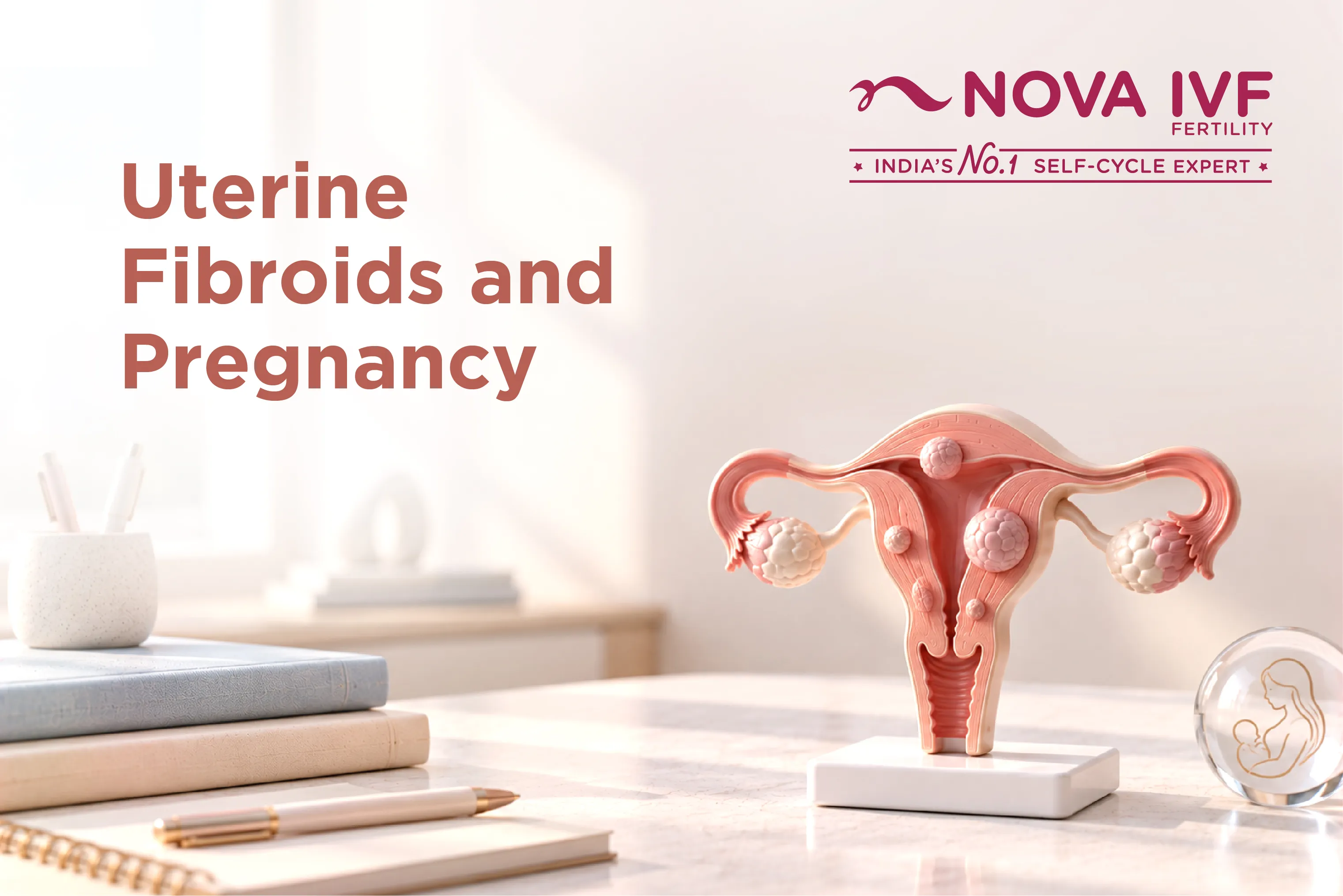
Pregnancy is a remarkable journey filled with anticipation, excitement, and many physical changes as your body nurtures a growing baby. Along the way, routine prenatal check-ups and ultrasound scans may sometimes reveal conditions that were previously unknown, including uterine fibroids. Although receiving this diagnosis can be worrying, it is important to remember that uterine fibroids are common, and many women with fibroids experience healthy pregnancies and deliver healthy babies.
Understanding how uterine fibroids and pregnancy can affect each trimester can help you recognise what to expect, when additional monitoring may be needed, and when to seek medical advice.
What are Uterine Fibroids?
Uterine fibroids are non-cancerous growths that develop in or on the muscular wall of the uterus. Many women are unaware they have fibroids until they are detected during a routine pelvic examination or pregnancy ultrasound. Although the presence of uterine fibroids during pregnancy can raise concerns, most pregnancies progress normally with appropriate prenatal care. The impact of fibroids depends on their size, number, and location within the uterus.
How Do Fibroids Affect Pregnancy?
Most women with uterine fibroids and pregnancy tend to have healthy babies. According to a 2026 FIGO special article published in the International Journal of Gynecology & Obstetrics, 70% to 90% of pregnancies involving uterine fibroids progress without major complications, while only 10% to 30% develop pregnancy, labour, or postpartum complications that require closer medical care.
Fibroids can affect pregnancy differently depending on their size and location. Submucosal or intracavitary fibroids, which grow into the uterine cavity, are more likely to affect embryo implantation and early pregnancy than fibroids located within or on the outer wall of the uterus.
As Dr. Neha Singh, an IVF Specialist at Gorakhpur, explains, cavity-facing fibroids can interfere with embryo attachment by altering the uterine environment. This is why careful assessment of the uterine cavity is an important part of fertility evaluation at the Gorakhpur fertility centre and across all Nova IVF Fertility clinics before conception.
Once pregnancy is established, the behaviour of uterine fibroids may change from one trimester to the next. Understanding these changes helps expectant mothers know what to expect and when additional monitoring may be needed.
First Trimester Progression: Hormonal Changes and Implantation Risks
During the first trimester, rising pregnancy hormones may cause some uterine fibroids to increase in size, although many remain unchanged. Larger fibroids are more likely to grow during early pregnancy, making regular prenatal monitoring important. Healthcare providers also assess whether the fibroids are close to the developing pregnancy or are likely to cause symptoms.
Submucosal Fibroids and Early Pregnancy Loss
Submucosal or intracavitary fibroids project into the uterine cavity, where they can interfere with embryo implantation and early placental development. These fibroids may alter the uterine lining and trigger localized uterine contractions, increasing the risk of early pregnancy loss compared with fibroids located within the uterine muscle or on the outer surface. Although this risk exists, many women with submucosal fibroids still have successful pregnancies with appropriate medical care.
Early Ultrasound Assessment
First-trimester ultrasound scans establish a baseline for monitoring both the pregnancy and the fibroids throughout gestation. Healthcare providers evaluate:
- Fibroid size to identify any early growth.
- Number of fibroids to determine whether single or multiple fibroids are present.
- Fibroid location to assess the relationship between the fibroid, the placenta, and the gestational sac.
This information helps obstetricians monitor changes during pregnancy and plan appropriate follow-up care when required.
Second Trimester Progression: Red Degeneration and Pelvic Pressure
During the second trimester, uterine fibroid growth usually slows as the uterus expands to accommodate the growing baby. However, some women may develop symptoms if a fibroid outgrows its blood supply or begins to compress nearby organs.
Red Degeneration
Red degeneration is one of the most common causes of fibroid-related pain during pregnancy. It occurs when a fibroid grows faster than its blood supply, causing temporary tissue breakdown within the fibroid. Although the condition can be painful, it is usually managed without surgery and often improves within one to two weeks.
Common symptoms include:
- Sharp, localized abdominal or pelvic pain.
- Tenderness over the fibroid.
- Low-grade fever.
- Nausea or vomiting.
Treatment typically includes rest, hydration, and pregnancy-safe pain relief under medical supervision.
Pelvic Pressure and Organ Displacement
As the uterus and baby continue to grow, larger fibroids may press against surrounding pelvic organs or occupy space within the uterus. Depending on their location, uterine fibroids may cause:
- Bladder pressure: Frequent urination or difficulty emptying the bladder.
- Bowel pressure: Constipation or a persistent feeling of pelvic heaviness.
- Placental monitoring: Ultrasonography examinations assess whether fibroids are close to the placenta or reduce the available space for normal fetal growth.
Third Trimester Progression: Labor Dynamics and Delivery Planning
During the third trimester, the primary focus for patients with uterine fibroids and pregnancy is preparing for a safe delivery. The size, number, and location of uterine fibroids help determine whether labour is likely to progress normally or whether additional monitoring or a Caesarean delivery may be recommended.
Risk of Preterm Labor
Large or multiple uterine fibroids may stretch the uterus or increase uterine irritability, raising the likelihood of contractions before 37 weeks of pregnancy. Although most women reach full term, healthcare providers monitor pregnancies with large fibroids more closely for signs of preterm labour.
Placental Complications
Fibroids located close to the placenta may increase the risk of certain placental complications, including:
- Placental abruption: Premature separation of the placenta from the uterine wall.
- Placenta previa: A low-lying placenta that partially or completely covers the cervix.
Regular ultrasound examinations help identify these conditions early and guide pregnancy management.
Planning a Safe Delivery
The position of a uterine fibroid may influence both the baby's position and the safest method of delivery. Obstetricians choose the safest delivery method based on late third-trimester ultrasound results:
- Vaginal delivery: Often possible when fibroids are small or located away from the cervix and birth canal.
- Caesarean delivery: May be recommended if large fibroids block the birth canal or if the baby remains in a breech or transverse position because of limited space within the uterus.
Postpartum Bleeding
Uterine fibroids and pregnancy may increase the risk of postpartum haemorrhage because they can reduce the uterus's ability to contract effectively after delivery. Obstetric teams monitor women with significant fibroids closely during and after childbirth so that excessive bleeding can be recognised and treated promptly.
How Are Uterine Fibroids Managed During Pregnancy?
Most uterine fibroid treatments do not require surgical procedures during pregnancy. Management focuses on relieving symptoms, monitoring fetal development, and identifying pregnancy complications early while allowing the pregnancy to progress safely.
- Safe Pain Relief: Healthcare providers prescribe pregnancy-safe pain medicine, adequate rest, and hydration to resolve pain from red degeneration.
- Regular Ultrasound Scans: Periodic ultrasound examinations track fetal growth, check fibroid size changes, measure amniotic fluid, and confirm placental position throughout pregnancy.
- Natural Postpartum Shrinkage: After childbirth, pregnancy hormone levels drop quickly. Reduced hormone stimulation and normal uterine healing cause many uterine fibroids to shrink naturally in the weeks following delivery.
Symptoms Requiring Immediate Medical Evaluation
While most pregnancies involving uterine fibroid symptoms progress safely, contact a healthcare provider immediately upon experiencing any of the following warning signs:
- Heavy vaginal bleeding or sudden fluid leaking.
- Severe or persistent abdominal or pelvic pain.
- Fever accompanied by abdominal tenderness.
- Clear decrease in fetal movements during late pregnancy.
- Regular contractions, severe back pain, or heavy pelvic pressure before week 37.
Conclusion
Receiving a diagnosis of uterine fibroids in pregnancy can bring uncertainty, but most pregnancies with fibroids progress safely to term. Modern prenatal care, routine ultrasound monitoring, and close coordination with healthcare providers allow clinical teams to track fibroid activity, manage discomfort effectively, and plan a safe delivery tailored to each individual.