 Self-cycleTM IVF



-
-
-
 Infertility Counselling
-
 Female Infertility Treatment
-
 Andrology Treatment
-
 Fertility Enhancing Surgeries - Female
-
 Fertility Enhancing Surgeries - Male
-
 Endoscopy Treatment
-
 IUI Treatment
-
 IVF Treatment
-
 ICSI Treatment
-
 Advance IVF Solutions
-
 Embryology
-
 Vitrification Egg, Embryo, Sperm Freezing
-
 Preimplantation Genetic Testing (PGT)
-
 Donation Program Embryo / Egg / Sperm
-
 Self-cycleTM IVF
-
-
-
-
-
What Are the Causes of Male Infertility? Key Factors to Consider
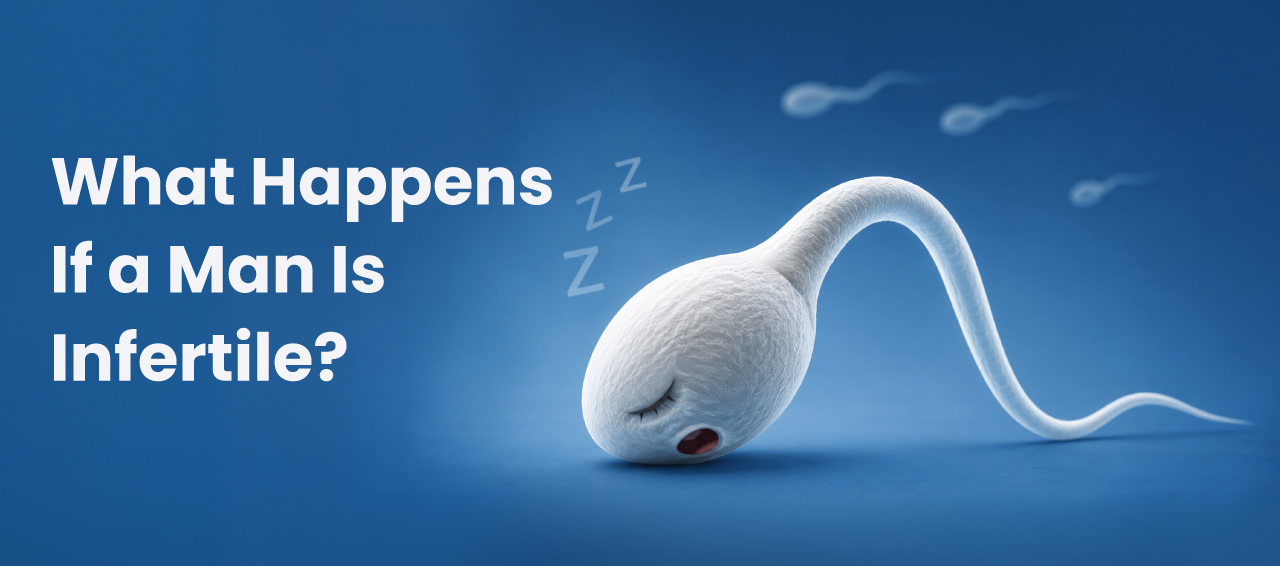
Infertility is a problem that affects one in five couples. Around 45% of infertility cases reported are attributed to male infertility. The inability of a man to cause pregnancy in a fertile female is called male infertility. It is a condition formed due to low sperm count, blockage or abnormal sperms. It is curable to an extent while in some cases fertilisation can be done with the help of assistive reproductive processes. One in twenty men tends to have low production of sperms while only one in hundred have no sperm production at all.
To cause successful fertilisation, there should be:
- Production of healthy sperm
- Successful transfer of sperm to semen
- High sperm count for better offs of fertilisation
- Movement of motility of sperms is important to ensure fertilisation
Causes of male infertility are varied and range from environmental causes, medical causes and lifestyle choices. Medical causes of male infertility are listed below:
- Varicocele: Swelling in the veins that drain the testicle is called varicocele. This is often attributed to high heat exposure of the sperms causing the unsuccessful production of healthy sperm.
- Infection: Infections can lead to inflammations which may result in the blockage of epididymis and testes.
- Ejaculation Issues: Improper ejaculation can cause infertility as well. Retrograde ejaculation is such a case where the semen is ejaculated into the bladder. Spinal cord injuries and similar damages can cause ejaculation issues as well.
- Tumors: Cancers and non-malignant tumors can affect fertility by impacting the hormone- producing pituitary glands.
- Undescended Testicles: Men with testicles that fail to descend from the abdomen into the scrotum are found to have low fertility.
- Hormone Imbalances: Disorder of the testicles or hormonal imbalances can cause infertility. Low testosterone levels can cause this.
- Defects of tubes that transport sperm or absence of vas deferens can cause failure of transfer or sperm cells from the testes.
- Chromosome Defects: Genetic defects in males such as chromosome mutation can cause infertility due to low or abnormal sperm production.
Related Blog: Understanding the Key Reasons for Male Infertility
Other Factors
Other medical causes include sexual intercourse related issues, medications and prior surgeries in certain cases.
Overexposure to heat, toxins, and chemicals can cause a lower sperm count. The environmental factors that contribute to male infertility are listed below:
- Exposure to industrial chemicals
- Heavy metal exposure
- Radiation or X-rays
- Overheating the testicles
When overexposure to these elements occurs, sperm count can be temporarily or permanently reduced. Overheating can be due to extended use of gadgets or frequent visits to the sauna. This heat disrupts the optimal temperature for sperm production and can result in loss of sperm cells and low production.
Explore a comprehensive male fertility test
Male infertility can also be caused due to lifestyle and other causes. Habits such as alcohol usage, drugs, smoking, and conditions such as stress, depression, and overweight can also cause male infertility. Avoiding these habits and lifestyle changes can help prevent infertility issues to an extent. Occupations that involve prolonged sitting such as welding and truck driving can also be a probable cause for male infertility.
Male infertility can contribute significantly to a couple’s difficulty in conceiving. According to Dr Apurva Satish Amarnath, Nova IVF, both partners should undergo evaluation rather than assuming infertility is a female concern. Male fertility issues may include erectile dysfunction, premature ejaculation or problems with sperm count, movement and quality. Conditions such as diabetes, high blood pressure and stress may also contribute to some sexual difficulties. A sperm evaluation can assess concentration, motility and quality, helping doctors understand the possible cause and plan appropriate treatment. Seeking medical advice early can help identify the underlying problem and determine suitable treatment options for the couple.
What Are the Signs of Unhealthy Sperm?
Early detection of male infertility causes depends on monitoring these key indicators of sperm health:
- Low sperm count: Fewer sperm significantly lower natural conception rates.
- Poor sperm motility: Weak movement prevents sperm from reaching the egg.
- Abnormal sperm shape: If sperm are the wrong shape, they cannot get through the egg's shell.
- Varicocele impact: Swollen veins in the scrotum can make things too hot, which kills sperm.
- Epididymis blockage: This is a blocked tube that prevents sperm from mixing with your semen.
- Retrograde ejaculation: This is when semen goes into your bladder instead of coming out.
- Testicular tumours: These growths can stop your body from making the right hormones and sperm.
- Hormone imbalance: Having low testosterone can make your body stop producing enough sperm.
- Vas deferens defects: These are blocked or missing tubes that carry the sperm out of the body.
If you have any of these problems, please go and see a doctor right away for a check-up.
Diagnosis and Tests for Male Infertility
If you're trying to figure out what causes male infertility, you need to stop guessing and start testing. Doctors usually go through this list:
- Semen analysis: Checks if the sperm are actually up to the task.
- Hormone testing: It ensures your testosterone isn't the cause of the low count.
- Scrotal ultrasound: A non-invasive way to rule out varicoceles or tumours.
- Genetic testing: Seeing if there’s a deeper reason for the challenges you’re facing.
- Post-ejaculation urinalysis: Finding out if your sperm are just taking a different route.
- Testicular biopsy: A small test to see if sperm are being made inside your body.
- Infection screening: Checking for any infections or swelling.
Finding the problem early helps the doctor choose the right treatment, like medicine or a minor surgical operations, to help you have a baby.
FAQs
1. What can cause male infertility most commonly?
Common causes include not having enough sperm, swollen veins in the groin, hormone problems, or simply not eating or living healthily.
2. Can male infertility be treated?
Yes. Many men get help through medicine, small operations, or by changing their habits to help their bodies work better.
3. Does age affect male fertility?
Yes. As men get older, their sperm can become slower and less healthy, which can make it harder to have a baby.
4. Can smoking or alcohol lead to infertility?
Yes. Regular use negatively impacts sperm count, movement, and hormonal balance.
5. Is low testosterone always linked to infertility?
It’s not a one-to-one rule, but because testosterone drives the whole process, a major drop may halt production.
6. How long should a couple try before testing?
Medical evaluation is advised after 1 year of unsuccessful attempts, or earlier if known risk factors or health concerns are present.
7. Can stress reduce fertility in men?
Absolutely. If you're constantly stressed, your hormones won't work properly, which means your sperm won't either.
8. Are lifestyle changes helpful?
Yes. Eating well, sleeping enough, and stopping smoking are great ways to make sperm healthier and help you have a baby.
9. Do environmental toxins affect sperm?
Yes. Being around too much heat, pollution, or strong chemicals can lower the number of sperm and how well they swim.
10. When is assisted reproduction needed?
It is considered when natural conception is unlikely, severe sperm problems exist, or previous treatments have not been successful.