 Self-cycleTM IVF


-
-
-
 Infertility Counselling
-
 Female Infertility Treatment
-
 Andrology Treatment
-
 Fertility Enhancing Surgeries - Female
-
 Fertility Enhancing Surgeries - Male
-
 Endoscopy Treatment
-
 IUI Treatment
-
 IVF Treatment
-
 ICSI Treatment
-
 Advance IVF Solutions
-
 Embryology
-
 Vitrification Egg, Embryo, Sperm Freezing
-
 Preimplantation Genetic Testing (PGT)
-
 Donation Program Embryo / Egg / Sperm
-
 Self-cycleTM IVF
-
-
-
-
-
First Month of Pregnancy Symptoms: Early Signs and When They Appear
The first month of pregnancy symptoms are usually mild, and many of them mirror an ordinary menstrual cycle. Tender breasts, low energy, and passing nausea can appear either way. When you are trying to conceive, it is natural to read meaning into each of these changes.
No single symptom confirms pregnancy on its own, because each one can also stem from a normal cycle. Only a test that detects the pregnancy hormone settles the question. That hormone, hCG, appears only after a fertilised egg implants, which is why reliable testing waits until around a missed menstrual period.
What Counts as the First Month of Pregnancy?
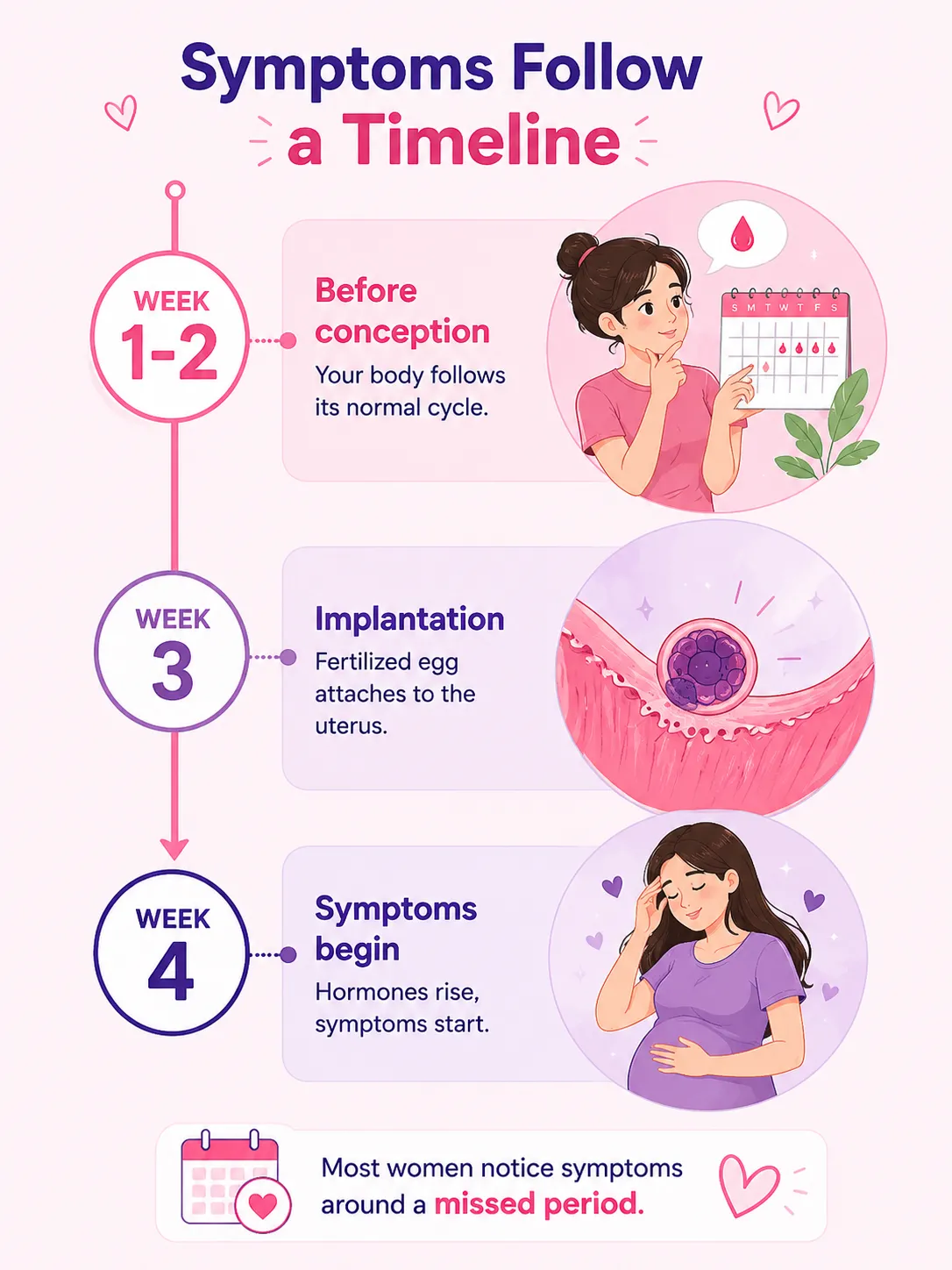
The first month of pregnancy is dated from the first day of your last period, not from conception. ACOG and FOGSI use this convention because most women can recall their period date, not their ovulation date. It means weeks 1 and 2 pass before an egg is even fertilised.
Conception usually happens around week 2 to 3, when sperm meets a released egg. For many women, the fertilised egg implants in the uterine lining in the days after ovulation, usually around week 3. Only after implantation does the body start producing the pregnancy hormone that early signs depend on.
This is why genuine early signs of pregnancy tend to cluster near the end of the first month. Before implantation, hormone levels have not shifted enough to cause first month of pregnancy symptoms. Most women who notice something, do so around their missed period.
How Early Pregnancy Signs Develop Week by Week
Early signs of pregnancy do not arrive all at once. They follow the hormone timeline set by ovulation and implantation. Because hCG roughly doubles every 48 to 72 hours after implantation, symptoms tend to strengthen week by week rather than appear fully formed.
Weeks 1 to 2: before conception
In weeks 1 and 2 there is no embryo and no hCG, so pregnancy symptoms cannot occur yet. Any sensations during this window reflect the normal menstrual and ovulation cycle. Claims of dramatic symptoms within 72 hours of intercourse are not biologically supported.
Week 3: implantation and the earliest changes
Around week 3, the fertilised egg implants and hCG production begins. A small number of women notice light implantation spotting or mild cramping. Most feel nothing distinguishable from an ordinary cycle, which is entirely normal.
Week 4: around the missed period
Week 4 is when most very early signs of pregnancy tend to surface. hCG has usually risen enough for a sensitive home test to register, and a missed period becomes apparent. Breast tenderness, fatigue, and nausea commonly begin as hormone levels climb.
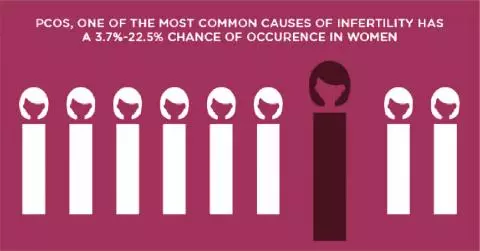
Irregular cycles make a missed period harder to read, which is common with polycystic ovary syndrome. PCOS affects roughly 1 in 5 women of reproductive age by some Indian estimates, though prevalence varies widely by diagnostic criteria. Structured PCOS evaluation and care can map these cycle patterns.
Most Common Signs of Pregnancy in the First Month
The most common signs of pregnancy in the first month track a steep rise in two hormones. The first is human chorionic gonadotropin (hCG), produced after implantation, which home tests detect. The second is progesterone, which helps hold the uterine lining stable and drives several of the symptoms below.
The signs women report most often in the first month include the following:
- A missed period is the most common and most noticeable first sign, especially with a regular menstrual cycle, per NHS and ACOG guidance.
- Tender, swollen, or tingling breasts develop as rising estrogen and progesterone increase blood flow to breast tissue.
- Nausea with or without vomiting, often called morning sickness, affects roughly 70 to 80 percent of pregnant women per ACOG, at any time of day.
- Unusual fatigue sets in because high progesterone has a sedating effect and slows the body's metabolism.
- Frequent urination begins as blood volume rises and the kidneys filter more fluid, before the uterus is large enough to press the bladder.
- Light spotting, known as implantation bleeding, occurs in some women as the embryo embeds, though most pregnancies have no spotting at all.
- Mood changes, mild cramping, bloating, food cravings or aversions, and a heightened sense of smell all stem from the same hormonal shift.
No single symptom on this list confirms pregnancy, and symptom checklists that promise certainty in week one overpromise. This content is for informational purposes and does not substitute medical advice; individual situations vary. Many women experience only two or three of these signs, and some experience none.
Early Pregnancy Symptoms or PMS: How to Tell the Difference
Early pregnancy and the premenstrual phase share the same hormone, progesterone, so the symptom overlap is wide. This is a common reason first-month symptoms are misread in both directions. The key difference is hCG, which rises only in pregnancy and produces nausea and lasting fatigue that PMS rarely causes.
| Sign | Premenstrual (PMS) | Early pregnancy |
|---|---|---|
| Breast changes | Tender, ease after period starts | Tender, often persist and intensify |
| Cramping | Comes before bleeding | Mild, may occur near implantation |
| Bleeding | Full period flow | Light spotting in some, or none |
| Fatigue | Mild, short-lived | Often pronounced, lasting |
| Nausea | Uncommon | Common, any time of day |
| Food and smell | Mild cravings | Strong aversions, heightened smell |
No single symptom reliably separates the two on its own. This overlap is one reason a pregnancy can go unnoticed for weeks, particularly with irregular cycles. When cycles are irregular, an ovulation calculator and a dated test carry more weight than tracking symptoms.
What to Expect Through the Rest of the First Trimester
The first month is only the start of the first trimester, which runs to about week 13. First trimester symptoms rarely hold steady from one week to the next. Rising hCG drives these symptoms, which tend to intensify until the placenta takes over hormone production near week 12:
- Nausea usually shows up around week 6, peaks near week 9, and settles for most women by week 12 to 14, going by ACOG and NHS guidance.
- The early tiredness often lifts once the second trimester starts and the placenta takes over making hormones.
- Sore breasts, extra bathroom trips, and shifting food cravings tend to stick around, rising and falling without much warning.
- Non-stop vomiting that stops you keeping food or water down is a different problem, called hyperemesis gravidarum, and is worth a doctor's review rather than waiting it out.
How to Confirm Pregnancy in the First Month
The first month of pregnancy symptoms merely suggests a foreseeable outcome, but only a test can confirm a case at hand. A home urine pregnancy test detects hCG and is most accurate from the first day of a missed period, when hormone levels are high enough to register. Testing earlier raises the chance of a false negative.
For confirmation and dating, the reliable steps are straightforward:
- Take a home urine test on or after the day your period is due, using first-morning urine for the highest hCG concentration.
- Repeat the test after 2 to 3 days if the first is negative but your period has still not arrived, since testing too early can give a false negative.
- See a gynaecologist for a blood beta-hCG test, which quantifies the hormone, and an early ultrasound to confirm and date the pregnancy.
A widely shared method called the two finger test, which involves feeling the cervix for changes in position or firmness, is not a validated way to confirm pregnancy. Cervical changes are subtle and vary between individuals, and self-examination carries an avoidable infection risk.
When to See a Doctor in Early Pregnancy
Most early pregnancy symptoms are expected and need no intervention. A smaller set of signs warrants prompt medical attention because they can indicate a complication. Recognising them early protects both the patient and the pregnancy.
Contact a gynaecologist or your nearest emergency service if you experience any of the following:
- Heavy vaginal bleeding, or bleeding accompanied by severe pain, which needs same-day assessment.
- Sharp or severe pain on one side of the lower abdomen, which can signal an ectopic pregnancy and is an emergency.
- Persistent vomiting that prevents you from keeping fluids down, a possible sign of hyperemesis gravidarum.
- A high fever, fainting, or severe dizziness during early pregnancy.
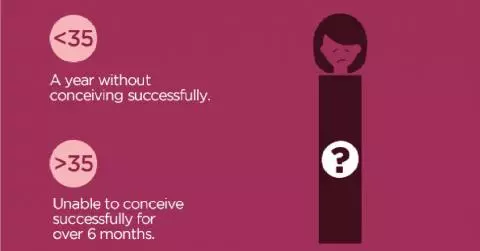
Tracking symptoms differs from a structured fertility evaluation. The ASRM 2021 committee opinion advises evaluation after 12 months of trying, or after 6 months when the woman is 35 or older. A female infertility assessment can begin earlier when there is a known issue such as PCOS.
Frequently Asked Questions
How do I know if I am one month pregnant?
The clearest first-month indicator is a missed period in a woman with a regular cycle. It often arrives alongside breast tenderness, fatigue, or early nausea. A home urine test taken on or after the missed period, then confirmed by a gynaecologist, is how you actually know.
Can you tell if you are pregnant in the first month?
Sometimes, but not by symptoms alone. Some women notice early signs of pregnancy in the first month, while others feel nothing at all. A test that detects hCG is the only reliable way to tell within the first month.
What is the 5-3-1 rule in pregnancy?
This refers to a labour-timing guideline, more commonly known as the 5-1-1 rule, and it relates to late pregnancy. It describes contractions 5 minutes apart, lasting 1 minute, for 1 hour, the cue to head to hospital. It has no bearing on first-month symptoms or on confirming early pregnancy.
How do I feel at one month pregnant?
Many women feel much as they do before a period, with tender breasts, mild cramping, and shifting mood. Others begin to notice nausea, frequent urination, or a sharper sense of smell toward week 4. Many women feel no different at all.
Can you have pregnancy symptoms in the first week?
Genuine pregnancy symptoms in the very first week are not biologically expected. Conception and implantation have not occurred that early, and hCG only appears after implantation. For most women, that places the earliest true signs in week 3 or later.
Related Fertility Blogs