 Self-cycleTM IVF


-
-
-
 Infertility Counselling
-
 Female Infertility Treatment
-
 Andrology Treatment
-
 Fertility Enhancing Surgeries - Female
-
 Fertility Enhancing Surgeries - Male
-
 Endoscopy Treatment
-
 IUI Treatment
-
 IVF Treatment
-
 ICSI Treatment
-
 Advance IVF Solutions
-
 Embryology
-
 Vitrification Egg, Embryo, Sperm Freezing
-
 Preimplantation Genetic Testing (PGT)
-
 Donation Program Embryo / Egg / Sperm
-
 Self-cycleTM IVF
-
-
-
-
-
How Does a Woman Know If She Is Infertile? Signs Explained
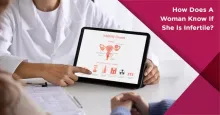
Infertility is a common issue that affects couples around the world and there are a number of signs and symptoms that point towards infertility. It is important to note that there are cases where none of these signs are present and the presence of these signs do not always result in infertility. To know if you are infertile, here are a few signs to watch out for:
Irregular Periods
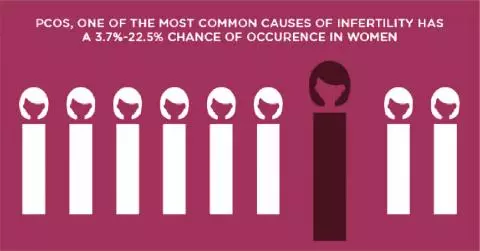
A slight variation in the length of a menstrual cycle is normal. However, if you cannot estimate the date of your next period, it could be a problem. Irregular periods are often caused by hormone fluctuations or by polycystic ovarian syndrome (PCOS). Both these conditions could cause infertility.
Absence of Periods
If you suddenly stop having periods, it could be a sign that you are not ovulating. This is one of the most obvious signs of infertility.
Painful Periods
How does Male Age Matters For Your Fertility?Extreme pain in the pelvic area, backaches, and cramps during your period could be a sign of infertility if the pain is caused by endometriosis.
Heavier than Normal Bleeding
Heavier than normal bleeding is often a sign of health issues that cause infertility. This may be caused by a number of factors of which hormonal imbalances are the most common. In such cases, the menstrual cycle occurs without ovulation.
Hormone Fluctuations
Female infertility is often caused by hormone problems. Signs of hormone trouble include acne, thinning hair on the scalp, unexplained weight loss or weight gain, growth of facial hair and changes in sex drive.
Painful Sexual Intercourse,
If you experience pain during sexual intercourse, you may want to check if you are an infertile woman. Pain could result from temporary vaginal dryness and infections or more serious conditions such as STDs, endometriosis or pelvic inflammatory disease.
What Are Risk Factors for Infertility?
Many things can make it harder for a woman to get pregnant. While age is the factor we can't change, there are plenty of others we can manage. Conditions like PCOS, endometriosis, and thyroid disease are common hurdles. Your lifestyle is also a major player. Weight, smoking, and stress levels genuinely matter for your hormone balance. We also can't ignore environmental toxins or the impact of long-term medications. Chronic health issues like diabetes or autoimmune problems only add to the challenge. If you have a history of irregular periods or pelvic surgery, you need to be aware of the extra risks. The point of knowing this isn't to worry you, but to get you to act. Recognising these issues early leads to a faster diagnosis and better treatment, giving you a much better chance of a healthy pregnancy.
Learn More About Nova IVF's infertility treatments
How Does Age Impact Female Infertility?
Age is the most important thing for a woman's fertility. You’re born with a finite number of eggs, and they don't get better with age. Once you hit 35, the decline in both quantity and quality is real, leading to higher risks of pregnancy complications. Your hormones also start to lose their punch, which can mess with your cycle. It’s at this point that the question usually pops up: how does a woman know she is infertile? By your early 40s, the chances of a natural pregnancy are slim. The best move is to face the facts early. Get a medical check-up, consider egg freezing if you're not ready yet, and learn how to assess female fertility. Being realistic now saves a lot of stress later and helps you achieve a healthy pregnancy.
Related Blog: Couples Guide To Dealing With Infertility Treatment
Diagnosis and Tests
If you want to know how does a woman know if she’s infertile, you need to stop the guesswork and get these standard tests done:
- Medical history and tracking – A basic review of your cycle and health history.
- Hormone blood tests – Checking your blood to see if your hormones are normal.
- Ultrasound imaging – Taking a look inside at your womb and ovaries.
- Ovulation testing – Finding out if your eggs are being released properly.
- Fallopian tube evaluation – Making sure the tubes aren't blocked or damaged.
- Ovarian reserve testing – Getting an honest count of your remaining eggs.
Read About comprehensive fertility testing for men and women
FAQs
1. How can a woman tell if she is infertile?
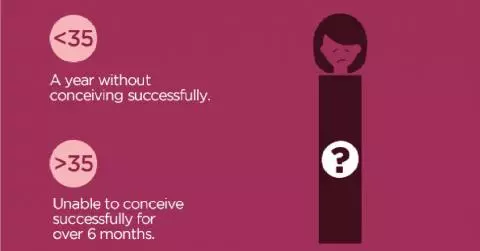
Persistent irregular cycles, absent ovulation, or failure to conceive (get pregnant) after a year of unprotected and regular intercourse may signal a fertility problem and should prompt medical evaluation.
2. How can a woman know she is infertile without symptoms?
Only proper medical testing and clinical assessment can confirm infertility in women who do not show visible signs or menstrual changes.
3. How does a woman know if she’s fertile?
If menstrual cycles are regular and ovulation occurs consistently, fertility is generally considered normal.
4. When should I see a doctor for difficulty getting pregnant?
After 12 months of trying, or 6 months if over age 35, or sooner if cycles are highly irregular or painful.
5. Are irregular periods always infertility?
No, but they increase the risk of ovulation problems and should always be medically evaluated.
6. Can infertility be treated?
Yes. Management options include lifestyle changes, medication, and assisted reproductive techniques.
7. Do lifestyle habits affect fertility?
Certainly. Smoking, alcohol, and stress aren't doing your hormones any favours. Weight also plays a massive role.
8. Are fertility tests painful?
Usually not. You’re mostly looking at blood work and ultrasounds, which are more boring than they are painful.
9. Is age the biggest fertility factor?
Yes. It’s an unavoidable fact that egg quality and quantity drop as you get older.
10. Can early testing improve pregnancy chances?
Yes. It’s better to know what you’re dealing with now so you can plan effectively for a baby.
Related Fertility Blogs