 Self-cycleTM IVF


-
-
-
 Infertility Counselling
-
 Female Infertility Treatment
-
 Andrology Treatment
-
 Fertility Enhancing Surgeries - Female
-
 Fertility Enhancing Surgeries - Male
-
 Endoscopy Treatment
-
 IUI Treatment
-
 IVF Treatment
-
 ICSI Treatment
-
 Advance IVF Solutions
-
 Embryology
-
 Vitrification Egg, Embryo, Sperm Freezing
-
 Preimplantation Genetic Testing (PGT)
-
 Donation Program Embryo / Egg / Sperm
-
 Self-cycleTM IVF
-
-
-
-
-
ICSI Treatment in Mumbai: Who May Need It, Cost Factors & What to Expect
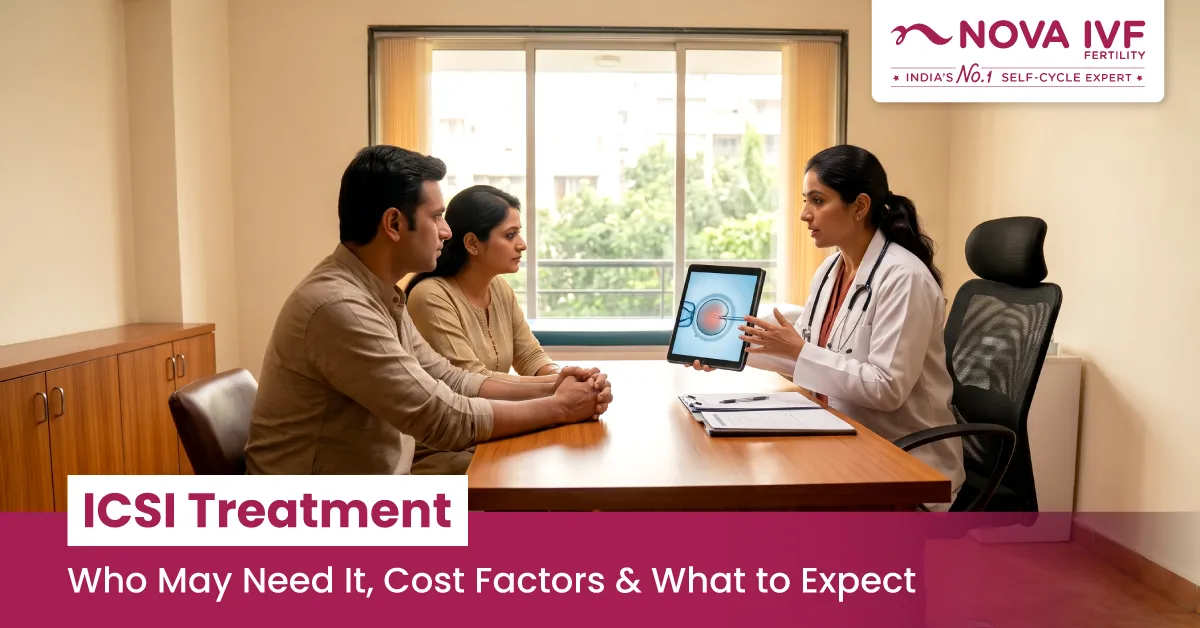
For many couples trying to conceive, the fertility journey can feel overwhelming, especially when natural conception does not occur as expected. In cases where conventional IVF may not offer the desired outcome, fertility specialists may recommend ICSI treatment as an advanced assisted reproductive technique.
ICSI (Intracytoplasmic Sperm Injection) is a specialised fertility procedure that can improve the chances of fertilisation, particularly in cases involving male-factor infertility. For couples considering ICSI treatment in Mumbai, understanding who may benefit from the procedure, what to expect during the treatment journey, and the factors that can influence the overall cost can help them make informed decisions. This guide also explains the ICSI procedure in Mumbai, key cost considerations, and factors that may influence treatment outcomes.
What ICSI Is and How It Differs From Standard IVF (ICSI vs IVF)
While both procedures fall under the umbrella term of assisted reproductive techniques, the fertilisation process differs between IVF and ICSI.
The Core Difference: Microinjection vs. Natural Fertilisation
In conventional IVF, sperm and eggs are placed together in a laboratory dish, allowing fertilisation to occur naturally when a sperm successfully penetrates the egg.
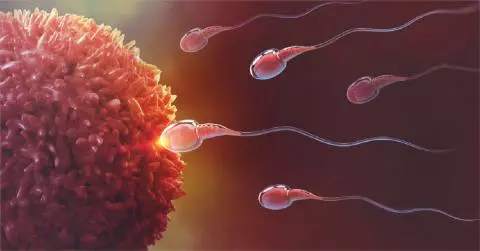
In ICSI, however, an embryologist carefully selects a healthy sperm and injects it directly into the egg using specialised microscopic equipment. This technique is often recommended when there are factors that may reduce the chances of natural fertilisation during IVF, such as low sperm count, poor sperm motility, or previous fertilisation failure.
When ICSI Becomes the Recommended Path
Couples considering ICSI treatment in Mumbai may be advised to undergo the procedure when there are concerns about sperm quality or when the likelihood of successful fertilisation through conventional IVF is reduced.
However, ICSI is not routinely recommended for every assisted reproduction cycle. The decision is made after a thorough evaluation of the couple's fertility health, medical history, and specific reproductive needs.
Who May Actually Need ICSI Treatment
Not every fertility patient may need ICSI. The procedure is usually reserved for specific fertility conditions where direct sperm injection may improve fertilisation outcomes.
Male Factor Infertility Indicators
Male factor infertility is one of the most common reasons fertility specialists recommend ICSI. As an advanced form of male infertility treatment in Mumbai, ICSI may be considered in cases such as:
- Low sperm count
- Reduced sperm motility (movement)
- Abnormal sperm morphology (shape)
- Surgically retrieved sperm
By directly injecting a selected sperm into the egg, ICSI can help overcome these challenges and improve the chances of successful fertilisation.
Previous IVF Fertilisation Failures
ICSI may also be recommended for couples who have experienced failed fertilisation in a previous IVF cycle. In cases where eggs did not fertilise successfully despite conventional IVF, ICSI can help improve the chances of fertilisation in subsequent treatment cycles.
Cases Where ICSI Is Used Despite Normal Semen Analysis
ICSI may be recommended for reasons beyond male factor infertility. Common situations where fertility specialists may consider ICSI include:
- A low number of eggs available for fertilisation
- The use of frozen eggs
- Planned genetic testing of embryos
- Unexplained infertility
The decision to use ICSI is based on a comprehensive assessment of the couple's fertility health and treatment requirements, rather than sperm parameters alone.
Understanding ICSI Costs in Mumbai: What Drives the Price
The cost of ICSI treatment in Mumbai typically starts from ₹1,50,000, although the final expense can vary depending on the fertility centre, treatment plan, medications, and any additional procedures required. When researching ICSI cost in Mumbai, it is important to understand the various factors that contribute to the overall treatment cost.
In general, fertility treatments in Tier I cities such as Mumbai tend to be more expensive than those in Tier II and Tier III cities due to higher operational costs, advanced laboratory infrastructure, and access to specialised fertility services.
Base Procedure Costs vs. Add-Ons
The base treatment package generally includes:
- Monitoring appointments
- Egg retrieval procedure
- ICSI laboratory fertilisation procedure
- Embryo culture
- Embryo transfer
Additional services may increase the overall cost. These can include embryo freezing and storage, genetic testing of embryos, donor programmes, or fertility preservation services.
Medication and Stimulation Expenses
Fertility medications are a significant component of ICSI treatment costs. The type, dosage, and duration of medication can vary from one patient to another based on individual treatment requirements.
Lab Infrastructure and Embryologist Expertise
ICSI is a highly specialised laboratory procedure that requires advanced equipment, carefully controlled laboratory conditions, and experienced embryologists. The quality of the laboratory infrastructure and the expertise of the clinical team can influence both the treatment process and the overall cost.
How Mumbai Pricing Compares to Other Indian Metro Cities
The cost of ICSI treatment in Mumbai is generally comparable to that in other major metropolitan cities in India. However, pricing may vary between fertility centres based on factors such as laboratory facilities, treatment protocols, clinical expertise, and the range of services included in the treatment package.
What to Expect During the ICSI Journey
Understanding the stages involved in ICSI treatment in Mumbai can help couples feel more informed and prepared for the process. While treatment plans may vary based on individual fertility needs, the key ICSI steps remain largely similar across fertility centres.
The Step-by-Step Timeline
While treatment plans may vary based on individual fertility needs, an ICSI cycle typically involves the following stages:
- Fertility evaluation
- Ovarian stimulation
- Egg retrieval
- Sperm collection
- ICSI fertilisation
- Embryo development
- Embryo transfer
- Pregnancy testing
The complete treatment cycle generally spans several weeks, depending on the patient's response to treatment and clinical recommendations.
Ovarian Stimulation and Egg Retrieval
The treatment process begins with fertility medications that stimulate the ovaries to produce multiple eggs. Progress is monitored through ultrasound scans and blood tests. Once the eggs reach the desired stage of development, they are collected through a minimally invasive procedure known as egg retrieval.
Sperm Selection and Microinjection Process
Following sperm collection, embryologists identify and select healthy sperm for fertilisation. Using specialised microscopic equipment, a single sperm is carefully injected directly into each mature egg. This step is the defining feature of the ICSI procedure and is designed to facilitate fertilisation.
Embryo Culture and Transfer
After fertilisation, the resulting embryos are cultured and monitored in the laboratory for several days. Based on their development, one or more suitable embryos may be transferred into the uterus. Additional viable embryos may be frozen for future use, depending on the treatment plan and clinical recommendations.
Success Rates and Key Factors That Influence Outcomes
Several factors can influence the success of ICSI treatment. While outcomes vary from one couple to another, certain clinical and laboratory factors play a particularly important role in determining treatment success. When reviewing ICSI success rates in Mumbai, it is important to consider factors such as age, egg quality, sperm quality, and laboratory standards.
Age-Related Success Data
Female age remains one of the most important factors influencing ICSI outcomes. Younger women generally have a higher likelihood of producing healthy eggs and viable embryos. As age advances, egg quality and quantity typically decline, which may affect fertilisation, embryo development, and pregnancy outcomes.
Sperm Quality Parameters That Matter
Although ICSI can help overcome many sperm-related challenges, sperm quality still plays an important role in treatment outcomes. Factors such as:
- Sperm count
- Sperm motility
- Sperm morphology
- Sperm DNA integrity
may influence fertilisation rates and embryo development.
Why Lab Quality in Mumbai Centres Matters
The laboratory is a critical component of the ICSI treatment process. Advanced embryo culture systems, stringent quality control measures, and the expertise of embryologists can all contribute to successful treatment outcomes. When evaluating an ICSI centre in Mumbai, couples often consider laboratory standards and clinical expertise together.
Potential Risks and Limitations
Like all fertility treatments, ICSI offers potential benefits as well as certain limitations. Understanding these considerations can help couples develop realistic expectations about the treatment process and its possible outcomes.
Fertilisation Failure Still Possible
Although ICSI is designed to improve the chances of fertilisation, successful fertilisation cannot be guaranteed. In some cases, eggs may not fertilise despite the procedure being performed.
Embryo Quality Concerns
Fertilisation is only one step in the treatment journey. Not all fertilised eggs develop into healthy embryos suitable for transfer. Factors such as egg quality, sperm quality, and embryo development can influence treatment outcomes.
Multiple Pregnancy Considerations
The likelihood of a multiple pregnancy is primarily influenced by the number of embryos transferred during treatment. To minimise this risk while maintaining favourable outcomes, many fertility centres follow carefully developed embryo transfer protocols.
Conclusion
ICSI treatment in Mumbai can be an effective fertility treatment option for couples facing challenges such as male factor infertility, previous fertilisation failure, or specific clinical indications. Understanding who may benefit from ICSI, the factors that influence ICSI cost in Mumbai, and the steps involved in the treatment process can help couples make informed decisions about their fertility journey.
At Nova IVF Fertility, ICSI treatment is supported by experienced fertility specialists, skilled embryologists, and advanced laboratory facilities. Couples looking for a trusted fertility centre can benefit from personalised treatment planning, comprehensive fertility care, and access to modern reproductive technologies when exploring options for the best ICSI clinic in Mumbai.
Related Fertility Blogs