 Self-cycleTM IVF



-
-
-
 Infertility Counselling
-
 Female Infertility Treatment
-
 Andrology Treatment
-
 Fertility Enhancing Surgeries - Female
-
 Fertility Enhancing Surgeries - Male
-
 Endoscopy Treatment
-
 IUI Treatment
-
 IVF Treatment
-
 ICSI Treatment
-
 Advance IVF Solutions
-
 Embryology
-
 Vitrification Egg, Embryo, Sperm Freezing
-
 Preimplantation Genetic Testing (PGT)
-
 Donation Program Embryo / Egg / Sperm
-
 Self-cycleTM IVF
-
-
-
-
-
Common Causes of Infertility in Women: An Overview

Almost all women dream of having a child of their own one day. However, realising this dream is difficult for some women. Infertility is defined as the inability to conceive despite having unprotected sexual intercourse for over one year. It is a common issue and can be treated in many cases. There are many causes of infertility in women. They can be broadly classified as ovulation disorders, and structural defects that may include tubal factors ,uterine factors.
According to Dr Manisha Jain, IVF Specialist at Nova IVF, Chandigarh, female fertility depends on the health of the ovaries, fallopian tubes, vagina and uterus. The fallopian tubes play an important role in picking up the egg and moving it towards the uterus. Fertilisation also takes place within the fallopian tubes. To identify possible fertility concerns, doctors may recommend blood tests, ultrasounds and tests to assess the fallopian tubes. These tests help check whether the tubes are clear and identify other concerns that may affect conception. Dr Jain also highlights that modern tube-testing techniques are less uncomfortable than many people expect and can help address fertility issues.
Ovulation Disorders
Ovulation disorders are the most common causes of infertility. If a woman's ovaries do not release a mature egg regularly, it is almost impossible for her to conceive naturally. Ovulation disorders may be the result of problems in the ovaries or the production of hormones by the pituitary gland or the hypothalamus. Some of the reasons on ovulations disorders are:
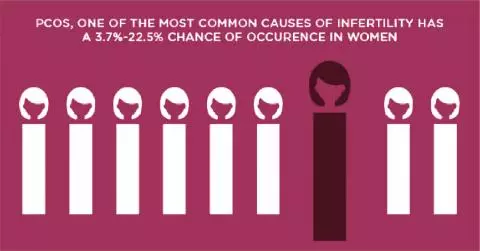
- PCOS - PCOS can cause a hormonal imbalance where there is excess of male hormone production This can keep the ovaries from releasing mature eggs. PCOS is the most common cause of infertility amongst women.
- Hypothalamic Dysfunction - Hypothalamic dysfunction affects the pituitary gland's ability to produce two hormones, LH and FSH that are essential for ovulation. Without these hormones, a woman may not be able to ovulate and hence may have irregular or absent periods.
- Premature Ovarian Failure - This refers to a condition where a woman's ovaries stop functioning long before menopause and cannot produce any more eggs. This may be the result of an autoimmune disease, genetic abnormalities and exposure to toxins.
- Too Much Prolactin - The excessive production of prolactin by the pituitary gland can cause ovulatory dysfunction and cause infertility
Structural Issues
Issues with the physical structure of the female reproductive organs can also cause infertility. This includes damage to the fallopian tubes, endometriosis and uterine fibroids.
Unexplained Infertility
In some cases, there may be no identifiable cause of infertility. This is referred to as unexplained infertility.
Related Fertility Blogs