 Self-cycleTM IVF


-
-
-
 Infertility Counselling
-
 Female Infertility Treatment
-
 Andrology Treatment
-
 Fertility Enhancing Surgeries - Female
-
 Fertility Enhancing Surgeries - Male
-
 Endoscopy Treatment
-
 IUI Treatment
-
 IVF Treatment
-
 ICSI Treatment
-
 Advance IVF Solutions
-
 Embryology
-
 Vitrification Egg, Embryo, Sperm Freezing
-
 Preimplantation Genetic Testing (PGT)
-
 Donation Program Embryo / Egg / Sperm
-
 Self-cycleTM IVF
-
-
-
-
-
Vaginismus
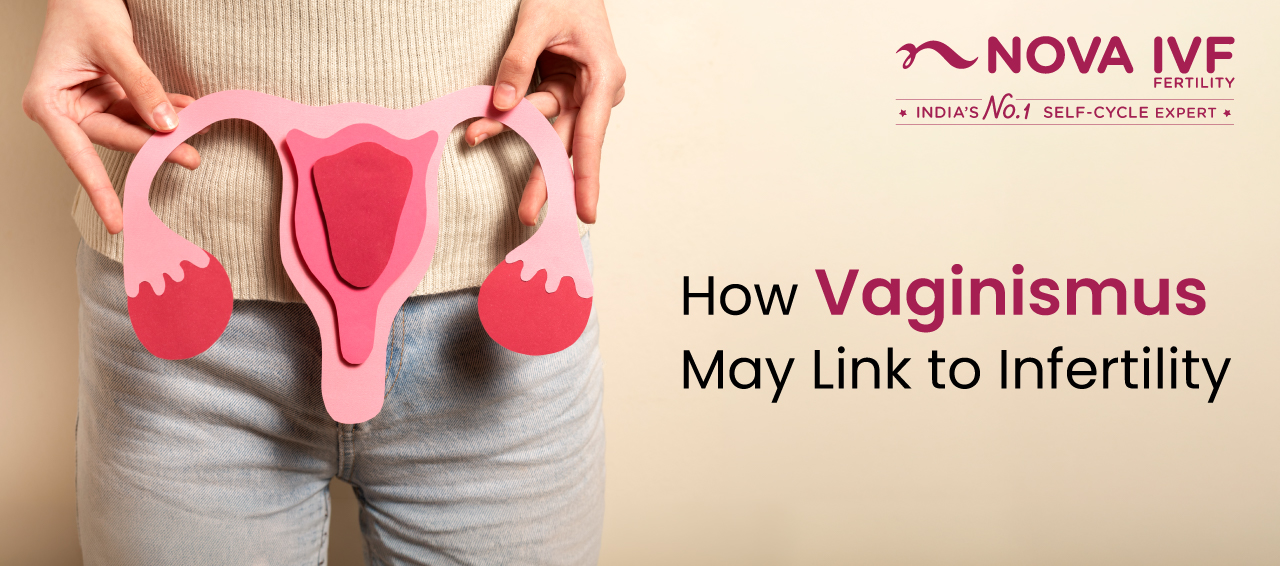
How Vaginismus May Link to Infertility Causes
A vaginismus diagnosis does not mean a woman cannot get pregnant, but it can create real difficulties when a couple is trying to conceive. When penetration is painful, many couples stop trying regularly or avoid intercourse around ovulation. Over time, this can delay pregnancy. This is why painful intercourse and infertility are often mentioned together during fertility consultations. Many women also start avoiding sex because they expect pain, and that fear can make the pelvic muscles tighten even more.
In some cases, the same vaginismus causes may also affect fertility indirectly. For example, recurrent infections, pelvic pain conditions, hormonal changes, or past trauma can contribute to vaginismus and also disturb regular intimacy. Many vaginismus symptoms are noticed only when penetration is attempted. Women may describe burning, stinging, tightness, or a sudden spasm that makes intercourse stop immediately. This can make timed intercourse feel stressful, even when everything else, including ovulation, is normal.
The condition is treatable in most cases. Vaginismus treatment often includes pelvic floor relaxation exercises, counselling, and the supervised use of dilators. Most women improve once treatment for vaginismus is started and followed regularly. If intercourse is still not possible, doctors may move forward with treatments such as IUI or IVF.
FAQs
1. Can vaginismus stop pregnancy?
It does not directly cause infertility, but vaginismus and conception can become difficult if intercourse is not possible.
2. Is vaginismus a common reason for infertility?
It is an indirect factor. Painful intercourse and infertility are linked mainly because intercourse becomes difficult.
3. What are the early signs of vaginismus?
Early signs of vaginismus include fear of penetration, pain with tampons, or discomfort during examination.
4. What causes vaginismus in most women?
Vaginismus causes can include anxiety, past trauma, infections, childbirth pain, or pelvic floor tightness.
5. Is there a treatment for vaginismus that actually works?
Yes. Treatment for vaginismus often works well when done consistently under medical guidance.
6. How to treat vaginismus safely?
Vaginismus treatment usually involves pelvic floor exercises, dilators, and counselling.
7. Does vaginismus need surgery?
Usually not. Most women improve with exercises and counselling.
8. Can vaginismus be cured permanently?
Many women improve a lot, and for some, symptoms go away completely. That is often considered a practical vaginismus cure.
9. Can fertility treatment help if intercourse is not possible?
Yes. Couples can still conceive through vaginismus and fertility treatment options such as IUI or IVF.
10. What is the best vaginismus treatment option?
The best vaginismus treatment depends on the cause, but pelvic floor therapy and gradual dilator training are commonly used.