 Self-cycleTM IVF


-
-
-
 Infertility Counselling
-
 Female Infertility Treatment
-
 Andrology Treatment
-
 Fertility Enhancing Surgeries - Female
-
 Fertility Enhancing Surgeries - Male
-
 Endoscopy Treatment
-
 IUI Treatment
-
 IVF Treatment
-
 ICSI Treatment
-
 Advance IVF Solutions
-
 Embryology
-
 Vitrification Egg, Embryo, Sperm Freezing
-
 Preimplantation Genetic Testing (PGT)
-
 Donation Program Embryo / Egg / Sperm
-
 Self-cycleTM IVF
-
-
-
-
-
Male Infertility Symptoms: Key Indicators and What to Watch For
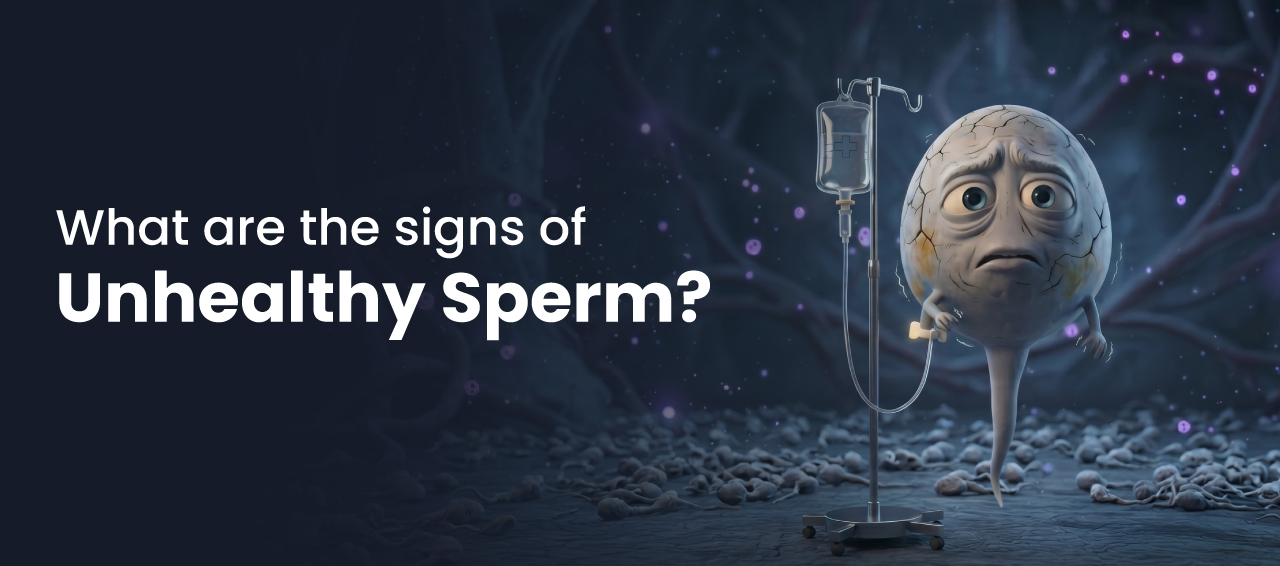
Male infertility is equally common as female infertility. Ignoring the signs and symptoms of this problem can lead to serious future consequences such as lack of confidence or emotional and psychological disturbances due to the inability to father a child. Some of the common symptoms of male infertility are:
The "ejaculation disorder" is one of the most common symptoms of male infertility. Some men experience rare ejaculation or early ejaculation, while some others have a very low volume of semen during ejaculation. All of this come under ejaculation disorder. If the ejaculation is not in order, there is no orgasm achieved and thus hampering their sexual life.
Lack of Sexual Desire
Usually, men produce a greater amount of testosterone, a hormone responsible for their libido or sex drive. If due to some hormonal issues, there is a dip in the testosterone, then their sexual desire or drive decreases.
Very Small and Firm Testicles
This is the primary sign of infertility in men. If one's testicles are too tiny to produce the testosterone hormone, then their fertility gets affected badly. Usually, a man born with one or more additional X chromosome, also known as the Klinefelter's syndrome faces such issues. Such men have low facial hairs, thin bodies and excess fat around their chest area.
Erectile Dysfunction
The inability to maintain an erection during a sexual intercourse is known as erectile dysfunction. This is also a widely common symptom of infertility in men. It could be caused due to various neurological and psychological reasons.
Varicocele of the Testicles
When the veins of one's testicles swell and block the flow of sperm then a condition called varicocele occurs. Over 10-15% of men of reproductive age are affected by this problem. It is difficult to impregnate your partner with this condition. But the good news, with some minor surgery this problem can be corrected easily.
Pain or Swelling in the Testicles
A dull pain or swelling in your testicles is not normal and seeks immediate medical attention. There many reasons for this condition that includes testicular tension (twisted testicles), Epididy mitis (testicle infection), Hydrocele (building up of fluid around testicles) and hernia.
Kallman's Syndrome
A genetic disorder that is defined by the delay or absence of puberty. During fetal development, when the Gonadotropins-releasing hormone (GnRH) neurons don't take a path from olfactory area to the hypothalamus, it leads to hypogonadism or malfunction of testicles.
What Happens If a Man Is Infertile?
It is a matter of great concern when a couple is unable to conceive, and in many instances, male infertility symptoms are the underlying cause. Such symptoms typically involve deficiencies in sperm production, namely azoospermia or oligospermia. Furthermore, the efficacy of fertilisation depends heavily on sperm motility and morphology. One must also consider the impact of sexual health disorders, such as erectile dysfunction, which further impede the natural process of conception. The resulting emotional distress and relationship strain cannot be understated.
However, it is imperative to note that early medical consultation provides a range of solutions. Through the diligent application of medical treatments, lifestyle modifications, and assisted reproductive technologies, the goal of parenthood remains attainable. Timely diagnosis is essential for identifying hormonal imbalances or infections, thereby ensuring the restoration of reproductive health.
What Tests Will Be Done to Diagnose Male Infertility?
Signs of male infertility are identified through several procedures:
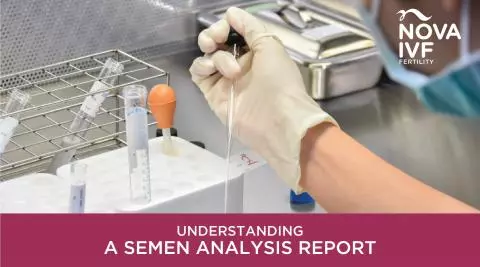
- Semen analysis: Used to observe sperm health and identify any visible defects.
- Hormone testing: The first step in verifying your body’s sperm-building capacity.
- Scrotal Scans: Identifying physical barriers and vein issues.
- Genetic Insights: Deep-dive data into your hereditary health.
- Post-ejaculation urinalysis: Diagnoses retrograde ejaculation by testing urine samples.
- Testicular biopsy: Confirms the presence of sperm when they aren't found in semen.
- Infection screening: Clears the path by identifying and removing minor health issues that affect your vitality.
These tests help doctors confirm signs of male infertility and build a winning plan for you. Early action expands your options and puts you on the fastest track to a successful pregnancy.
FAQs
1. What are the early signs of male infertility?
Common early signs of male infertility include reduced sexual desire, difficulty with erection or ejaculation, and possible testicular discomfort.
2. Can a man be infertile without symptoms?
Yes. Many men show no visible signs and symptoms of male infertility until they try to conceive.
3. Does low sperm count always mean infertility?
Not always, but severely low counts can reduce the chance of a natural pregnancy.
4. Is male infertility treatable?
Yes, many men can get help. Doctors use medicine, operations, or special lab methods to help you have a baby.
5. How long should couples try before testing?
Most doctors suggest to try for one year. If you are worried or have health problems, go much sooner.
6. Do lifestyle habits affect fertility?
Smoking, drinking, being very overweight, or being stressed can make it harder for a man to be fertile.
7. Can a hormonal imbalance cause infertility?
Yes. If your hormones are not right, your body might stop making enough sperm to start a pregnancy.
8. When should a doctor be consulted?
See a doctor if you are not pregnant after a year, or if you have pain or other symptoms.
9. Does age affect male fertility?
Yes. As men get older, the quality of their sperm tends to decline slowly.