 Self-cycleTM IVF


-
-
-
 Infertility Counselling
-
 Female Infertility Treatment
-
 Andrology Treatment
-
 Fertility Enhancing Surgeries - Female
-
 Fertility Enhancing Surgeries - Male
-
 Endoscopy Treatment
-
 IUI Treatment
-
 IVF Treatment
-
 ICSI Treatment
-
 Advance IVF Solutions
-
 Embryology
-
 Vitrification Egg, Embryo, Sperm Freezing
-
 Preimplantation Genetic Testing (PGT)
-
 Donation Program Embryo / Egg / Sperm
-
 Self-cycleTM IVF
-
-
-
-
-
Causes Of Testicular Pain: Can It Lead To Infertility?
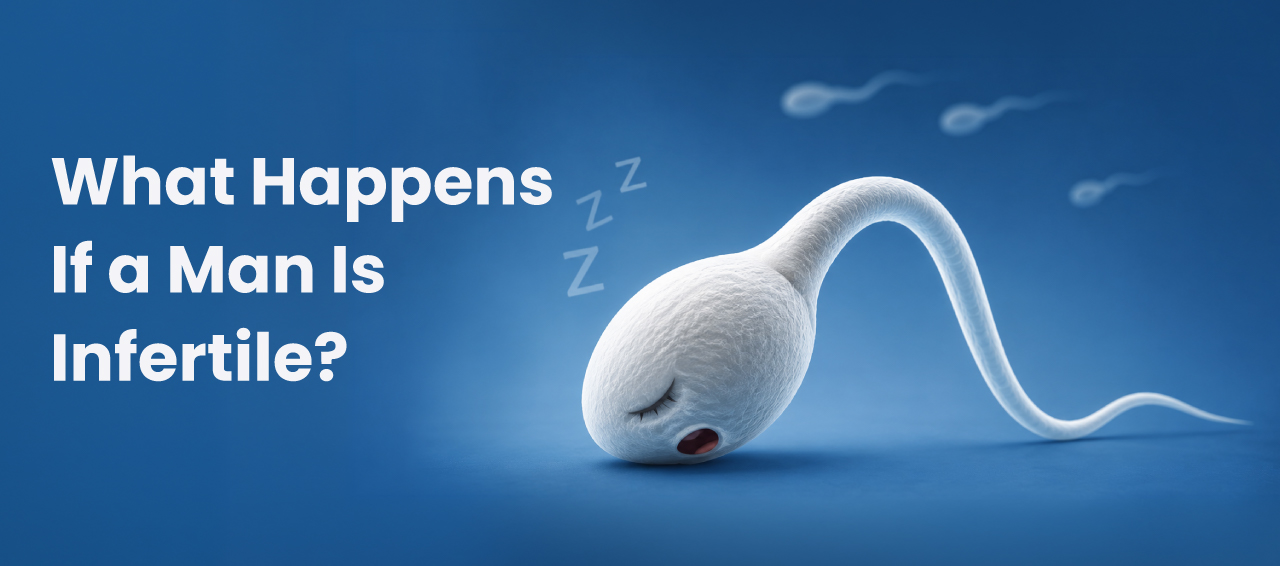
The male reproductive gland that produces sperm and testosterone are known as testicles. They play a very important role in male fertility. Swelling and pain in the testicles can be caused by many factors. Some of these factors can impact fertility while others have no effect on a man's ability to procreate. To be on the safe side, medical help should always be sought for any sort of testicular pain or inflammation.
Common Causes of Swelling in Testicles and Pain in the Testicles
Physical Trauma
The testicles are very sensitive to any kind of physical trauma. A blow to the testicles can often result in severe pain. This is usually temporary and is relieved by itself. However, if the pain does not subside or if it is accompanied by swelling and bruising of the testes and scrotal area, medical attention should be sought. In rare cases, a bad injury can cause blood to leak into the scrotum. In such cases, surgery may be needed to prevent infertility.
Testicular Torsion
This is a condition wherein the testicle twists itself inside the scrotum. It may happen as a result of physical trauma or occur spontaneously. The twisting of the testicle can interfere with blood flow to the testicle and even result in the death' of a testicle. It is possible that pain in testicles leads to infertility in such cases. Hence, surgery is usually needed to treat the condition. Newborns and children between the ages of 12-18 years have the highest risk of testicular torsion.
Epididymitis
This refers to inflammation of the epididymis. It is usually the result of an infection and is the most common cause of testicular pain in men older than 18 years of age. In many cases, this is caused by a sexually transmitted disease such as Chlamydia or Gonorrhea. If left untreated, this condition can result in the formation of scar tissue around the testicles. This may, in turn, prevent sperm from leaving the testicles and cause infertility.
Testicular Cancer
Testicular cancer can cause swelling in either testicles or the development of a lump on the testicles. This is often accompanied by pain. This type of cancer can be treated. Even if one testicle needs to be removed during the treatment, the other testicle will still produce sperm and thus the man may father children in the future.
Testicular pain and swelling may also be caused by an inguinal hernia, kidney stones and testicular tumours.
Testicular Pain can Be Caused by an STI - Sexually Transmitted Infection?
Taking the time to understand your body is a powerful step toward a healthy life. When it comes to the various causes of testicular pain, STIs are an important factor to be aware of. Chlamydia and gonorrhoea can cause significant inflammation and a heavy, dull ache. You might see some swelling or redness, and it’s something you definitely shouldn't ignore. By speaking with a doctor early, you can get the antibiotics needed to clear the infection and protect your future fertility.
It’s also wise to keep an open mind, as there are many other causes of testicular pain. Whether it’s a sudden injury, a varicocele, or something more serious like a tumour, the symptoms can often overlap. Get a professional evaluation to be sure. Understanding the different infectious and mechanical causes of testicular pain allows you to take timely action. This proactive mindset not only prevents complications but also supports your long-term reproductive health and peace of mind.
FAQs
1. What are the most common causes of testicular pain?
Pain is usually caused by infections, injuries, swollen veins, a twisted cord, or sometimes by growths such as tumours.
2. Can infections lead to swelling in the scrotum?
Yes, infections can make the area around your testicles look much larger and feel very sore and red.
3. Is testicular torsion an emergency?
Yes. If the testicle twists, blood flow stops. You must go to the hospital right away for surgery to save it.
4. Do minor injuries cause long-term problems?
Small knocks usually get better on their own. However, a very hard hit might cause problems with having children if it isn't treated.
5. Can kidney stones cause testicular discomfort?
Yes. Even though the stone is in your kidney, you might feel the pain down in your testicles instead.
6. Are tumours always painful?
No. Many testicular tumours present as painless lumps, which is why regular self-examination is important.
7. When should someone see a doctor for swelling?
Immediate care is needed for sudden, severe pain, persistent swelling, fever, or nausea.
8. Can untreated swelling affect fertility?
Yes. Long-standing inflammation or structural damage may interfere with sperm production or transport.
9. Are there different reasons for swelling in testicles at different ages?
Certainly. It’s mostly infections for the younger crowd, whereas older men need to watch out for prostate issues or growths.
10. What can cause swelling in testicles without pain?
It could be a cyst or just fluid, but don’t assume it’s fine just because it doesn't hurt. Early tumours are quiet.
Related Fertility Blogs