 Self-cycleTM IVF



-
-
-
 Infertility Counselling
-
 Female Infertility Treatment
-
 Andrology Treatment
-
 Fertility Enhancing Surgeries - Female
-
 Fertility Enhancing Surgeries - Male
-
 Endoscopy Treatment
-
 IUI Treatment
-
 IVF Treatment
-
 ICSI Treatment
-
 Advance IVF Solutions
-
 Embryology
-
 Vitrification Egg, Embryo, Sperm Freezing
-
 Preimplantation Genetic Testing (PGT)
-
 Donation Program Embryo / Egg / Sperm
-
 Self-cycleTM IVF
-
-
-
-
-
Understanding Embryo Transfer: What It Is and How It Works
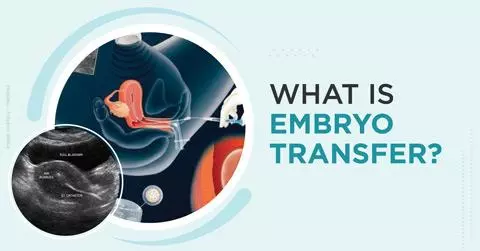
Embryo Transfer
Embryo transfer is the procedure performed to place the embryo in the uterus where its development will take place. It is a quick and simple procedure but also one of the most important steps in the IVF Lifecycle. It corresponds to the last process of IVF, after the fertilization of the gametes in a laboratory environment. Also, the choice of the appropriate ET catheter is crucial for successful implantation.
Preparations
Embryo transfer is routinely performed through the transcervical route. The quality and versatility of the ET catheters are essential to ensure a great user experience as gynecologists may encounter different patient conditions such as the presence of cervical mucus, acute uterine flexion, difficulty to pass through the internal os or different lengths of the cervical canal and uterus.
Evaluation of the uterine cavity prior to embryo transfer allows to determine the length and angle of the cervical canal, as well as the difficulty to access the uterine cavity, in order to choose the appropriate ET catheter.
In general, if the eggs are not frozen, the embryo transfer happens within 3 or 5 days after the collection of the genetic material.
As a result, patience and tranquility are important for the preparations to take place in the best way.
The recommendation is to drink plenty of water before the procedure so that the bladder is full. This way, the uterus remains straight and the ultrasound equipment can capture better images of the organ. A good vision of the uterine cavity contributes a lot to the success of the method.
Related Blog: Types of Embryo Transfer after IVF
When embryo transfer is needed
IVF and embryo transfer are required when natural fertilisation is not an option or is difficult to achieve. IVF can be done for a variety of reasons, including ovulation disorders, damage to fallopian tubes, endometriosis, premature ovarian failure, uterine fibroids, genetic disorders and impaired sperm production.
Various types of embryo transfer
The same procedure is followed every time to extract and fertilize the eggs during IVF. Once fertilization has occurred, there are several options for embryo transfer:
Fresh embryo transfer:After fertilisation, eggs are cultured for 3 to 5 days. The best embryos are chosen for direct transfer to the woman's uterus.
Frozen embryo transfer: Any healthy embryos that were not used in the first transfer can be frozen and stored for future use. These can be thawed and transferred in the uterus. In some cases, the first embryo transfer can also be a frozen embryo transfer if all embryos formed are frozen.
How does the embryo transfer work?
After the collection of gametes (eggs and sperm), they will be fertilized in a laboratory. After that, the resulting embryos are evaluated by a specialist who selects those with the best development potential to be transferred to the womb of the future mother.
The procedure is painless and quite simple. As a result, there is usually no need to anesthetise the patient. For comparison purposes, there is discomfort similar to that experienced during a Pap smear.
Learn More About how blastocyst transfer works
How many embryos can be transferred?
The answer to this question varies greatly depending on a number of factors. The main aspects that define the number of embryos that can be transferred are the age of the patient, associated medical conditions, patient’s choice and the receptivity of her endometrium.
According to the recommendations of the Federal Council of Medicine, four is the maximum number of embryos to be deposited in the uterus in one transfer. After all, a higher number of embryos transferred considerably increases the chances of multiple gestations, which can be dangerous for the mother and babies.
And after the embryo transfer?
After the embryo transfer, the patient can maintain her normal habits and routines. Work, studies and daily activities do not need to be modified as the embryo placed in the uterus is very similar to the natural process of pregnancy.
It is recommended, however, that women avoid stressful situations and high intensity and impact activities. And, as each patient has her own particularities, medical follow-up is indispensable. Remember that there are other aspects besides physical that need to be observed. Mental health and emotional balance are also important.
Waiting for the result:
This is the most awaited moment. After weeks of tests, consultations and medication, the last stage has arrived.
The Beta-hCG blood test is carried out 12 to 14 days after the embryo transfer to confirm pregnancy.
Try to stay calm and leave your worries and new steps to be taken until after the result. Consult our trusted doctor if you have any concerns during the assisted reproduction procedures.
Learn More About our IVF treatment program
Pros and Cons of Fresh Embryo Transfer
Pros of Fresh Embryo Transfer:
Same-cycle transfer:
Many couples choose a fresh transfer because it feels like the IVF journey is moving step-by-step without stopping between egg retrieval and embryo transfer. In case couples opt for frozen embryo transfer for any reason, they will need to wait till the time they choose for the transfer to happen. With fresh embryo transfer, this waiting step is avoided.
No freezing needed:
Since the embryo is transferred right away, there is no freezing or thawing.
May reduce extra expenses:
Some couples may choose a fresh transfer to avoid the extra cost of embryo freezing and long-term storage.
No gap between steps:
IVF cycles can be emotionally demanding as well, and waiting in anticipation for the next step can be emotionally draining. In fresh embryo transfers, this anticipation can be reduced to a good degree.
Cons of Fresh Embryo Transfer:
Hormone levels may not settle fully:
Since the ovaries are stimulated with injections, hormone levels can remain elevated for some time. In some women, this can make the uterine lining less favourable for embryo implantation.
May be avoided when the OHSS risk is high:
If the ovaries respond too strongly and there is concern for ovarian hyperstimulation syndrome, doctors may choose to freeze the embryos and delay transfer, as pregnancy can worsen OHSS symptoms.
Less time for additional testing:
Fresh transfer happens soon after egg retrieval, so genetic testing may not be completed before IVF embryo placement.
Cycle cancellation possibility:
If the lining is not ready or hormone levels are not suitable, the planned IVF uterine transfer may be deferred, and embryos may be frozen for later use.
How To Prepare for Your Embryo Transfer
If you are trying to understand “What is embryo transfer?”, it is the IVF stage in which the embryo is placed into the uterus so pregnancy can begin. The embryo transfer procedure is usually quick, but being prepared helps the day go more comfortably. Many clinics ask women to come with a comfortably full bladder, because it improves ultrasound visibility and makes IVF embryo placement easier. It is also important to follow progesterone and other medicines exactly as advised, because they help the uterus stay ready for the embryo implantation process.
On the day of transfer, it is usually better to avoid perfumes, strong deodorants, and heavily scented creams. Most fertility centres prefer keeping the environment around embryos as chemical-free as possible. Wear comfortable clothing, have a light meal, and try not to rush your schedule. The transfer itself is usually a short procedure and does not need anaesthesia. Most women describe the feeling as mild discomfort, similar to a routine internal examination.
FAQs
Q1. What is embryo transfer?
Embryo transfer is the IVF step where an embryo is placed into the uterus for implantation.
Q2. Is the embryo transfer procedure painful?
Usually no. The embryo transfer procedure feels similar to a Pap smear, with mild discomfort in some women.
Q3. How long does embryo transfer take?
The actual transfer usually takes only a few minutes, though the full process may take longer with preparation.
Q4. What happens during IVF embryo placement?
A soft catheter is used to place the embryo inside the uterus under ultrasound guidance.
Q5. Should bed rest be taken after embryo transfer?
Complete bed rest is usually not required. Most women can continue their normal routine with activity restrictions.
Q6. When is a pregnancy test done after embryo transfer?
A beta-hCG blood test is performed around 12 to 14 days after transfer.
Q7. Can embryo transfer fail even with good embryos?
Yes. Even when embryos look healthy, success still depends on the uterus's receptivity during implantation.
Q8. Can two embryos be transferred together?
Yes. In some cases, two embryos may be transferred, but the decision depends on age, embryo quality, and medical factors because the risk of a twin pregnancy becomes higher.
Q9. What precautions should be followed after embryo transfer?
Avoid heavy exercise, smoking, alcohol, and stress. Continue medicines exactly as prescribed.
Q10. What is the difference between fresh & frozen embryo transfer?
A fresh transfer is performed during the same IVF cycle, while a frozen transfer is performed later using thawed embryos.
Dr. Abhinay Singh Senger
Fertility specialist at Dehradun, Nova IVF