 Infertility Counselling
 Female Infertility Treatment
 Andrology Treatment
 Fertility Enhancing Surgeries - Female
 Fertility Enhancing Surgeries - Male
 Endoscopy Treatment
 IUI Treatment
 IVF Treatment
 ICSI Treatment
 Advanced IVF Solutions
 Embryology
 Vitrification Egg, Embryo, Sperm Freezing
 Preimplantation Genetic Testing (PGT)
 Donation Program Embryo / Egg / Sperm
 Self-cycleTM IVF

 Self-cycleTM IVF
Many IVF failures happen not due to lack of effort,
but because the real cause was missed. At Nova IVF,
we start afresh — with deeper diagnosis and personalised care.
THE DIFFERENCE

Precision
diagnosis

AI-powered
embryo grading
& advanced
genetic screening

Uterus-first
approach
for implantation
readiness

Tailored IVF
strategies
for previously
failed cases

What Causes Repeated IVF Failure ?
IVF failures happen because of various factors, including:

Genetic Abnormalities
Genetic abnormalities in either of the partners, as well as random chromosomal issues, can affect the development of the embryo, resulting in IVF failure.

Hormonal Imbalances
Conditions such as thyroid disorders or polycystic ovarian syndrome (PCOS) can result in repeated IVF failure.

Uterine Abnormalities
Problems in a female's uterus, such as a septate uterus (a wall of tissue dividing the uterine cavity), polyps, fibroids, or adhesions, can interfere with implantation.

Immunological & Blood Clotting Disorders
Conditions such as antiphospholipid syndrome, systemic lupus erythematosus (SLE), and thrombophilia can impact the chances of a successful pregnancy.

Sperm Quality and DNA Fragmentation (DFI)
Poor sperm health, including high DFI, can lead to genetic abnormalities in embryos, increasing the risk of IVF failure.

Lifestyle & Environmental Factors
Lifestyle factors such as tobacco use and heavy alcohol intake and environmental factors such as exposure to chemicals and other toxins can all lead to IVF failure.
A proper diagnosis and tailored treatment plan are key to successfully treating repeated IVF failures.
HLA Testing for Recurrent IVF Failures
Doctors often recommend a human leukocyte antigen (HLA) compatibility test to couples who have multiple failed IVF cycles where the PGS-tested (genetic testing to detect chromosomal abnormalities) embryos have also failed to implant successfully. HLA compatibility testing can help identify potential rejection issues.
Benefits of HLA testing:
- Certain genetic factors can lead the body to reject embryos, especially when the partners are closely related (for example, first or second cousins).
- Suspected HLA incompatibility. Doctors conduct genotyping of both partners to evaluate compatibility.
- HLA testing is now used in IVF to select only the healthiest embryos for transfer. Standard IVF procedures are then used to transfer the embryo, increasing the chances of a successful pregnancy.
Thus, by combining LIT therapy and HLA testing, doctors can enhance pregnancy outcomes for women who have had repeated failed IVF cycles.
Specialised Testing for Repeated IVF Failure
At Nova IVF Fertility, we perform extensive investigations to determine the underlying cause of repeated IVF failure and to choose the best course of action. Some of the diagnostic tests include:

Peripheral Blood Karyotyping of Couples
To detect any structural chromosomal abnormalities.

Antiphospholipid Antibody (APLA) Testing
To rule out immune-related causes.

Ultrasound / MRI / Endoscopy
To rule out any congenital uterine anomalies.

Thyroid Function Tests
To identify any imbalances in thyroid-related hormones.

Immunological Testing
This may involve tests to identify immune system dysfunction, such as HLA matching, NK cell, and cytokine tests.
Repeated IVF Failure Treatment
One of the effective treatments to treat recurrent IVF failure is using lymphocyte immunisation therapy (LIT). The LIT helps the female partner’s body to develop antibodies to her partner’s sperm and recognise them as safe, thereby reducing the chances of embryo rejection and allowing full-term pregnancy.
Before starting the LIT therapy, doctors usually perform a pre-LIT work-up. This typically includes a comprehensive review of the medical history that includes the timing and frequency of previous miscarriages and immunological assays to determine rejection levels.
The LIT procedure is as follows:
- Blood from the male partner is extracted to separate the white blood cells (WBCs).
- These WBCs are injected into the female partner’s body at multiple locations to generate an immunological response.
- This enables the female body’s immune system to recognise sperm and embryo as non-threatening, resulting in successful conception.
The total number of LIT sessions required differs from person to person, based on the severity of immunologic rejection. Some women require as many as three sittings to get an effective immunisation.
However, there are certain cases where the female body rejects the male partner’s sperm entirely. In such cases, donor blood of
the same blood type can be used for LIT. Once the female body's immune system gets trained to accept donor cells, LIT therapy can be started. Some women may need several LIT sessions prior to embryo transfer.
Dr. Jayesh Amin—the best doctor for treating repeated IVF failure at Nova IVF Fertility and one of India's leading specialists in LIT—has successfully treated 250+ cases using LIT treatment. With his LIT therapy, women have become pregnant and successfully delivered full term.
If you have experienced multiple IVF failure in the past, then visit Nova IVF Fertility’s repeated IVF failure centre today for effective solutions!
Targeted Treatments to Treat Underlying Cause
- If antiphospholipid antibodies (APLA) are identified, low-dose aspirin and blood-thinning injections can improve pregnancy outcomes.
- Uterine problems such as a malformed womb or fibroids may necessitate minor surgery.
- Hormonal abnormalities (such as thyroid issues and diabetes) are treated with drugs or lifestyle modifications.
- Progesterone supplements may aid women with repeated IVF failure who experience early pregnancy bleeding.
- Lifestyle changes, such as weight control and stress reduction, are also important. Always visit an expert for tailored care based on your specific requirements.

Immunomodulatory Treatments for Multiple IVF Failure
One of the effective advanced treatments to treat repeated IVF failure is lymphocyte immunisation therapy (LIT). The LIT helps the female partner’s body to develop antibodies to her partner’s sperm and recognise them as safe, thereby reducing the chances of embryo rejection and allowing full-term pregnancy.
Before starting the LIT therapy, doctors usually perform a pre-LIT work-up. This typically includes a comprehensive review of the medical history that includes the timing and frequency of previous failures and immunological assays to determine rejection levels.
The LIT procedure is as follows:
- Blood from the male partner is extracted to separate the white blood cells (WBCs).
- These WBCs are injected into the female partner’s body at multiple locations to generate an immunological response.
- This enables the female body’s immune system to recognise sperm and embryo as non-threatening, resulting in successful conception.
The total number of LIT sessions required differs from person to person, based on the severity of immunologic rejection. Some women require as many as three sittings to get an effective immunisation.
However, there are certain cases where the female body rejects the male partner’s sperm entirely. In such cases, donor blood of the same blood type can be used for LIT. Once the female body's immune system gets trained to accept donor cells, LIT therapy can be started. Some women may need several LIT sessions prior to embryo transfer.
Other immunomodulatory therapies for repeated IVF failures include:
- Intralipid therapy
- Granulocyte colony-stimulating therapy (G-CSF)
- Intravenous (IV) or intramuscular (IM) immunoglobulin therapy (IVIG/IMIG)
These treatments function by modulating immune responses to promote the implantation of embryos and pregnancy outcomes.
Lifestyle Modifications
Weight management, quitting smoking, lowering stress levels, consuming a nutrient-dense diet, and doing moderate physical activity are all vital to enhancing pregnancy outcomes.
Psychological Support
Repeated IVF failure can be emotionally taxing. At Nova IVF Fertility, we provide support and counselling to assist couples deal with the psychological and emotional stress of repeated IVF failure.
Why Choose Nova IVF Fertility For Repeated IVF Failure?
At Nova IVF Fertility, we perform extensive investigations to determine the underlying cause of repeated IVF failure and to choose the best course of action. Some of the diagnostic tests include:

Expert Specialists for Multiple IVF Failure
Our fertility specialists are among the best doctors for recurrent IVF failure, specializing in advanced treatments like LIT. With several years of experience and modern expertise, we provide couples with compassionate, evidence-based treatment to help them have a healthy pregnancy.

High Success Rates
Our IVF doctors have successfully treated 250+ cases using LIT treatment. With his LIT therapy, women have become pregnant and successfully delivered full term. Our patient-centred approach ensures that each therapy protocol is tailored to increase the chance of a successful pregnancy.

Advanced Diagnostic Facilities
Nova IVF Fertility offers comprehensive diagnostic tests to determine the underlying reasons for recurrent IVF failure. Our modern facilities provide accurate diagnosis, leading to tailored treatment protocols for couples experiencing multiple IVF failure.


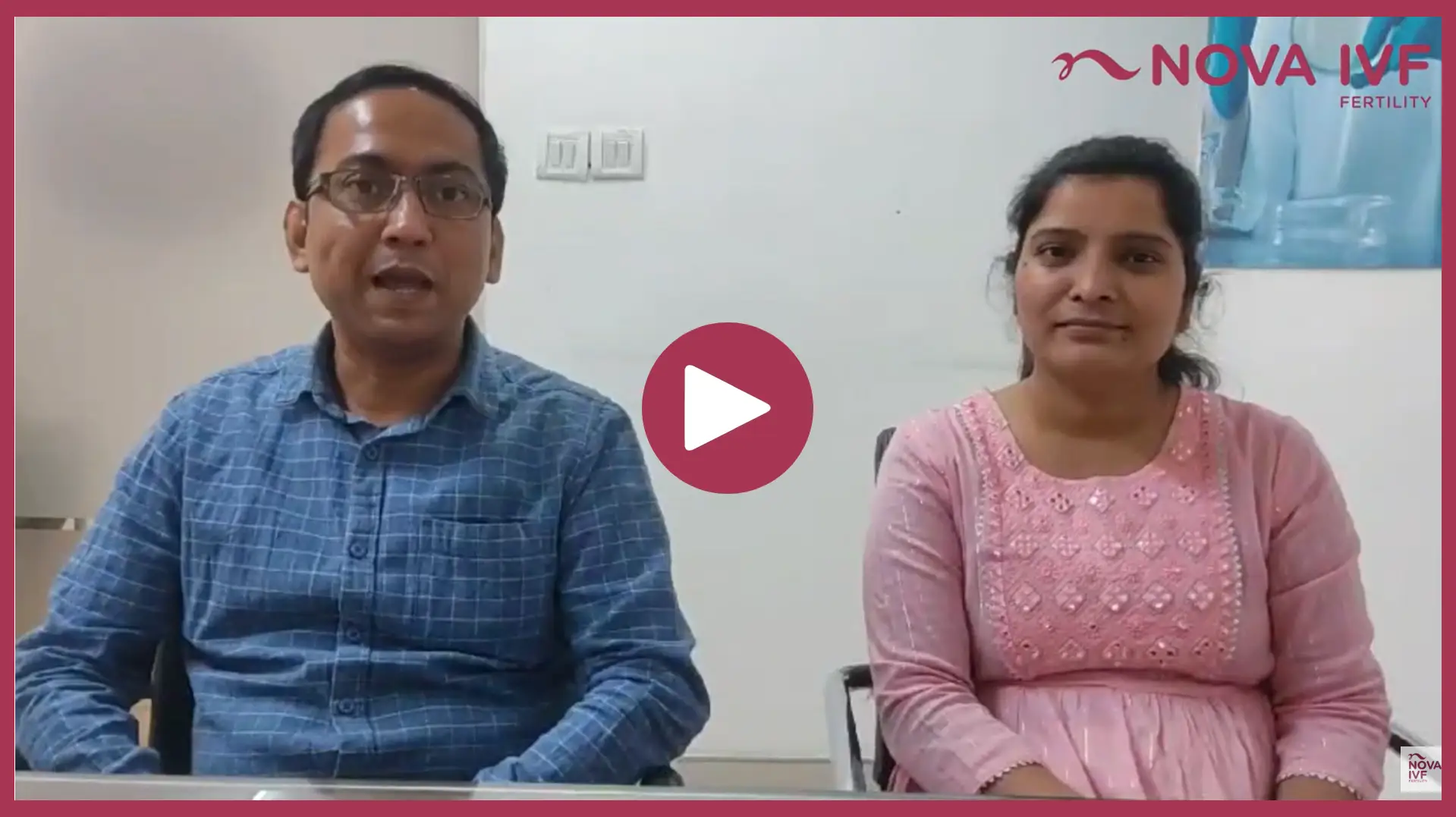 Dr. Neha Singh, IVF specialist, Nova IVF, Gorakhpur helps couple conceive after their
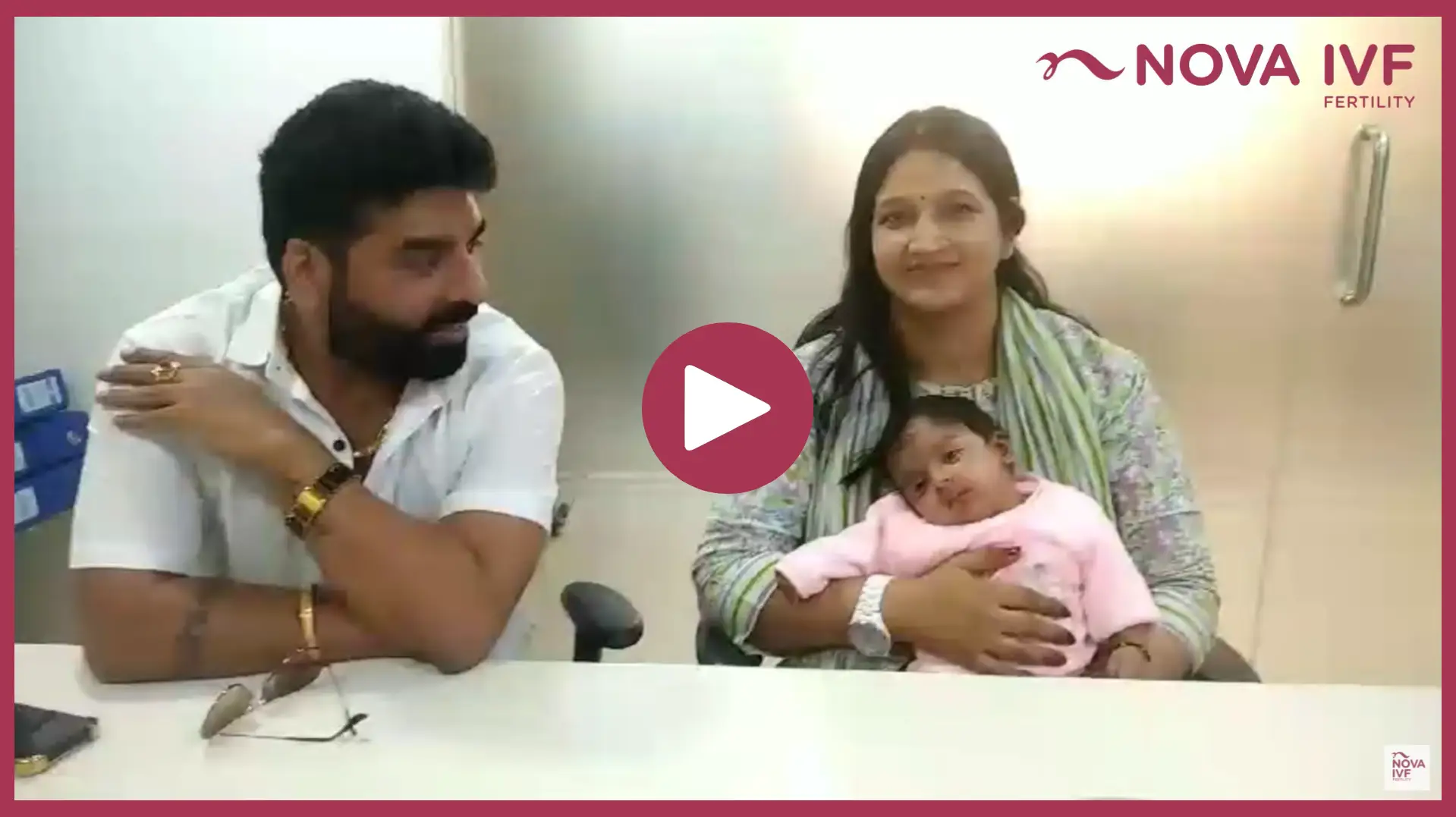
 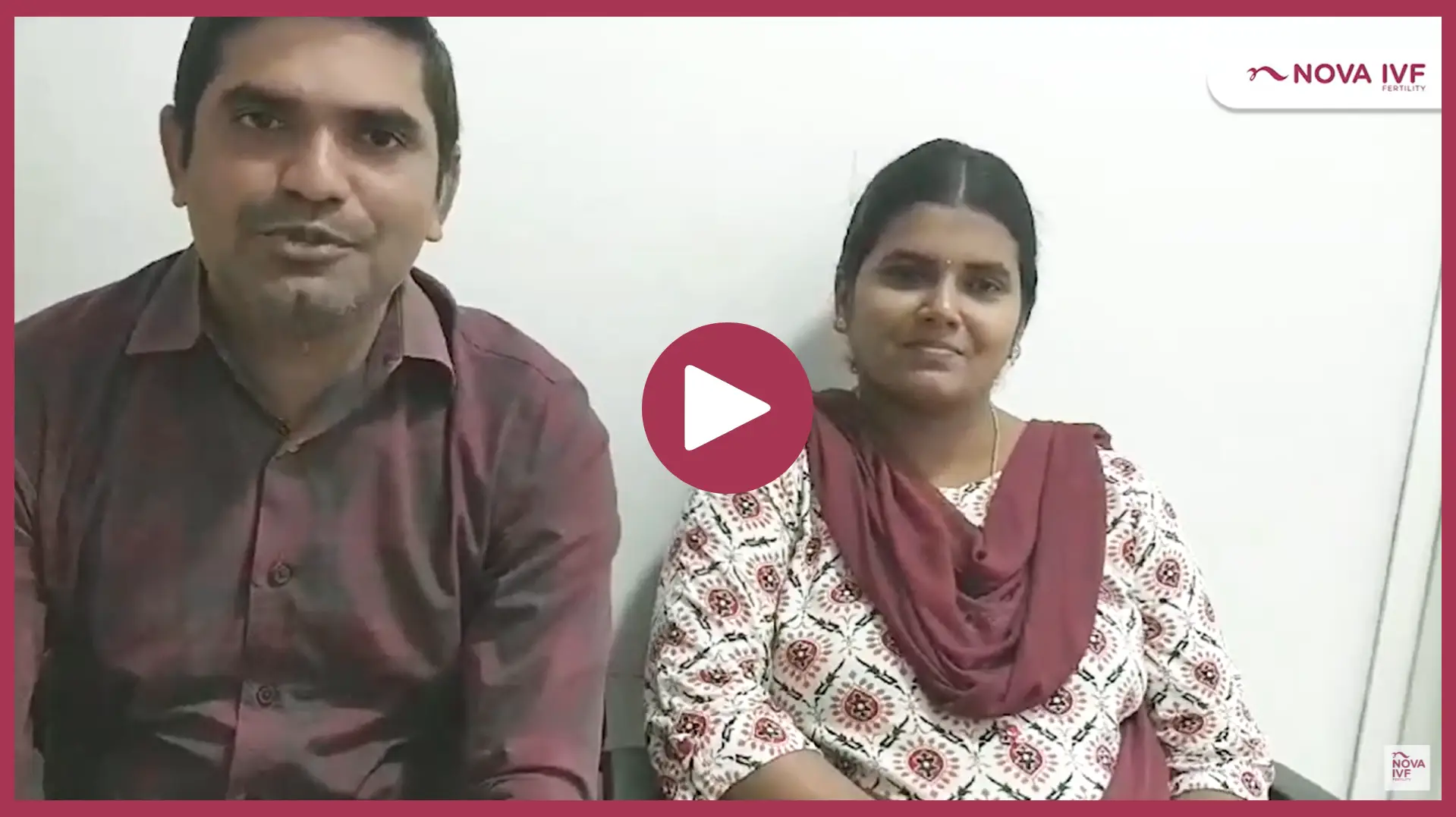 After experiencing multiple IVF failure couple did IVF by Dr. Neha and got success at Nova IVF
 With immense encouragement from Dr Suparna, patients got success in second attempt with twins.