 Infertility Counselling
 Female Infertility Treatment
 Andrology Treatment
 Fertility Enhancing Surgeries - Female
 Fertility Enhancing Surgeries - Male
 Endoscopy Treatment
 IUI Treatment
 IVF Treatment
 ICSI Treatment
 Advance IVF Solutions
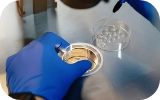 Embryology
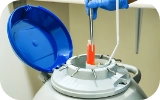 Vitrification Egg, Embryo, Sperm Freezing
 Preimplantation Genetic Testing (PGT)
 Donation Program Embryo / Egg / Sperm
 Self-cycleTM IVF
Is Sperm DNA to be blamed for repeated IVF failure (RIF)?

Nova IVF Fertility highlights the reasons for RIF and measures which can prevent it
4 – 17% of Indian couples are diagnosed as infertile. Infertility is a condition characterised by the failure to establish a clinical pregnancy after 12 months of regular, unprotected sexual intercourse. However, only 1% of the affected couples have opted for IVF (in-vitro fertilization) or other treatments that can help conceive. The uptake of Assisted Reproductive Technology (ART) for conceiving is on the rise. In fact, 40 years since the world’s first IVF baby was born, over 8 million IVF babies have been born worldwide.
IVF is the most commonly used ART technique. In Vitro Fertilization (IVF) is a technique where a woman’s eggs and man’s sperm are combined to create an embryo(s). Depending on the diagnosis and age of the woman, an embryo or embryos are transferred to the woman’s uterus through her cervix to enhance the chances of pregnancy. However, there are instances when IVF cycles could repeatedly fail.
Repeated IVF Failure (RIF) refers to cases in which women had three failed in vitro fertilization (IVF) attempts with good quality embryos. There are multiple risk factors for recurrent IVF failure including advanced maternal age, smoking status of parents, elevated body mass index, and stress levels.
Discussing the reasons and implications of RIF at a press meet held today, Dr Chandana Lakkireddi, Fertility Consultant, Nova IVF Fertility, Hyderabad commented, “Implantation dysfunction is a common cause of repeated “unexplained” IVF failure with good embryos. This is especially the case in young ovulating women who have normal ovarian reserve and have fertile partners. Successful embryo implantation depends on a well-functioning endometrium as well as a normal healthy embryo. For IVF procedures, it is critical to ensure the adequacy of the embryo and endometrium individually. This process might be hampered if either of these variables is defective”.
Reasons for Repeated IVF Failure:
With an average success rate of 50%, there are several couples who experience failed IVF treatment. The most common causes of RIF are generally classified as maternal and/or embryological factors. Some of the most common reasons for IVF failure are:
Implantation Failure:
Implantation failure is commonly caused due to uterine health. If the endometrium (lining of the uterus) is not thick enough for the embryo to be attached or if it does not provide the necessary nutrients for the embryo to develop in the first few days, the embryo fails to implant to the uterine wall. A weak endometrium is often a result of conditions like fibroids, endometrial polyps, congenital anomalies, intrauterine adhesions, hydrosalpinges. Most health care professionals are looking for a uterine lining to be greater than 8mm when a patient is having fertility treatment, however optimal would be considered 11-12 millimetres
Age related:
Maternal age is the most important variable in predicting implantation. The ovarian reserve of a woman tends to decline sharply after her mid-30s. Advanced maternal age is not only associated with increase in embryo anueploidy but also there is a parallel decline in ovarian reserve and response to gonadotropin stimulation.
Embryo Quality
The health of the embryo depends on the quality of the gametes; i.e the oocyte and sperm quality, in cases with advanced maternal age the oocyte quality can be compromised affecting implantation and success of IVF. If the quality of the Embryo is compromised due to alterations in the number of chromosomes or if the shell surrounding the embryo is thin, of in instances where the cells that are developing in the embryo itself are irregular or when there is a significant degree of cell debris around the embryo (known as fragmentation) it is thought that implantation could be compromised
DNA fragmentation:
Sperm DNA integrity is vital for successful fertilization, embryo development, pregnancy, and transmission of genetic material to the offspring. DNA fragmentation is the most frequent DNA anomaly present in the male gamete that has been associated to poor semen quality, low fertilization rates, impaired embryo quality, and pre-implantation development and reduced clinical outcomes in assisted reproduction procedures.
Advanced technologies that improve success rate of IVF
BLASTOCYST CULTURE
Blastocyst Culture is a technique in which an embryo is developed in the laboratory for 5-6 days after fertilization before being placed in womb. The embryo gains many cells as a result of being developed for so many days. The embryos developed for 5-6 days are much more advanced than the ones developed for just three days. This enables embryologists to select from the more advanced embryos with better potential for implantation. The biggest advantage of Blastocyst Culture method is that it significantly reduces the risk of multiple pregnancies.
“Over the years, Advanced Reproductive Techniques have witnessed some major developments giving rise to the trend of personalized medical attention. Advanced Reproductive Techniques such as Blastocyst, PGD & PGS, ERA and Magnetic Activated Cell Sorting help in solving abnormalities due to genetic issues in the fertile couples.” added Dr Chandana Lakkireddi.
About Nova IVF Fertility
Nova IVF Fertility (NIF) is the among the largest service providers in the fertility space. NIF aims to bring advanced Assisted Reproductive Technology (ART) to India in partnership with IVF of Spain. The partnership has resulted in a substantial addition to Nova's IVF services and technology, including proprietary software, training, and quality management. With IVF's know-how and vast international expertise, NIF brings the same exceptional standard of processes, protocols, and policies to India.
In addition to providing core procedures such as IUI, IVF, and Andrology services, NIF offers several state-of-the-art technologies such as Vitrification for preserving embryos and eggs, ERA to find out the timing of the uterus' capacity to accept embryos, PGS and PGD for the transfer of genetically normal embryos – all procedures that significantly improve the chances of a pregnancy following IVF-ICSI, even in patients with multiple previous failures. NIF currently operates 20 fertility centres in India (Ahmedabad (2), Bengaluru (3), Chennai, Coimbatore, Hisar, Hyderabad, Indore, Jalandhar, Kolkata, Lucknow, Mumbai (2), New Delhi (2), Pune, Surat, and Vijayawada).
For further information, visit www.novaivifertility.com
Media contacts:
Debolina
Manager – PR, Nova IVF Fertility
Phone: +91 76194 62888
Take your first step towards happiness


Recent Press Releases

Advanced ART techniques are playing a significant role in preventing repeated IVF Failure
Technologies like Blastocyst culture, PGD & PGS have significantly helped reduce the number of repeated IVF failures in Surat
Infertility is the inability to conceive despite engaging in unprotected sexual intercourse. Infertility has become a growing concern in India with about 4 – 17% of Indian couples diagnosed as infertile. An unsuccessful IVF cycle can be emotionally and financially devastating. About a third of the time, infertility failed can be traced to the woman. In another third of cases, it is because of the man. The rest of the time, it is because of both partners. However, only 1% of the affected couples have opted for IVF (in-vitro fertilization) or other treatments that help conceive.
In vitro fertilization (IVF) is a type of assistive reproductive technology (ART) which involves retrieving eggs from a woman’s ovaries and fertilizing them with sperms. The fertilized egg is known as an embryo, which is the frozen for storage or transferred to a woman’s uterus. However, given that the average success rate of IVF is 40-50%, there are instances where IVF cycles could fail repeatedly, termed as Repeated IVF Failure (RIF).
Repeated IVF Failure (RIF) is determined when embryos of good quality fail to implant following several in vitro fertilization (IVF) treatment cycles. Implantation failure is related to either maternal factors or embryonic causes. Discussing the major causes for Repeated IVF Failure at a press meet held today, Dr. Mona Shroff, Fertility Consultant, Nova IVF Fertility, Surat commented, “Recurrent implantation failure is an important cause of repeated IVF failure. It is estimated that approximately 10% of women seeking IVF treatment will experience this particular problem. Various uterine pathologies, such as thin endometrium, altered expression of adhesive molecules and immunological factors, may decrease endometrial receptivity. On the other hand, genetic abnormalities of the male or female partner, sperm defects, embryonic aneuploidy or zona hardening are among the embryonic reasons that contribute to failure.”
Understanding the reasons for IVF failure
With an average success rate of 50%, 5 million babies are born worldwide through every cycle of IVF. This means that almost half the people have unsuccessful IVF and fail to conceive. Here are detailed reasons why IVF could fail:
Decreased Endometrial Receptivity:
If the endometrium (lining of the uterus) is not thick enough for the embryo to be attached or if it does not provide the necessary nutrients for the embryo to develop in the first few days, the embryo fails to implant to the uterine wall. A weak endometrium is often a result of conditions like fibroids, endometrial polyps, congenital anomalies, intrauterine adhesions, hydrosarpinx. The ideal measurement of an uterine lining should be greater than 8mm when a patient is having fertility treatment, however optimal would be considered 11-12 millimetres.
Embryo Quality
The health of the embryo depends on the quality of the gametes; i.e the oocyte and sperm quality, in cases with advanced maternal age the oocyte quality can be compromised affecting implantation and success of IVF. If the quality of the Embryo is compromised due to alterations in the number of chromosomes or if the shell surrounding the embryo is thin, of in instances where the cells that are developing in the embryo itself are irregular or when there is a significant degree of cell debris around the embryo (known as fragmentation) it is thought that implantation could be compromised.
Technologies used for better IVF success rate
The field of Assisted Reproductive Technology is rapidly progressing with many new advances since the last decade. The future of reproductive technology holds great potential to allow biological birth for those who might not otherwise have been capable of it.
PRE-GENETIC DIAGNOSIS & SCREENING
Genetics contribute up to 10 per cent of recurrent pregnancy losses in couples. Embryos with an incorrect number of chromosomes fail to implant or miscarriage during the first trimester of pregnancy. Reproductive genetics help in screening the embryos and select the healthy embryo for implantation. PGS is a last generation genetic test that allows screening for chromosomal abnormalities in embryos during an IVF cycle. All 24 types of chromosomes are analyzed using PGS in order to detect aneuploidies (alterations in the number of chromosomes) which are the leading cause of miscarriages and implantation failure.
Commenting on how ART technology has helped reduce repeated IVF failures, Dr Mona Shroff added, “Since the birth of the first IVF baby in the year 1978, the industry has seen tremendous advancements. Both technology and healthcare have always advanced simultaneously. Assisted Reproductive Techniques such as Blastocyst culture, Time-lapse screening, PGD & PGS have greatly increased the number of live births in each stimulated IVF cycle.”
BLASTOCYST CULTURE
Blastocyst Culture is a technique in which an embryo is developed in the laboratory for 4-6 days after fertilization before being placed in womb. The embryo gains many cells as a result of being developed for so many days. The embryos developed for 4-6 days are much more advanced than the ones developed for just three days. This enables embryologists to select from the more advanced embryos with better potential for implantation.
About Nova IVF Fertility
Nova IVF Fertility (NIF) is the among the largest service providers in the fertility space. NIF aims to bring advanced Assisted Reproductive Technology (ART) to India in partnership with IVF of Spain. The partnership has resulted in a substantial addition to Nova's IVF services and technology, including proprietary software, training, and quality management. With IVF's know-how and vast international expertise, NIF brings the same exceptional standard of processes, protocols, and policies to India.
In addition to providing core procedures such as IUI, IVF, and Andrology services, NIF offers several state-of-the-art technologies such as Vitrification for preserving embryos and eggs, ERA to find out the timing of the uterus' capacity to accept embryos, PGS and PGD for the transfer of genetically normal embryos – all procedures that significantly improve the chances of a pregnancy following IVF-ICSI, even in patients with multiple previous failures. NIF currently operates 20 fertility centres in India (Ahmedabad (2), Bengaluru (3), Chennai, Coimbatore, Hisar, Hyderabad, Indore, Jalandhar, Kolkata, Lucknow, Mumbai (2), New Delhi (2), Pune, Surat, and Vijayawada).
For further information, visit www.novaivifertility.com
Media contacts:
Debolina
Manager – PR, Nova IVF Fertility
Phone: +91 76194 62888
Email: debolina.mukherjee@novaivifertility.net
Take your first step towards happiness
Recent Press Releases
Nova IVF Fertility’s Enhanced Expertise in Assisted Reproductive Technology (ART) is Significantly Benefiting Men with Fertility Issues in Jalandhar
Advanced ART techniques such as Magnetic Activated Cell Sorting (MACS) and DNA Fragmentation Index (DFI) testing are increasingly being used to solve cases of Male infertility.
Highlights:
- 67 men helped through the MACS technique
- 19 men helped with DFI testing
- Nova IVF Fertility has successfully achieved 25,000 clinical pregnancies through IVF
Infertility has been affecting approximately 15% of couples in their reproductive age, around the globe. Among the 60-80 million couples suffering from infertility, 15-20 million are in India alone. According to a study by World Health Organisation (WHO), male factor contributes to infertility in 51.2% of these cases.
Causes for male infertility
Male infertility is caused due to various medical, environmental and lifestyle factors that in turn affect the quality and quantity of sperm produced by men. Overexposure to certain environmental factors such as heat, toxins and chemicals has also proven to negatively affect the production of sperm in men. Industrial chemicals, heavy metals like lead, overheating of testicles by sitting for long hours, wearing tight clothing or working on a laptop computer for long stretches of time impair the production and functioning of sperms.
Discussing the causes of male infertility at a press meet held today, Dr Jasmine Kaur Dahiya, Fertility Consultant, Nova IVF Fertility, Jalandhar said, “Men facing sexual dysfunction like difficulty in ejaculation, reduced sexual desire or difficulty maintaining an erection should consult a fertility consultant and undergo proper tests to understand the condition. Pain, swelling or a lump in the testicle area, recurrent respiratory infections, abnormal breast growth, decreased facial or body hair or other signs of a chromosomal or hormonal abnormality also signs of male infertility and should be reported to fertility experts.”
Other factors that lead to poor quality sperms are the illicit use of drugs like anabolic steroids taken to stimulate muscle strength and growth, the use of cocaine or marijuana, and excessive consumption of alcohol and tobacco smoking. Stress and obesity also reduce fertility in men by impacting sperm quality and quantity.
Sperm DNA – a major cause to look out for:
Sperm DNA integrity is vital for successful fertilization, embryo development, pregnancy, and transmission of genetic material to the offspring. DNA fragmentation is the most frequent DNA anomaly present in the male gamete and is a term used to denote abnormal genetic material within the sperm which may lead to IVF failure and miscarriage. Detecting Sperm DNA fragmentation is not possible through a conventional semen analysis test. The process instead involves an advanced test which consists of the analysis of semen samples to calculate the percentage of sperms with DNA fragmentation. This is called DNA Fragmentation Index.
DFI testing helps detect men who are at risk of male infertility, manage male infertility and provide a prognostic value to evaluate the success of an IVF treatment cycle.
With poor quality sperms being one of the major causes of male infertility, modern technology allows fertility specialists to choose the best and the most healthy sperm for the process of ICSI (intra-cytoplasmic sperm injection), thereby increasing the chances of pregnancy.
Another such advanced ART technique that aids the success rates of IVF/ICSI is MACS (Magnetic Activated Cell Sorting).
Magnetic Activated Cell Sorting (MACS)
Magnetic Activated Cell Sorting is a semen preparation technique that involves the magnetic separation of healthy spermatozoa from the apoptotic ones, which have less fertility potential. The apoptosis (programmed cell death) is a regulation process of the cell cycle which may occur during spermatogenesis (the process of development of sperm cells or spermatozoa), thereby causing cell damages such as sperm DNA fragmentation. MACS helps isolate better sperms from the ones which are on the verge of death, and helps achieve better fertilisation rate, cleavage rate, implantation rate and pregnancy rate.
“MACS is one of the most effective sperm selection procedures that uses advance magnetic labelling for defective sperms. When the semen sample is passed through the isolated advance magnetic column, the bad/defective sperms are separated from the good/healthy sperms & these good sperms are later used for ICSI or Freezing. At Nova IVF Fertility, we implement the latest in MACS and DFI, to help provide a solution for male infertility cases” said Dr Jasmine.
MACS is known to be an effective method to treat male infertility and stands tall as a huge relief for many couples as well as fertility experts. Given the steady increase in the number of infertility cases reported in India, such advanced ART techniques come as a boon to several childless couples in the nation.
Nova IVF Fertility (NIF) is among the largest service providers in the fertility space and has successfully achieved over 25,000 clinical pregnancies through IVF.
About Nova IVF Fertility
Nova IVF Fertility (NIF) is India’s leading and fastest-growing chain of fertility and IVF centres and part of Asia Healthcare Holdings – the country’s only platform dedicated exclusively to single-speciality healthcare. With a legacy built on trust, transparency, and clinical excellence, Nova IVF Fertility has enabled over 96,000+ clinical pregnancies through its advanced reproductive technologies. With a footprint spanning 100+ centres across 60+ cities, Nova IVF Fertility is committed to making world-class fertility care accessible, personalised, and outcome-driven for couples across India.
Backed by a team of internationally trained embryologists and IVF specialists with over a decade of experience on average, NIF brings global best practices and ethical standards to the heart of India’s fertility landscape. The centres offer a full spectrum of fertility treatments, including medical management, basic Assisted Reproductive Technology (ART), and advanced ART procedures, all tailored to each couple’s unique journey.
For more information, please visit: https://www.novaivffertility.com/
Media contacts:
Debolina
Manager – PR, Nova IVF Fertility
Phone: +91 76194 62888
Take your first step towards happiness
Recent Press Releases
Nova IVF Fertility is helping reduce cases of male infertility in Hisar
Using advance science and Assisted Reproductive Technology (ART) to help childless couples have successful IVF cycles
Highlights:
- Almost 50% of male infertility cases received at Nova IVF Fertility, Hisar has been helped through the MACS technique
- Nova IVF Fertility has successfully achieved 25,000 clinical pregnancies through IVF
Infertility is a condition where a couple is unable to conceive naturally despite having unprotected sex for over a year. This can deeply affect an individual and sometimes their relationships too. Advice is most often focused towards women, owing to the misconception that infertility is a female related medical condition. In reality, infertility affects both men and women. There are several cases of male infertility which go undiagnosed and untreated as most men are reluctant to seek help and accept that they could be the cause for failure to conceive. In fact, 45-50% of all infertility cases are attributed to the male factor either solely or combined with female factor.
Highlighting the causes of male infertility at a press meet held today, Dr Pooja Dhir Bhayana, Fertility Consultant, Nova IVF Fertility Hisar, said, “Today, male infertility has become a rising concern in Hisar with about 35-40% of cases being reported. Male infertility could be genetic, caused by an infection, testicular or pelvic injury, or a severe medical condition. Lifestyle factors such as nutrition, lack of regular exercise, work stress, exposure to environmental pollutants, etc. play a role in the development of infertility in men. Additionally, habits like cigarette smoking, illicit drug and alcohol abuse, obesity and poorly controlled diabetes can negatively impact fertility in men. Men who live a healthy lifestyle are more likely to produce healthy sperms.”
Causes of male infertility:
- Sperm disorders: Lifestyle choices, consumption of tobacco, childhood infections such as mumps and long-term diseases such as kidney failure, can damage the reproductive system and cause low or no sperm count.
- Obstruction: 4 out of every 10 men with low sperm count (azoospermia) have an obstruction (blockage). Repeated infections, surgery (such as vasectomy), swelling or developmental defects can cause blockage. With a blockage, sperm from the testicles can't leave the body during ejaculation.
- Chromosomes: Sperms carry half of the DNA to the egg. Changes in the number and structure of chromosomes can affect fertility. For example, the male Y chromosome may be missing parts.
- Varicoceles: Varicoceles are swollen veins in the scrotum. They're found in 16 out of 100 of all men. They are more common in infertile men (40 out of 100 and their presence can also impact sperm count and motility by raising the scrotal temperature and by increasing oxidative stress.
- Retrograde Ejaculation: Retrograde ejaculation is when semen goes into the bladder instead of out of the penis. This happens when nerves and muscles in your bladder don't close during orgasm.
How male infertility checkups are done
During any fertility check-up, it is mandatory to investigate both partners. A male fertility assessment usually starts with a thorough medical history, physical examination and a semen analysis that examines the count, motility and morphology of sperm in the ejaculate. Further testing is based on the results of the analysis. Men with low sperm counts, for example, might require hormonal or genetic testing. If no sperms are found in the ejaculate, a testicular biopsy may be necessary. Hormone profile, DNA fragmentation and scrotal scan with Doppler are done if abnormalities are found. Semen analysis is repeated after three months if the patient has been put on treatment.
Magnetic Activated Cell Sorting (MACS) – ART technique used in cases of male infertility
Magnetic Activated Cell Sorting is a semen preparation technique that involves the magnetic separation of healthy spermatozoa from the apoptotic ones, which have less fertility potential. The apoptosis (programmed cell death) is a regulation process of the cell cycle which may occur during spermatogenesis (the process of development of sperm cells or spermatozoa), thereby causing cell damages such as sperm DNA fragmentation. MACS helps isolate better sperms from the ones which are on the verge of death, and helps achieve better fertilisation rate, cleavage rate, implantation rate and pregnancy rate.
“The field of Assisted Reproductive Technology is rapidly progressing with many new advances since the last decade. The future of reproductive technology holds great potential to allow biological birth for those who might not otherwise have been capable of it. MACS is a safe and efficient method to select functional sperm with consistently good results. This method is highly recommended in cases with a high level of DNA fragmentation and repeated IVF failures. With advanced ART techniques like MACS, we are now able to tackle male infertility in a more efficient way”, said Dr Pooja Dhir Bayana.
Nova IVF Fertility (NIF) is among the largest service providers in the fertility space and has successfully achieved over 25,000 clinical pregnancies through IVF.
About Nova IVF Fertility
Nova IVF Fertility (NIF) is the among the largest service providers in the fertility space. NIF aims to bring advanced Assisted Reproductive Technology (ART) to India in partnership with IVF of Spain. The partnership has resulted in a substantial addition to Nova's IVF services and technology, including proprietary software, training, and quality management. With IVF's know-how and vast international expertise, NIF brings the same exceptional standard of processes, protocols, and policies to India.
In addition to providing core procedures such as IUI, IVF, and Andrology services, NIF offers several state-of-the-art technologies such as Vitrification for preserving embryos and eggs, ERA to find out the timing of the uterus' capacity to accept embryos, PGS and PGD for the transfer of genetically normal embryos – all procedures that significantly improve the chances of a pregnancy following IVF-ICSI, even in patients with multiple previous failures. NIF currently operates 20 fertility centres in India (Ahmedabad (2), Bengaluru (3), Chennai, Coimbatore, Hisar, Hyderabad, Indore, Jalandhar, Kolkata, Lucknow, Mumbai (2), New Delhi (2), Pune, Surat, and Vijayawada).
For further information, visit www.novaivifertility.com
Media contacts:
Debolina
Manager – PR, Nova IVF Fertility
Phone: +91 76194 62888
Take your first step towards happiness
Recent Press Releases
Lack of Diagnosis and Treatment of Sexually Transmitted Diseases (STDs) can Cause Infertility in Men and Women
Nova IVF Fertility is helping patients fight infertility with advanced Assisted Reproductive Technology (ART) in Coimbatore
Infertility is a condition where a couple is unable to conceive naturally, despite having unprotected sex for more than a year. Many factors can affect conception, including the presence of sperm and egg at the right time in a receptive environment. There are several tests that can help evaluate these different aspects of fertility health. While factors such as advancing maternal age, endometriosis, ovulation disorders, sperm malfunction and other lifestyle habits are culprits for infertility, there is a hidden trouble that most have not heard of – Sexually Transmitted Diseases (or) STDs. STDs can also lead to infertility in men and women.
What is an STD?
STDs are infections transmitted through unprotected sex which may include vaginal, anal or oral intercourse. These infections also spread through sharing IV needles, breastfeeding, or giving birth. Most STDs affect both men and women, but in many cases the health problems they cause can be more severe for women. If not properly treated, an STD could lead to potential infertility issues. There are many sexually transmitted diseases that one can come in contact with; of which Chlamydia and Gonorrhea are the most common ones and can have an adverse impact on one’s fertility health.
Discussing the implications of sexually transmitted diseases on fertility at a press meet held today, Dr. Meenakshi, Fertility Consultant, Nova IVF Fertility, Coimbatore said, “Sexually transmitted infections (STI) can cause pelvic inflammatory disease (PID) in women (an infection of the uterus and fallopian tubes) and epididymitis in men (inflammation of the coiled tube beside the testes). Complications from STIs can lead to infertility or an ectopic pregnancy (an embryo that grows outside the womb). In fact, if a woman with STI is pregnant, this can also infect her baby.”
Chlamydia and infertility
Chlamydia is a sexually transmitted disease which can easily be treated with antibiotics. The effects of chlamydia on fertility are well established and apply to both men and women. Chlamydia causes a large amount of inflammation (swelling) in the fallopian tubes which tend to get blocked, restricting the travel of fertilised egg to the uterus. This condition is also known as tubal infertility. Around one in five women with Chlamydia also develop PID. Often, these infections also affect the endometrial tissue, wherein the embryo fails to get implanted, thus leading to infertility.
The symptoms of chlamydia in men are pain while urinating, discharge from the penis and pain in the testicles. Around 50% of men with chlamydia will develop symptoms within one to three weeks of contracting the disease which makes it more noticeable for men than in women. However, men who suffer from Chlamydia may find that their sperm quality and motility has significantly decreased, leading to difficulty in conceiving.
Gonorrhea and infertility
Gonorrhea is an infection caused by a sexually transmitted bacterium that can infect both males and females. Gonorrhea most often affects the urethra, rectum or throat. In females, gonorrhea can also infect the cervix. As Gonorrhea can go undetected for long periods of time, tubal damage from the disease is common. About 10% - 20 % of women with Gonorrhea have symptoms of pelvic inflammatory disease. Gonorrhea has also been shown to cause problems with sperm health in many men.
Symptoms of gonorrhoea in men include painful urination, pain or swelling in one testicle and pus-like discharge from the penis, while for women, the symptoms include increased vaginal discharge, bleeding and painful intercourse.
Elaborating on the two main pelvic infections that can lead to infertility, Dr. Meenakshi further added, “Chlamydia and Gonorrhea are the two most common and preventable infections which cause PID. If left untreated, about 10-15% of women with these infection can develop PID. Chlamydia can also cause fallopian tube infection without any symptoms. PID and “silent” infection in the upper genital tract may cause permanent damage to the fallopian tubes, uterus, and surrounding tissues which can ultimately lead to infertility.”
Diagnosis for patients with STD who are infertile:
- ALICE ( Analysis of Infectious Chronic Endometritis ) test
In case of women, the first step of treatment includes taking the vaginal or cervical swab for culture and finding the organism involved based on which antibiotics are prescribed to reduce the infection. An endometrial tissue is also given to the laboratory to undergo the culture during a routine diagnostic laparoscopy in order to detect the exact type of infection and the type of antibiotic that can be prescribed. In case of men, discharge as well as semen is sent for culture and sensitivity to detect the organism and antibiotics are prescribed.
The ALICE test is a microbial essay of the endometrial cavity which helps find the type of infection that is affecting the uterus and preventing the embryo from getting implanted. It also provides details on upgraded series of anti-biotics which are sensitive to the organisms. ALICE is a molecular microbiology tool used to diagnose subclinical infection of the endometrium that has been associated with infertility, especially repeated implantation failure and recurrent pregnancy loss. ALICE indicates the possible presence of bacterial pathogens, which can cause chronic endometritis or other diseases.
- STI in Male:
For men, generally, being diagnosed with STD implies a block; sperms are formed in the epididymis and travels to a passage called the spermatic chord. In case of any infection, the chord gets affected. Over the course of its healing period, it develops a scar, which eventually, after a year or two, leads to obstructive azoospermia. Those diagnosed with this condition are advised retrieval of sperms directly from the testis or epididymis, followed by IVF.
“Over time, we have been witnessing a rise in the cases of infertility caused due to STDs in Coimbatore. We meet several patients on a day-to-day basis who are unaware that they are suffering from obstructive azoospermia. Most of them are only prescribed antibiotics, but the right diagnosis continues to remain the need of the hour. By assessing the microbiological environment that the embryo will encounter at implantation, test methods like ALICE can be beneficial for any patient wishing to conceive”, stated Dr Meenakshi.
The earlier the STDs are diagnosed and treated, the less likely it will cause problems with fertility. Having an STD test before trying for a baby also helps reduce the risk of passing an infection to your partner or child. It is always advisable to have protected sex to avoid contact with any STDs. While the infections can be treated with antibiotics, the treatment cannot reverse scarring of the reproductive organs once it’s already occurred—and it’s the scarring that can cause infertility.
Nova IVF Fertility (NIF) is among the largest service providers in the fertility space and has successfully achieved over 25,000 clinical pregnancies through IVF.
About Nova IVF Fertility
Nova IVF Fertility (NIF) is the among the largest service providers in the fertility space. NIF aims to bring advanced Assisted Reproductive Technology (ART) to India in partnership with IVF of Spain. The partnership has resulted in a substantial addition to Nova's IVF services and technology, including proprietary software, training, and quality management. With IVF's know-how and vast international expertise, NIF brings the same exceptional standard of processes, protocols, and policies to India.
In addition to providing core procedures such as IUI, IVF, and Andrology services, NIF offers several state-of-the-art technologies such as Vitrification for preserving embryos and eggs, ERA to find out the timing of the uterus' capacity to accept embryos, PGS and PGD for the transfer of genetically normal embryos – all procedures that significantly improve the chances of a pregnancy following IVF-ICSI, even in patients with multiple previous failures. NIF currently operates 20 fertility centres in India (Ahmedabad (2), Bengaluru (3), Chennai, Coimbatore, Hisar, Hyderabad, Indore, Jalandhar, Kolkata, Lucknow, Mumbai (2), New Delhi (2), Pune, Surat, and Vijayawada).
For further information, visit www.novaivifertility.com
Media contacts:
Debolina
Manager – PR, Nova IVF Fertility
Phone: +91 76194 62888
Take your first step towards happiness
Recent Press Releases