 Self-cycleTM IVF


-
-
-
 Infertility Counselling
-
 Female Infertility Treatment
-
 Andrology Treatment
-
 Fertility Enhancing Surgeries - Female
-
 Fertility Enhancing Surgeries - Male
-
 Endoscopy Treatment
-
 IUI Treatment
-
 IVF Treatment
-
 ICSI Treatment
-
 Advance IVF Solutions
-
 Embryology
-
 Vitrification Egg, Embryo, Sperm Freezing
-
 Preimplantation Genetic Testing (PGT)
-
 Donation Program Embryo / Egg / Sperm
-
 Self-cycleTM IVF
-
-
-
-
-
Fertile Window Meaning: How to Identify Your Most Fertile Days
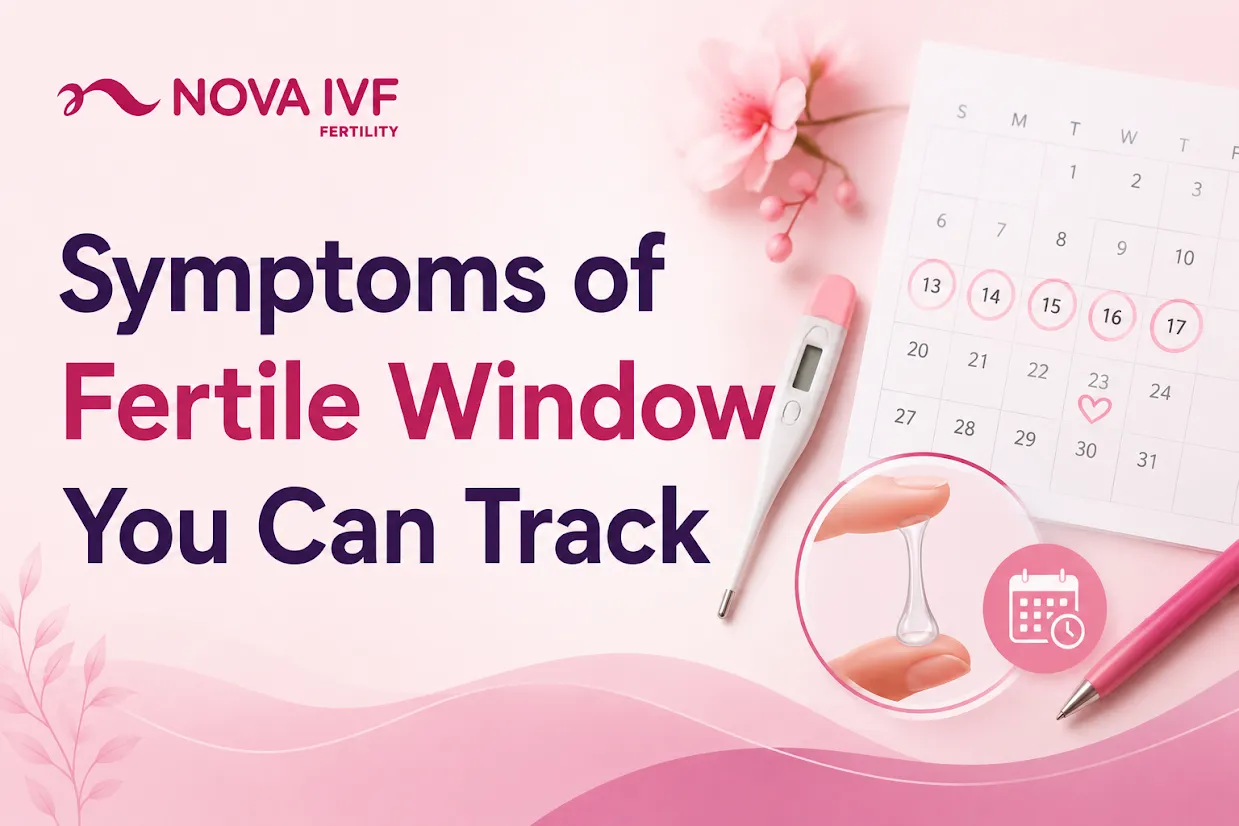
When you are trying to conceive, knowing when to have intercourse can sometimes feel like a guessing game. You may track your periods, count the days of your cycle, or look for signs of ovulation, yet still wonder whether you are choosing the right time. This is where understanding the fertile window and its meaning can help.
This guide explains what the fertile window is, how it relates to ovulation, how to estimate your fertile days after your period, and which signs may help you recognise this time in your cycle.
What Is the Fertile Window?
The fertile window is the six-day period in a menstrual cycle when pregnancy is most likely to occur. It includes the five days before ovulation and the day of ovulation itself.
The length of this window is based on how long sperm and the egg remain viable:
- Sperm longevity: Healthy sperm can survive in the female reproductive tract for up to five days under favourable conditions.
- Egg lifespan: After ovulation, the released egg remains viable for about 12 to 24 hours.
Because the egg lives for less than a day, having live sperm already waiting inside the fallopian tube before the egg is released increases the chances of fertilization. Planning intercourse during these peak six days ensures that sperm and egg can meet at the exact right moment.
The table below shows how these days fall around ovulation:
| Time | What it means for conception |
|---|---|
| 5 to 2 days before ovulation | Sperm can survive in the reproductive tract and may be present when the egg is released. |
| 1 day before ovulation | The likelihood of conception is highest around this time. |
| Ovulation day | The egg is released and remains viable for about 12–24 hours. |
According to the American Society for Reproductive Medicine (ASRM), the highest likelihood of conception occurs when intercourse takes place during the two days before ovulation. Therefore, the days immediately before ovulation are particularly important when trying to conceive.
Ovulation and the Fertile Window: How They Are Connected
Ovulation and fertile window are closely connected because ovulation determines when the fertile window occurs. Ovulation is the release of a mature egg from the ovary and typically occurs about 14 days before the next period. Since menstrual cycles vary in length, the timing of ovulation and the fertile window can also vary from one cycle to another.
The menstrual cycle consists of different phases, each associated with hormonal and reproductive changes. The table below shows where ovulation and the fertile window fit within the cycle.
| Cycle Event | Duration | What Happens |
|---|---|---|
| Follicular Phase | 10 to 14 days on an average | Starts on the first day of your period. Follicles mature and estrogen rises, supporting the development of cervical mucus. |
| Fertile Window | 6 continuous days | Prepares the environment so sperm can meet the egg. |
| Ovulation Day | About 14 days before the next period starts | The mature egg is released from the ovary and becomes available for fertilisation. |
| Luteal Phase | After ovulation; usually about 12–14 days | Progesterone rises and prepares the uterine lining for a possible pregnancy. |
Because ovulation does not always occur on the same cycle day, the fertile window can shift between cycles. A longer or shorter menstrual cycle can therefore change the calendar dates on which ovulation and the fertile window are expected. Understanding how your menstrual cycle works can help you understand when ovulation and the fertile window are likely to occur.
How to Calculate Fertile Days After Your Period
Once you understand fertile window meaning and how ovulation varies with cycle length, you can use your usual menstrual cycle pattern to estimate your fertile days after period. Calendar tracking provides an estimate rather than a precise confirmation of ovulation.
1. Determine your average cycle length
Track the first day of full menstrual bleeding across several consecutive cycles. Day 1 is the first day of full menstrual bleeding. Count the total number of days from Day 1 of one period to Day 1 of the next period, then use your cycle history to estimate your average cycle length.
2. Estimate your ovulation day
Subtract 14 days from your average cycle length.
For example:
- 28-day cycle: 28 − 14 = Day 14
- 32-day cycle: 32 − 14 = Day 18
These are estimates because ovulation can vary between cycles.
3. Estimate the start of your fertile window
Count back five days from your estimated ovulation day.
For example:
- 28-day cycle: Estimated ovulation on Day 14 → fertile window approximately Days 9–14
- 32-day cycle: Estimated ovulation on Day 18 → fertile window approximately Days 13–18
4. Time intercourse during the estimated window
If you are trying to conceive, intercourse every 1–2 days during the estimated fertile window can help provide regular opportunities for conception.
Calendar calculations are most useful when cycles follow a relatively consistent pattern. If your periods are irregular or your ovulation timing changes considerably between cycles, calendar calculations alone may not accurately identify your fertile days. In such cases, combining cycle tracking with physical signs of ovulation or other methods like an online Fertility Calculator may provide additional information.
Fertile Window Symptoms You Can Track
Calendar calculations can estimate when ovulation may occur, but physical changes around ovulation can provide additional clues about where you are in your cycle. Common signs and symptoms of fertile window include:
- Changes in cervical mucus:
As estrogen increases before ovulation, cervical mucus becomes clear, slippery, and stretchy, resembling raw egg whites. This fertile mucus protects sperm and helps sperm swim upward through the cervix.
- Basal body temperature (BBT) shift:
Resting body temperature drops slightly right before ovulation and rises by 0.5 to 1.0 degree Fahrenheit immediately after ovulation due to progesterone release. Tracking BBT confirms ovulation after it has happened.
- Mittelschmerz (ovulation pain):
Some women experience mild, one-sided lower pelvic twinges or cramping when the follicle ruptures to release the egg.
- Increased libido:
Hormonal surges, particularly rising estrogen and testosterone, naturally elevate sex drive during your most fertile days.
- Breast tenderness or mild bloating:
Fluctuating hormonal levels right around ovulation can cause mild breast sensitivity or slight fluid retention.
When Fertile Window Tracking Isn't Enough: Talk to a Specialist
Tracking your fertile cycle at home is a practical starting point, but home tracking methods have limits. Irregular cycles, thyroid imbalances, polycystic ovary syndrome (PCOS), or unpredictable stress can delay or prevent consistent ovulation.
Consider scheduling an evaluation with a fertility specialist if you meet any of the following criteria:
- You are under 35 years old and have been trying to conceive for 12 months without success.
- You are 35 years or older and have been trying to conceive for 6 months without success.
- You experience irregular, unpredictable, or absent menstrual periods.
- Ovulation predictor kits (OPKs) consistently yield negative or confusing results.
When home tracking does not provide enough clarity, a Follicular Study can help. This serial ultrasound monitoring tracks follicle development and can help identify when ovulation is occurring. If irregular ovulation or other fertility factors are affecting conception, treatments such as IUI Treatment may be considered depending on the underlying cause and individual fertility assessment.
If you are unsure about your ovulation pattern or have been trying to conceive without success, consulting a Nova IVF Fertility specialist can help you understand your options and whether further evaluation may be appropriate.
Frequently Asked Questions
How many days after your period will you be fertile?
In a standard 28-day cycle, bleeding usually lasts 3 to 7 days, and fertility begins around day 9. If you have a shorter cycle (such as 21 to 24 days), your fertile timeframe can begin much earlier, sometimes just 2 to 3 days after your period ends.
How can I check my fertile window?
You can check your fertile timeframe by tracking your menstrual cycle length on a calendar, monitoring changes in cervical mucus texture, using over-the-counter ovulation predictor kits (OPKs) to detect LH surges, and logging daily basal body temperature changes.
Can you get pregnant right after your period ends?
Yes, pregnancy right after your period ends is possible, especially if you have short menstrual cycles or extended period bleeding. Because sperm can survive inside the female body for up to 5 days, intercourse taking place immediately after bleeding stops can lead to fertilization if ovulation occurs early.