 Self-cycleTM IVF


-
-
-
 Infertility Counselling
-
 Female Infertility Treatment
-
 Andrology Treatment
-
 Fertility Enhancing Surgeries - Female
-
 Fertility Enhancing Surgeries - Male
-
 Endoscopy Treatment
-
 IUI Treatment
-
 IVF Treatment
-
 ICSI Treatment
-
 Advance IVF Solutions
-
 Embryology
-
 Vitrification Egg, Embryo, Sperm Freezing
-
 Preimplantation Genetic Testing (PGT)
-
 Donation Program Embryo / Egg / Sperm
-
 Self-cycleTM IVF
-
-
-
-
-
Foods to Eat to Improve Fertility Naturally
Foods to Eat to Improve Fertility Naturally
The food you eat doesn’t just affect your mental and physical health; it also affects your reproductive health. When you’re trying to conceive, you should eat well-balanced meals at regular intervals. Ideally, your diet should be rich in vitamin C and D, Zinc, Selenium and Folic Acid. At the same time, processed foods, sodas, high glycemic- index foods and deli meat should be avoided. On that note, here are a few food items that improve fertility.
Read About exploring your fertility treatment options
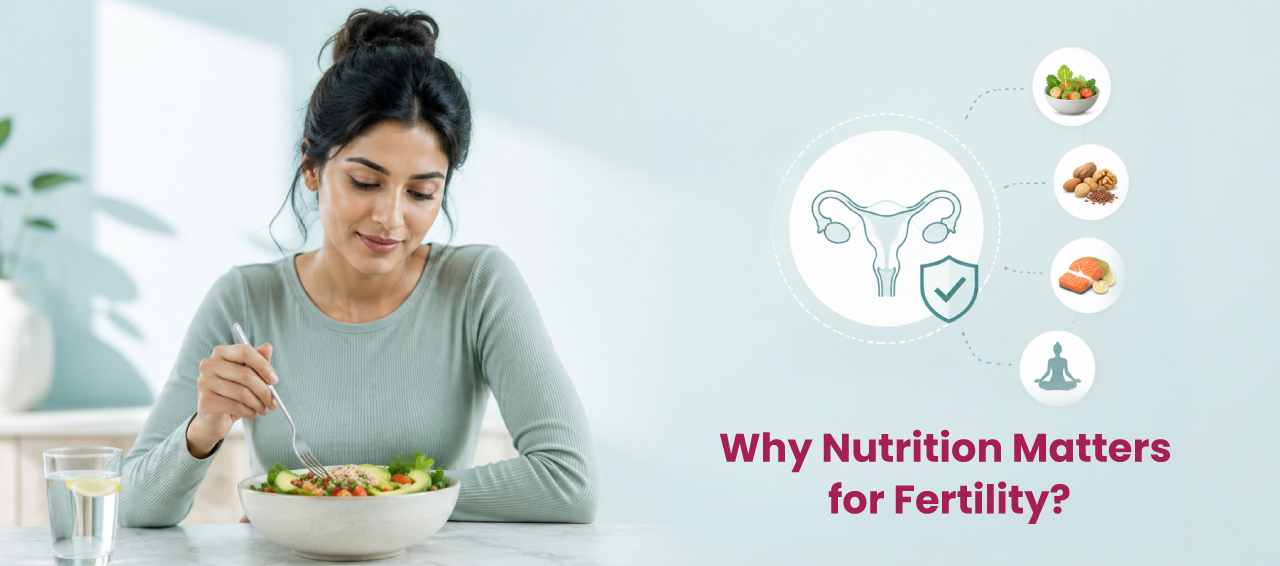
Why Nutrition Matters for Fertility
Fertility depends on much more than timing. The body needs a steady supply of nutrients to support ovulation, hormone production, and healthy sperm formation. If the diet is low in key vitamins and minerals, menstrual cycles may become less predictable, and sperm parameters may also drop. For this reason, doctors often advise couples to include fertility-boosting foods daily instead of depending only on tablets.
Diet also affects body weight, insulin levels, and inflammation, all of which play a role in reproductive health. Women with very low or high body weight often have hormonal disruption that can affect ovulation. In men, excess weight is also linked with poorer semen quality in many studies. A balanced diet to increase chances of pregnancy should naturally provide nutrients such as folate, zinc, selenium, vitamin D, vitamin C, and omega-3 fatty acids. These nutrients are important for hormone production and for protecting egg and sperm cells from oxidative stress-induced damage.
Certain foods that increase fertility may also support the uterus and improve the overall reproductive environment. Diet cannot solve every fertility condition, but regularly eating the best foods for fertility can improve general reproductive health and support better outcomes over time.
Below are top foods to eat to improve fertility naturally
Walnuts
Walnuts are great for sperm morphology and motility. They are also rich in omega 3 fatty acids that help boost sperm vitality. Walnuts can be added to salads and desserts or eaten separately as a snack. You can consume up to 75gms of walnuts each day.
Tomatoes
Tomatoes are rich in lycopene. This is beneficial for sperm health and male fertility. Lycopene is generally higher in cooked tomatoes rather than in raw ones. In addition to this, tomatoes are also rich in anti-oxidants. These anti-oxidants protect the sperm from damage caused by free radicals and improve sperm activity and motility.
Lentils
Lentils are a rich source of folic acid, especially for men who follow a vegetarian diet. Without adequate folic acid, the body will not be able to produce healthy sperm. There is a high risk that the sperm produced will have chromosomal abnormalities. The quantity of sperm produced may also be affected.
Pomegranate
Pomegranates can improve sperm health in a number of ways. Most importantly, they are great sources of antioxidants that help boost testosterone levels. This enhances a man’s sex drive and improves the quality of sperm being produced.
Dark Chocolate
Chocolate is known as an aphrodisiac that boosts libido. In addition, it also helps improve sperm motility and sperm count. There are many types of dark chocolate available and the darker the chocolate, the healthier your sperm will be.
Garlic
Garlic is rich in allicin and selenium. Allicin improves blood circulation in the sexual organs and protects sperm from being damaged. Selenium is an anti-oxidant that improves motility. If you’re trying to have a baby, try eating one or two cloves of garlic a day.
Water
In addition to eating right, you should also drink plenty of water. Ideally, you should drink at least 8 glasses of water a day. This helps keep your body hydrated and is an essential element of semen production. Not drinking enough water can affect sperm production as semen is mostly water.
Related Blog: Foods to Avoid While Trying to Conceive: Expert Guide
Foods to Avoid for Fertility Issues
Some eating habits can reduce fertility potential even if the rest of the diet is healthy. When trying to conceive, doctors usually recommend limiting foods that are linked with hormone imbalance, insulin issues, or increased inflammation.
- Caffeine (in excess): may affect cycle regularity in some women
- Alcohol: can reduce sperm quality and disturb hormone function
- High-mercury fish: avoid fish like shark and swordfish
- Trans fats: common in deep-fried and packaged bakery foods
- Too much sugar: may affect insulin control and ovulation
- Soft drinks: high sugar intake may affect metabolic health
- Processed and deli meats: frequent intake is linked with poorer fertility outcomes
- Highly processed packaged foods: often contain unhealthy fats and additives
Limiting these foods helps the body respond better to a fertility-friendly diet and supports the effect of fertility-boosting foods.
Simple Pregnancy Diet Plan
This is an easy meal plan that includes the best foods for fertility and can be followed at home.
Breakfast: Greek yoghurt with berries + walnuts
Mid-morning snack: Orange or sweet lime + water
Lunch: Cooked lentils with brown rice + spinach or mixed greens + cooked tomatoes
Evening snack: Pomegranate + small piece of dark chocolate
Dinner: Grilled salmon or sardines (or tofu/paneer for vegetarians) + salad + garlic-based vegetables
This includes foods that improve fertility and give nutrients that support both egg & sperm health. Before starting any planned diet for conception, it is better to consult your doctor, since the right foods that increase fertility can differ based on your health and medical history.
Related Fertility Blogs