 Self-cycleTM IVF


-
-
-
 Infertility Counselling
-
 Female Infertility Treatment
-
 Andrology Treatment
-
 Fertility Enhancing Surgeries - Female
-
 Fertility Enhancing Surgeries - Male
-
 Endoscopy Treatment
-
 IUI Treatment
-
 IVF Treatment
-
 ICSI Treatment
-
 Advance IVF Solutions
-
 Embryology
-
 Vitrification Egg, Embryo, Sperm Freezing
-
 Preimplantation Genetic Testing (PGT)
-
 Donation Program Embryo / Egg / Sperm
-
 Self-cycleTM IVF
-
-
-
-
-
Primigravida Pregnancy: Meaning, Risks, and Prenatal Care After 35
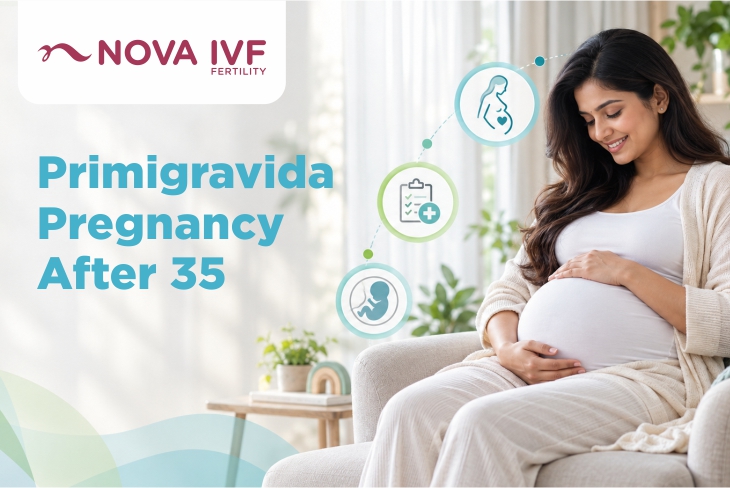
For many women, the first time they see a positive pregnancy test is exciting, along with plenty of questions about what comes next. If this is your first pregnancy after age 35, you may also be wondering whether your age will affect how your pregnancy is monitored, or what care you and your baby may need. In medical terms, a first pregnancy is referred to as a primigravida pregnancy, and pregnancy at age 35 or older may warrant more careful attention due to some age-related issues. This guide explains what primigravida means, how maternal age can affect pregnancy, and what prenatal care may involve after 35.
What Is a Primigravida Pregnancy?
A primigravida pregnancy refers to a woman who is pregnant for the very first time, regardless of her age or method of conception. The term comes from the Latin primus (first) and gravida (pregnant), and it simply describes your obstetric status.
- Primigravida: A woman who is currently pregnant for the first time.
- Primipara: A woman who has given birth to her first child past the stage of fetal viability (typically 24 weeks of gestation).
- Multigravida: A woman who has experienced more than one pregnancy.
- Multipara: A woman who has completed two or more viable deliveries.
Being a primigravida is not a diagnosis or a problem; it is just a definition used in obstetrics to categorize the pregnancy. These definitions are one of the indicators that help the treating doctor to formulate the antenatal and delivery plan. Being defined as a primigravida tells your doctor that your body, including the muscles and cervix of your uterus, is going through labor and pregnancy for the first time.
Primigravida of Advanced Maternal Age: What It Means
Obstetricians call a pregnancy with a first child after 35 years of age or older a primigravida of advanced maternal age. In the past, this was called an "elderly primigravida" in medical literature. This old phrase has been replaced in modern healthcare with more respectful and objective language. Elderly gravida are again high risk pregnancies as they are more prone to develop medical conditions such as gestational diabetes, gestational hypertension, intra-uterine growth restriction, preterm labour and miscarriages/ still birth. However,iIt does not indicate that complications are certain.Thus, pregnancies at age >35 years require closer monitoring, to ensure early access to specialized screenings, closer blood pressure tracking, and individualised care plans. Understanding how age affects fertility and maternal physiology helps clinicians protect your health at every stage.
Why More Women Are Experiencing First Pregnancy After 35
Many people are having children later in life now than they did in the past. A study published in the American Journal of Human Biology found that the average age of mothers at their first birth has been steadily rising over the past few decades, especially in countries with high incomes.
There are many personal, professional, and financial factors that can affect when a couple decides to have a child:
- Career and Personal Milestones: Many women prioritise education and professional goals over starting a family.
- Financial Stability: Couples often prefer establishing financial and emotional security before having children.
- Later Partnerships: Evolving social patterns mean many people find their life partners in their 30s or early 40s.
- Fertility Innovations: Assisted Reproductive Technology (ART), such as IVF and egg freezing, makes it possible for people to become parents later in life.
As it has become common for women over 35 to become pregnant for the first time, doctors have set up clear care pathways to help them.
Risks of Pregnancy After 35
Even though most pregnancies in women over 35 go well, some medical issues are more likely to happen if the mother is older. A study in the Journal of Clinical Medicine revealed that women over the age of 40 are much more likely to have gestational diabetes, give birth early, or have a C-section.
Being aware of these potential risks helps your medical team monitor your health and intervene early when necessary:
| Risk | What It Means |
|---|---|
| Gestational Diabetes | Blood sugar levels become higher than normal during pregnancy. |
| Gestational Hypertension | High blood pressure develops during pregnancy, usually after 20 weeks. |
| Preeclampsia | High blood pressure after 20 weeks with protein in the urine or signs of organ dysfunction. |
| Chromosomal Conditions | The likelihood of conditions such as Down syndrome increases with maternal age. |
| Prolonged Labour | Labour may take longer during a first birth. |
| Caesarean Delivery | The likelihood of a C-section may be higher in pregnancies after 35. |
It is important to remember that an increased risk does not mean complications will definitely occur. Regular antenatal care and close monitoring can help reduce these risks.
First Pregnancy After 35 vs Second Pregnancy After 35
A first pregnancy and a second pregnancy after 35 can involve different considerations based on previous pregnancy and birth history, labour experience, and recovery between pregnancies.
1. Uterine and Pelvic Adaptation
First labours often take longer than subsequent labours, although the duration and progression of labour vary from person to person. Previous vaginal or Caesarean delivery can also influence decisions about labour management in a subsequent pregnancy.
2. Previous Birth History
During a second pregnancy, your doctor has information about your previous pregnancy, delivery, and any complications that occurred. This history can help the healthcare team to personalise the antenatal and delivery plan.
A first-time mother does not have a previous birth history to guide this assessment, so doctors rely on current pregnancy findings, medical history, and ongoing monitoring.
3. Recovery Between Pregnancies
The time between deliveries can also matter. A 2024 prospective cohort study published in BMC Pregnancy and Childbirth found that a longer interval between births was associated with changes in pelvic-floor measurements, including a smaller levator hiatus area, suggesting that pelvic structures may continue to recover over time. The study also found differences in pelvic-floor measurements according to the mode of the second delivery.
These results should not be taken to mean that every woman needs a certain time between pregnancies or that a second pregnancy is always easier. Each person's recovery is different and depends on things like how they were delivered before, their pregnancy history, their mother's health, and other clinical factors.
Prenatal Care Essentials for Primigravida Pregnancy After 35
Hearing about possible complications can feel worrying, especially during your first pregnancy. However, regular prenatal care helps doctors identify and manage potential concerns early. Attending scheduled visits, staying in touch with your healthcare team, and maintaining healthy daily habits can support a safer pregnancy.
A consistent prenatal care routine can also give you greater confidence throughout pregnancy. Depending on your health, pregnancy history, and other risk factors, your doctor may recommend:
Early Baseline Tests
Routine blood tests to evaluate thyroid function, liver and kidney parameters, and baseline blood sugar.
First-Trimester Screening
A nuchal translucency (NT) scan combined with biochemical markers or cell-free DNA (NIPT) between weeks 11 and 13 to assess chromosomal health.
Detailed Anomaly Ultrasound
A targeted level-II ultrasound between weeks 18 and 20 to carefully examine fetal anatomy and organ development.
Glucose Tolerance Assessment
Earlier and more routine oral glucose screening to catch and manage gestational diabetes promptly.
Growth and Doppler Scans
Serial third-trimester ultrasounds to monitor fetal weight gain, amniotic fluid levels, and placental blood flow.
Targeted Supplementation
Medical-grade prescriptions of folic acid (or methylfolate), iron, calcium, and vitamin D to support development.
When to Consult a Fertility or Obstetric Specialist
If you are 35 or older and planning your first pregnancy, a preconception evaluation is a helpful first step. Your doctor can assess your ovarian reserve, review your general health, and offer lifestyle guidance. You can also try using a fertility calculator by age or read more about the biological factors that influence the best age to get pregnant.
If you have been trying to conceive naturally for six months without success, an organised fertility assessment process can identify any underlying concerns without unnecessary delays. If you have previously been pregnant but are now having difficulty conceiving again, such a situation is known as secondary infertility.
If you are already pregnant, seek prompt medical advice if you experience any of the following symptoms:
- Vaginal spotting or bleeding
- Severe or persistent abdominal cramping
- Sudden swelling in your hands, feet, or face
- Persistent headaches or changes in vision
- A clear reduction in fetal movements during the third trimester
Whether you are seeking preconception guidance, fertility care, or specialized prenatal tracking, the team at Nova IVF Fertility is available to support your path to parenthood with evidence-based, compassionate care.
Frequently Asked Questions
What age is primigravida?
Primigravida applies to first-time pregnancy at any age. When a woman experiences her first pregnancy at age 35 or older, doctors clinically refer to it as a primigravida of advanced maternal age.
Does IVF increase the chances of a healthy pregnancy after 35?
IVF can help women over 35 achieve pregnancy when age-related fertility decline or other fertility factors make natural conception more difficult. However, IVF does not eliminate the age-related risks associated with pregnancy. Regular prenatal care remains important for monitoring maternal and fetal health throughout pregnancy.
Can a healthy pregnancy happen after 35 without complications?
Yes. Many women in their mid-to-late 30s and beyond experience smooth pregnancies and deliver healthy babies. Prenatal care helps identify and manage complications early, while healthy habits support maternal and fetal health.
Is primigravida a high-risk pregnancy?
A first pregnancy is not automatically high-risk on its own. However, when combined with factors like maternal age over 35, multiple gestations, or pre-existing medical conditions, doctors recommend closer monitoring to keep mother and baby safe.