 Self-cycleTM IVF


-
-
-
 Infertility Counselling
-
 Female Infertility Treatment
-
 Andrology Treatment
-
 Fertility Enhancing Surgeries - Female
-
 Fertility Enhancing Surgeries - Male
-
 Endoscopy Treatment
-
 IUI Treatment
-
 IVF Treatment
-
 ICSI Treatment
-
 Advance IVF Solutions
-
 Embryology
-
 Vitrification Egg, Embryo, Sperm Freezing
-
 Preimplantation Genetic Testing (PGT)
-
 Donation Program Embryo / Egg / Sperm
-
 Self-cycleTM IVF
-
-
-
-
-
Testicular Atrophy Treatment: How to Address Testicle Shrinkage
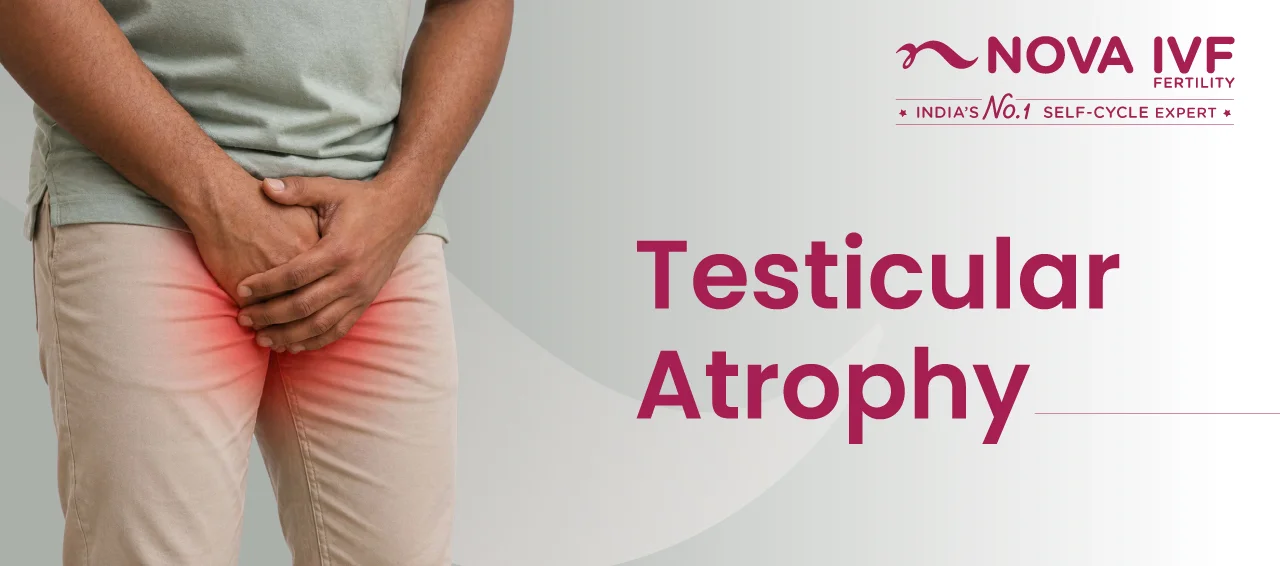
Testicular Atrophy
Testicles are one of the most important components of the male reproductive system. They serve an important function of producing sperm and testosterone. The testicles play a vital role in the sexual development of a male when they reach puberty. The size and shape of the testicles also plays an important influence on the fertility of a man.
Testicular atrophy, a medical condition related to your reproductive system, can severely impact your fertility. This is usually a symptom of an underlying disease that can lead to irreversible shrinkage of the testicles. This article explores the testicular atrophy’s cause, symptoms, treatment options, and more. Keep reading to learn more about this condition.
What Is Testicular Atrophy?
The shrinking of testicles because of an infection, alcohol abuse, or the use of steroids is referred to as testicular atrophy. The testicles or testes are two male reproductive glands inside the scrotum that are responsible for the production of sperm and sex hormones.
It is a medical condition that is caused due to a loss of some Leydig cells and germ cells and can affect any male. The germ cells produce sperms and Leydig cells create testosterone. The shrinkage of testicles leads to a decrease in sperm count and/or testosterone levels.
Aging, infections, are underlying medical disorders are some of the causes of testicular atrophy. Many people confuse testicular atrophy with the natural shrinkage and expansion of the scrotum as a result of exposure to heat or cold. Testicular atrophy is not the same as this and requires medical attention for diagnosis and treatment.
What Are the Symptoms of Testicular Atrophy?
A visible shrink in the size of testicles is the most prominent symptom of this condition. If it affects boys before puberty, additional symptoms include absence of secondary sexual characteristics such as facial hair, pubic hair and increase in penile size. On the other hand, if it affects boys who have already gone through puberty, it can cause decreased libido, infertility, reduced muscle mass, absent or reduced facial hair growth and pubic hair growth, and make testicles feel softer than normal.
If the shrinkage of testicles is caused by an underlying condition, the affected male may also experience fever, nausea, inflammation, and pain in the testicles as symptoms of testicular atrophy.
When to See a Doctor?
Here are some of the warning signs that warrant a doctor’s visit immediately:
Significant Shrinkage of Testicles
Shrinkage of testicles is the most evident sign of testicular atrophy. Thus, as soon as you notice any significant shrinkage in your testicles, you ought to visit the doctor to get it checked.
Since testicular atrophy can impact your fertility, visiting a skilled andrologist, like the doctors at Nova IVF Fertility becomes imperative in family planning.
Discomfort/Pain in the Testicles
Although all causes of testicular atrophy don’t cause pain, experiencing pain along with testicular shrinkage can be a sign of an infection. You ought to seek urgent medical attention in such cases.
Sexual Dysfunction
If you are experiencing any signs of sexual dysfunction, such as low libido, erectile dysfunction, or trouble in orgasming, you are advised to visit an andrologist and get yourself checked. Testicular atrophy can lead to irreversible infertility in severe cases.
Lumps in the Testicles
If you have noticed that your testicles appear to have masses or lumps inside them, you must visit the doctor immediately and get screening tests done for testicular cancer.
If you notice a minor change in the size of your testicles and other symptoms like excessive fatigue, feeling low, or unexplained muscle loss, it is best to consult a doctor and get yourself checked for testicular atrophy or other possible causes.
What Are the Causes of Testicular Atrophy?
Here is a list of plausible causes of testicular atrophy:
Age
The risk of testicular atrophy also increases with age. This is because as the age of a man increases, his testosterone levels start to decrease after his peak reproductive years.
Orchitis
This condition is usually the result of an inflammation of the testicles or orchitis. Orchitis triggered by viral infections like Mumps is known as viral orchitis, while orchitis triggered by a sexually transmitted disease is usually known as bacterial orchitis.
Hormone Imbalance
In some cases, testicular atrophy can also be caused by hormonal imbalance if the body produces less testosterone than usual. Testosterone replacement therapy (TRT) and the use of oestrogen, anabolic steroids, and certain medications can cause hormonal imbalance that may lead to the shrinking of testicles.
Excessive Alcohol Usage
Excessive alcohol consumption regularly can lead to a decline in testosterone levels in the body and cause testicular tissue damage, which may lead to testicular atrophy.
Testicular Torsion
Testicular torsion occurs when a testicle rotates and the spermatic cords (cords that connect the testicles to the reproductive tract) are twisted. This condition causes swelling and pain in the testicles in addition to reduce blood flow to the testicles. If left untreated, testicular torsion can lead to permanent testicular atrophy.
Testicular Cancer
Testicular atrophy can also be caused by testicular cancer in rare cases. Testicular cancer usually affects younger men more than older men, but it is highly treatable.
Varicocele
In this condition, the veins in the scrotum become enlarged. Usually, varicocele occurs in the left testicle only. Many people who have varicocele often don’t realise that they have this condition as there may be no noticeable symptoms. However, if you pay attention, you may be able to observe that the left testicle appears smaller.
Infectious Diseases
Infectious diseases, such as mumps and human immunodeficiency virus (HIV), can cause testicular atrophy. The reversal of testicular atrophy is dependent on the severity of the infection and the treatment used.
How Is Testicular Atrophy Diagnosed?
An andrologist or urologist can help with the diagnosis of testicular atrophy. The doctor will conduct a physical examination of the testicles and observe the size, shape, texture, and firmness of the testicles to diagnose testicular atrophy. They will likely ask questions about the symptoms, starting date of the symptoms, person’s lifestyle, medical history of the person, and current medication.
If needed, the doctor may also recommend some diagnostic test, such as the ones mentioned below, to figure out the cause of the condition:
- Ultrasound of testicles to observe blood flow and detect possible abnormalities
- Blood tests to rule out infections
- Urine test or swabs to test for sexually transmitted infections (STIs)
- Blood test to check hormonal imbalance
What Is the Treatment of Testicular Atrophy?
Testicular atrophy can be treated. If diagnosed early enough, it can be easily reversed. However, if it is left till a later stage, it may not be reversible. Treatment depends largely on the factors triggering the atrophy. Hence, it is important to consult a doctor as soon as you notice symptoms of testicular atrophy, confirm the diagnosis, and start the treatment.
In some cases, making a few lifestyle changes may be enough to treat the testicular atrophy. If it is caused by a sexually transmitted infection, antibiotic therapy may be required.
Possible treatment options for testicular atrophy include the following:
Antibiotics
This line of treatment works best in case of testicular atrophy caused by an infection or STIs.
Hormone Replacement Therapy (HRT)
Hormone replacement therapy (HRT) with is a management strategy, especially for those people who have testicular atrophy due to low testosterone levels. This strategy helps in increasing the total testosterone levels in the body and bring them to an optimum level.
Surgery
Surgery is usually not the most preferred form of treatment for testicular atrophy; but it is recommended when the shrinkage of your testicles is caused by testicular torsion.
Lifestyle Changes
Some lifestyle changes such as quitting smoking and limiting alcohol intake are recommend preventing further damage to the testicles and treat the shrinkage of your testicles.
Although some people claim that natural treatment methods, like ayurveda, can cure testicular atrophy. However, there is not enough clinical date to support this claim. As of yet, there is no proven way to naturally reverse the shrinkage of your testicles; waiting for even a few hours can prove to be detrimental for recovery.
What Are the Risks of Testicular Atrophy?
Testicular atrophy is a risk factor for some of the common diseases related to male infertility. Here is a list of some risks of testicular atrophy:
Erectile Dysfunction
Erectile dysfunction or ED is one of the common implications of testicular atrophy that is a result of low testosterone levels in the body. The deficiency of this hormone is the cause behind erectile dysfunction due to testicular atrophy.
Infertility
As you are now aware, testicular atrophy can cause a significant drop in the body’s testosterone production in addition to lowering sperm production in the testicles. If a male has testicular atrophy in both their testicles (also called bilateral atrophy), it can severely impact sperm production and testosterone levels in the body, which can lead to infertility.
Psychological Problems
A lack of confidence and increased levels of stress is common in people with testicular atrophy. If you have testicular atrophy, you must visit a skilled andrologist to get your testicles checked.
Testicular Cancer
Testicular cancer is another risk of testicular atrophy, and people who are affected this condition are recommended to get regular screening for testicular cancer.
What are the risks of testicular atrophy?
The risks of testicular atrophy mainly depend on whether the shrinkage is affecting one testicle or both. Early evaluation and timely testicular atrophy treatment play an important role in preventing permanent damage and improving long-term testicle shrinkage management.
- Infertility: Testicular atrophy can reduce sperm production. If both testicles are affected, fertility problems are more common and may require fertility restoration strategies.
- Low testosterone: The testicles produce testosterone. When testicular tissue is damaged, testosterone levels may drop, causing fatigue, low libido, and mood-related symptoms.
- Low sperm count: Some men develop reduced sperm count, which can lower the chances of natural pregnancy.
- Erectile dysfunction: Low testosterone linked to testicle shrinkage can affect erections and sexual performance, so proper testicle shrinkage management is important.
- Testicular cancer risk: Long-standing atrophy may raise cancer risk. Regular follow-up is often advised as part of long-term male reproductive health care.
- Psychological stress: Changes in testicular size and fertility worries can affect confidence and emotional well-being.
- Delayed fertility recovery: If treatment is delayed, reversing testicular atrophy becomes less likely, even with proper testicular atrophy treatment.
Treatment depends on the cause. Testicular atrophy treatment options may include infection treatment, varicocele care, torsion surgery, or hormone support. For fertility, fertility-focused atrophy therapy and sperm freezing may be considered under male reproductive health care and fertility restoration strategies.
FAQs
Q1. What is testicular atrophy?
Testicular atrophy means one or both testicles become smaller than normal because the tissue loses function.
Q2. What can lead to testicular atrophy?
Testicular atrophy may develop after infections like orchitis, varicocele, testicular torsion, injury, hormonal imbalance, heavy alcohol use, or anabolic steroid intake.
Q3. What is the best testicular atrophy treatment?
The best treatment for testicular atrophy is addressing the underlying cause early, such as treating an infection, correcting torsion, or stopping steroid use.
Q4. Can testicular atrophy be reversed with treatment?
Treatment for testicular atrophy is primarily aimed at preventing worsening and protecting testicular function. Recovery depends on the cause and the timing of treatment initiation.
Q5. Is there any testicular atrophy cure?
A complete testicular atrophy cure may not always be possible. In many cases, treatment focuses on stopping progression and protecting fertility and hormone levels.
Q6. Can reversing testicular atrophy improve fertility?
Yes, reversing testicular atrophy may improve sperm production if the cause is treated early and testicular function is still present.
Q7. Does testicular atrophy always cause infertility?
No. If one testicle is normal and functioning well, fertility may still remain normal.
Q8. How is testicular atrophy diagnosed?
Diagnosis usually includes physical examination, hormone testing, semen analysis, and scrotal ultrasound as part of proper male reproductive health care.
Q9. Can testicular atrophy affect testosterone levels?
Yes. Severe or bilateral atrophy can reduce testosterone production.
Q10. What are the testicular atrophy treatment options for fertility?
Depending on sperm status, testicular atrophy treatment options may include semen testing, sperm freezing, and fertility procedures as part of fertility restoration strategies.