 Self-cycleTM IVF



-
-
-
 Infertility Counselling
-
 Female Infertility Treatment
-
 Andrology Treatment
-
 Fertility Enhancing Surgeries - Female
-
 Fertility Enhancing Surgeries - Male
-
 Endoscopy Treatment
-
 IUI Treatment
-
 IVF Treatment
-
 ICSI Treatment
-
 Advance IVF Solutions
-
 Embryology
-
 Vitrification Egg, Embryo, Sperm Freezing
-
 Preimplantation Genetic Testing (PGT)
-
 Donation Program Embryo / Egg / Sperm
-
 Self-cycleTM IVF
-
-
-
-
-
Exploring Unexplained Female Infertility: Causes and Diagnosis
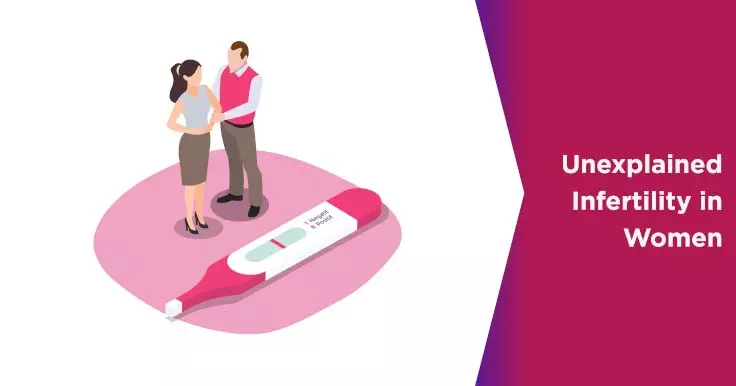
Infertility, as is known, is the inability of a woman to conceive after 1 year of unprotected intercourse. In such cases, doctors conduct a wide range of fertility tests in order to understand the exact reason behind such a condition.
According to Dr Nisha Pansare, IVF Specialist at Nova IVF, Pune, infertility refers to the inability to conceive after 12 months of regular unprotected sex. For women above 35, evaluation is generally considered after six months. Female infertility can be linked to problems involving the uterus, fallopian tubes or ovaries. Uterine factors may include changes in the uterine lining, endometriosis, previous tuberculosis or infections. Blocked or damaged fallopian tubes can result from past infections, hydrosalpinx, tuberculosis or surgery for conditions such as ectopic pregnancy. Ovarian factors may include ovulatory disorders such as polycystic ovarian dysfunction. Hormonal factors, including thyroid and prolactin levels, may also need evaluation.
Infertility Tests
Doctors perform the following tests in women having problems of infertility:
- Thorough understanding of the medical and sexual history of the person
- Physical examination
- Examination of women's ovaries and their ovulation pattern
- Conducting hysterosalpingogram, an X-ray of the uterus and fallopian tubes of women to check whether they are normal
- Semen Analysis for husband
If the doctors fail to detect the reason for infertility even after conducting all these tests, such a condition is called unexplained infertility in women. The doctors use their experience and expertise to diagnose this type of infertility.
Explore the range of infertility treatments offered
Causes of Idiopathic Infertility
The main causes for this unexplained, also known as idiopathic infertility are given below:
- Ovum is not released at the appropriate time of fertilization
- Egg fails to reach the fallopian tube
- Sperm is unable to reach the egg for fertilization
- Zygote does not reach the uterus
- The problem in implantation of zygote
Read About our fertility test package
Idiopathic infertility is found in 30% of women. A thorough assessment of ovulation helps the doctor to identify this type of infertility. The menstrual abnormalities are investigated for hyperprolactinemia, thyroid disease, and polycystic ovarian syndrome.
Also, ovulation is assessed using urinary luteinizing hormone (LH) ovulation predictor kits, endometrial biopsy for endometrial growths, basal body temperature (BBT) recordings, and mid-luteal serum progesterone testing.
Another way of zeroing onto idiopathic infertility involves assessing the ovarian reserve. Aged women with a prior history of ovarian surgery can be at risk of a lower ovarian reserve, which can cause infertility.
Doctors also investigate the uterus contour and fallopian tubes of women using the hysterosalpingography method to check whether the uterus, cul-de-sac and fallopian tubes are in good condition.
Related Blog: Exploring Possible Reasons for Unexplained Infertility
Related Fertility Blogs