 Self-cycleTM IVF


-
-
-
 Infertility Counselling
-
 Female Infertility Treatment
-
 Andrology Treatment
-
 Fertility Enhancing Surgeries - Female
-
 Fertility Enhancing Surgeries - Male
-
 Endoscopy Treatment
-
 IUI Treatment
-
 IVF Treatment
-
 ICSI Treatment
-
 Advance IVF Solutions
-
 Embryology
-
 Vitrification Egg, Embryo, Sperm Freezing
-
 Preimplantation Genetic Testing (PGT)
-
 Donation Program Embryo / Egg / Sperm
-
 Self-cycleTM IVF
-
-
-
-
-
Unexplained Infertility Causes and Considerations

Women's fertility is a standard to determine how healthy they are in their reproductive age whether they plan for pregnancy or not. Irregular menses, pelvic pain, heavy blood flow, PCOS, PMS, mood swings, and the inability to conceive are the red flags that women need to take care of, and seek immediate medical assistance.
The current lifestyle of women makes them susceptible to many complications, affecting their reproductive health, making them infertile and incapable of bearing children. Sometimes the causes are easily diagnosed and treated, while at other times doctors find it hard to narrow down on the right cause of infertility - this type of infertility is termed as idiopathic or unexplained infertility.
Learn More About our fertility test package
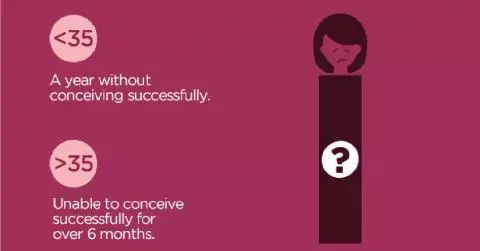
According to Dr Rajitha Yarlagadda, Fertility Specialist at Nova IVF, Bengaluru, unexplained infertility refers to cases where a woman ovulates regularly, both fallopian tubes are open and the sperm count is normal, yet pregnancy does not occur. It may be considered after one year of trying for couples below 35, or after six months for those above 35. According to Dr Yarlagadda, ultrasound can confirm ovulation but cannot assess egg quality, fertilisation capacity or embryo development. Treatment may initially involve medication and timed intercourse. If pregnancy does not occur, further treatment such as injections, insemination or IVF may be considered based on the couple’s situation.
Conventional treatment for women with idiopathic infertility includes drugs that stimulate the ovaries to produce more ovum. After that couple can try normal sexual activity Intra Uterine Insemenation is another common treatment for unexpected Infertility. However, the ultimate solution is in-vitro fertilization (IVF) which is the external fertilization of sperm and egg and transfer of the embryo in the uterus.
Related Blog: Exploring the Mystery of Unexplained Infertility in Women
Although the exact causes of idiopathic infertility are unknown, the following causes are believed to be associated with them:
Autoimmune diseases:
Some autoimmune diseases such as rheumatoid arthritis, Hashimoto's thyroiditis, and celiac disease cause damage to body tissues including the embryo. Such diseases can also cause frequent miscarriages and conception failure.
- Thyroid: Malfunctioning of the thyroid glands leads to the greater possibility of anovulatory cycles, a condition where no egg is released, although the affected woman may get her menses regularly. Drop in thyroid leads to a decrease in the production of sex hormone binding globulin. It also causes increased production of prolactin, a hormone that triggers breast milk production that inhibits ovulation, causing infertility.
- Exposure to toxins: Toxic elements such as mercury and lead cause high rate of infertility in women. Another toxin called xenoestrogen, a chemical that mimics estrogen (an important female hormone), also affects the fertility of women as they increase the levels of estrogen in the body and upset the hormone balance. Parabens, phthalates, and other chemicals found in the body-care products, etc., also contribute largely in affecting the fertility of women.
- Increased stress levels: High level of stress significantly affects the fertility in women. This is because, in any kind of physical or emotional stress, levels of cortisol (stress hormones) increase immensely and target the progesterone hormone. When levels of progesterone go down, the fertility of the person is affected.
Thus, hormonal balance is extremely important to prevent Idiopathic infertility in women.
Related Fertility Blogs