 Self-cycleTM IVF


-
-
-
 Infertility Counselling
-
 Female Infertility Treatment
-
 Andrology Treatment
-
 Fertility Enhancing Surgeries - Female
-
 Fertility Enhancing Surgeries - Male
-
 Endoscopy Treatment
-
 IUI Treatment
-
 IVF Treatment
-
 ICSI Treatment
-
 Advance IVF Solutions
-
 Embryology
-
 Vitrification Egg, Embryo, Sperm Freezing
-
 Preimplantation Genetic Testing (PGT)
-
 Donation Program Embryo / Egg / Sperm
-
 Self-cycleTM IVF
-
-
-
-
-
Common Causes of IUI Failure: What You Need to Know

IUI or Intrauterine Insemination is a process in which a washed and concentrated sample of motile sperm cells is injected directly into the uterus unlike the natural way of conceiving where the sperm is released into the vagina. The aim of this procedure is to better the chances of fertilization by increasing the number of healthy sperms that reach the fallopian tubes to fertilize the released egg.
It can come to aid of couples who have been facing difficulties to conceive as well as for same-sex couples who will be unable to conceive naturally. IUI is also beneficial for couples with genetic issues who do not wish to pass on their genetic issues to the offspring and single mothers who wish to conceive.
Explore support for repeated IVF failure
The Factors that Determine the Success of IUI
It can be difficult to predict the success rate of IUI as every couple has a different response to it. Some of the factors that can influence the result are:
- Age of the woman
- The ovarian reserve
- The husband's sperm parameters
- The underlying cause of infertility
- Usage of certain drugs
- Other unidentified fertility conditions
According to Dr Krithika Devi, Fertility Specialist at Nova IVF Fertility, RA Puram, Chennai, IUI has a success rate of around 20% in the first cycle, meaning some couples may need multiple attempts. During IUI, the husband’s sperm is collected, processed and the active sperm are placed into the uterus at the appropriate time. However, fertilisation and other processes inside the reproductive tract cannot be monitored during IUI. Dr Devi explains that couples may try two to four IUI cycles, depending on their situation. If pregnancy does not occur after repeated attempts, the couple may be advised to consider IVF as the next treatment option.
Causes of IUI Failures
There are several causes that lead to IUI failures including the ones listed below:
- Poor quality eggs: Poor quality eggs tend to have chromosomal abnormalities and will remain undivided after fertilisation or to lead to weak embryos.
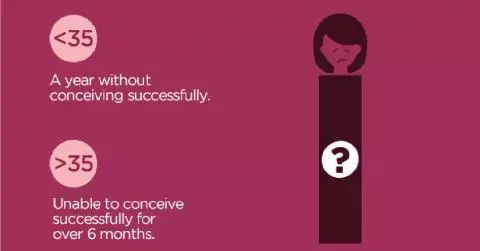
- Age: The chances of success with IUI are 15-20% per attempt for women less than 35 years of age, and start dropping after that. There is no role of IUI in women over the age of 40.
- Poor quality sperm: Poor quality sperm cells may not be motile and strong enough to reach the fallopian tubes.
- Timing: If there is no sperm present within 12-24 hours of ovulation, the egg present in the fallopian tube will disintegrate.
- Endometrial lining: If the endometrial lining is not proper, the fertilised egg will be unable to get embedded in the cavity.
- Ovulation related issues: In case of ovulation-related issues or lack of ovulation, there will be no egg cells produced for fertilisation.
- Progesterone: Deficiency in this hormone can result in the failure of IUI as it is integral to support a pregnancy.
Related Fertility Blogs