 Self-cycleTM IVF


-
-
-
 Infertility Counselling
-
 Female Infertility Treatment
-
 Andrology Treatment
-
 Fertility Enhancing Surgeries - Female
-
 Fertility Enhancing Surgeries - Male
-
 Endoscopy Treatment
-
 IUI Treatment
-
 IVF Treatment
-
 ICSI Treatment
-
 Advance IVF Solutions
-
 Embryology
-
 Vitrification Egg, Embryo, Sperm Freezing
-
 Preimplantation Genetic Testing (PGT)
-
 Donation Program Embryo / Egg / Sperm
-
 Self-cycleTM IVF
-
-
-
-
-
Low AMH Levels: What It Means and What You Can Do
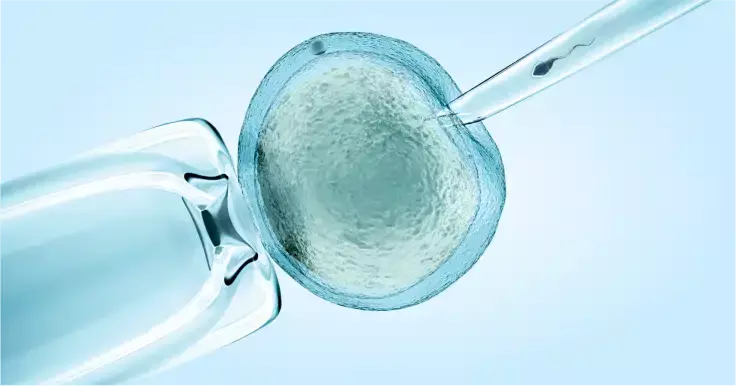
A low AMH level means the ovaries hold fewer developing follicles than expected for a given age, since AMH is produced directly by these follicles and reflects egg quantity, not quality. It does not confirm inability to conceive, nor does it mean donor eggs are the only path forward.
For a woman trying to plan a pregnancy, a low number on a lab report can feel more alarming than the biology actually warrants. Age, ovulation pattern, and overall reserve together shape what the result means for an individual case.
What Does a Low AMH Level Mean?
A low AMH level means the ovaries hold fewer small, developing follicles than expected for your age. According to ICMR-NIRRH's reproductive health research, AMH is produced directly by these follicles and enters the bloodstream in proportion to their number, which makes it a marker of egg quantity, the size of the reserve, not a direct measure of egg quality.
According to ASRM practice guidance on ovarian reserve testing, AMH levels below roughly 1.0 ng/mL are generally considered low, though reference ranges vary by lab and by age band. A younger woman with low AMH still typically has better egg quality than an older woman with the same number, since age affects quality on a separate biological track from quantity. The Journal of Human Reproductive Sciences reports this distinction holding across Indian patient data as well.
This distinction matters because a low reserve does not automatically mean a difficult path to pregnancy. Many women with low AMH conceive naturally or with modest medical support, particularly when ovulation is regular and no other factor is complicating the picture.
Signs and Symptoms Linked to Low AMH
A low AMH level rarely announces itself directly, since the hormone itself produces no physical sensation. Most women only discover it through a blood test ordered during a fertility workup or a routine check. A few indirect patterns are worth paying attention to.
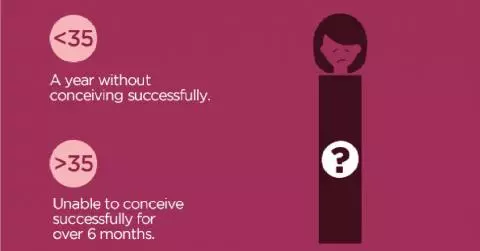
- Difficulty conceiving after twelve months of regular, unprotected intercourse.
- A weaker than expected response to ovarian stimulation medication during a fertility cycle.
- A family history of early menopause, since ovarian reserve patterns often run in families. ICMR-NIRRH reports this hereditary link in its ovarian ageing research.
None of these signs confirm low AMH on their own, and many women with low AMH notice no pattern at all before testing. A blood test remains the only reliable way to know the actual number.
What Causes Low AMH Levels?
Ovarian reserve declines for a mix of reasons, and identifying which one applies changes how a specialist frames the conversation about timeline and treatment. Age sits at the centre of most cases, but it is not the only driver.
Age and Ovarian Reserve
Egg reserve falls steadily from birth, with the decline accelerating after the mid-thirties for most women. FOGSI's ART practice guidelines describe this pattern as consistent across Indian and international patient data. This is a normal biological pattern, not a sign that something has gone wrong, and it explains why women planning IVF after 35 are usually advised to get their reserve checked well before symptoms appear.
Genetic and Medical Factors
Some women inherit a naturally lower starting reserve, which can bring early menopause into the family history. Conditions such as endometriosis, a disease where uterine-like tissue grows outside the uterus and can damage ovarian tissue, along with prior ovarian surgery or chemotherapy, can also lower AMH independent of age. ISAR notes this in its clinical position statements on ovarian reserve, and women with a genetic cause identified sometimes go on to consider PGT-A testing during a later IVF cycle to screen embryos for chromosomal issues.
Lifestyle Factors
Smoking accelerates follicle loss. ICMR-NIRRH reports this link in its Indian reproductive health studies, and chronic stress along with poor sleep can disrupt the hormonal signalling that supports ovarian function. These factors tend to compound an existing decline rather than cause it outright, which is why lifestyle changes support the treatment plan without replacing it.
Can You Get Pregnant With Low AMH? Treatment Options
Low AMH does not close the door on biological pregnancy for most women, and treatment decisions depend heavily on age, ovulation pattern, and how low the number actually is. Nova IVF follows a self-cycle-first approach wherever a woman remains clinically eligible, meaning IVF with her own eggs is the starting point rather than an early move to donor eggs.
Dr Saeeda Wasim, a fertility specialist in Hazratganj, notes that AMH reflects the potential of a woman's eggs, not a fixed outcome. A low result does not automatically mean IVF must proceed with donor eggs. She points out that a self-cycle attempt with a woman's own eggs remains reasonable for many women despite a low count.
Lab conditions matter just as much as the number itself, since a well-managed IVF lab helps eggs develop into healthy, transferable embryos. This step often decides whether a cycle succeeds regardless of the starting AMH. Women exploring this option can either consult our fertility clinic in Hazratganj or any Nova IVF Fertility centre nearby for an assessment before ruling out a self-cycle attempt.
Fertility Treatments for Low AMH
- IVF with tailored ovarian stimulation, where medication doses are adjusted specifically for a lower expected egg yield. FOGSI's ART practice guidelines recommend this approach for diminished reserve cases.
- ICSI, where a single sperm is injected directly into a retrieved egg to support fertilisation when egg numbers are limited.
- Egg freezing preserves eggs retrieved at the current age potentially improving future reproductive problems.
- Donor eggs, considered only when self-cycle attempts have not produced a viable path, in line with Nova's ethical stance against early donor routing.
Lifestyle Support for Egg Quality
- A diet built around antioxidants, lean protein, and omega-3 sources to support general reproductive health.
- Quitting smoking, since tobacco use directly accelerates follicle loss over time.
- Stress management through regular sleep and activity, which supports the hormonal balance underlying ovulation.
Cost for IVF with tailored stimulation varies with medication dose and any additional procedures such as ICSI, and a specialist consultation is the only reliable way to get an itemised estimate for an individual case. This content is for informational purposes and does not substitute medical advice, since individual clinical situations vary and treatment decisions should be made in consultation with a qualified reproductive medicine specialist.
Frequently Asked Questions
Can low AMH improve on its own?
AMH cannot be raised in any meaningful or lasting way, since it reflects a fixed follicle count rather than a hormone level that responds to treatment. Lifestyle changes can support the follicles that remain, but they do not increase the underlying number.
Is IVF the only option with low AMH?
No, many women with low AMH conceive naturally, particularly when ovulation is regular and the woman is still in her twenties or early thirties. IVF becomes more relevant when natural attempts have not succeeded after a reasonable period or when age adds further time pressure.
What is a good AMH level for my age?
A good AMH level is read against age rather than a single fixed number, since reserve naturally declines over time. A level in the average range for your specific age band generally reflects a reserve in line with expectations.
Can I still conceive with a very low AMH level?
Conception remains possible with a very low AMH level, though it usually takes more medical support to achieve. Egg quality matters as much as quantity, and a younger woman with very low AMH often retains reasonable quality despite the lower number.
Does low AMH affect IVF success rates?
Low AMH typically means fewer eggs are retrieved during an IVF cycle, since stimulation medication has less reserve to draw from. This can lower the number of embryos available per cycle, though it does not automatically lower the chance of a healthy pregnancy from the embryos that do form.
Related Fertility Blogs