 Self-cycleTM IVF



-
-
-
 Infertility Counselling
-
 Female Infertility Treatment
-
 Andrology Treatment
-
 Fertility Enhancing Surgeries - Female
-
 Fertility Enhancing Surgeries - Male
-
 Endoscopy Treatment
-
 IUI Treatment
-
 IVF Treatment
-
 ICSI Treatment
-
 Advance IVF Solutions
-
 Embryology
-
 Vitrification Egg, Embryo, Sperm Freezing
-
 Preimplantation Genetic Testing (PGT)
-
 Donation Program Embryo / Egg / Sperm
-
 Self-cycleTM IVF
-
-
-
-
-
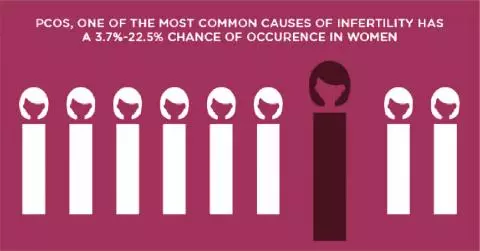
From PCOS to PMOS: What the Name Change Means for Your Fertility
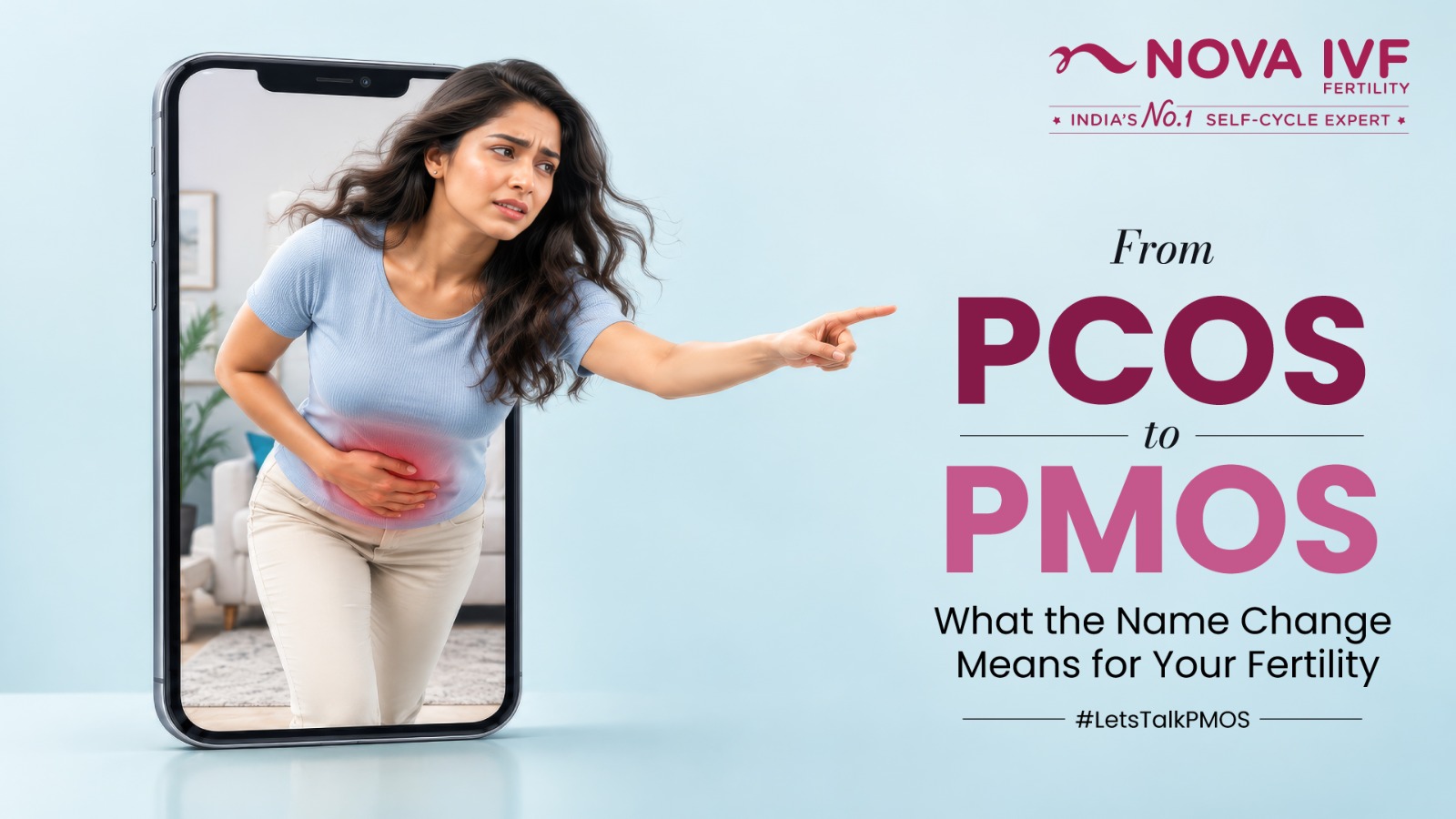
If you have ever searched for answers about irregular periods, hormonal changes, weight gain, acne or difficulty getting pregnant, you have probably come across the term PCOS.
Today, you may also be seeing another pop up for those searches - PMOS: Polyendocrine Metabolic Ovarian Syndrome.
The change from PCOS to PMOS reflects a broader way of looking at the condition. It recognises that what we commonly call PCOS can involve much more than just the ovaries. Hormonal health, metabolism, weight, skin and hair, mental well-being and reproductive health can all be part of the picture.
This is important when it comes to fertility as well. PMOS can affect ovulation and make it harder for some women to conceive, but a diagnosis does not mean that pregnancy is not an option for them.
So, what exactly does PMOS mean, what symptoms should you look out for, and what does it mean if you are trying to have a baby?
From PCOS to PMOS: Why Has the Name Changed?
The name PCOS has been around for decades and is still widely used. But today, the condition is not limited to the ovaries.
For some women, the symptoms may include irregular periods or problems with ovulation. For others, there may also be changes in weight and metabolism, acne, excess hair growth, or hair loss. Mental health and emotional well-being can also be affected.
The term PMOS brings this wider picture into focus. In other words, now the focus is not only on what is happening in the ovaries. It is also about understanding the hormonal and metabolic changes that may be happening in the body.
That broader perspective is useful because no two women experience the condition in exactly the same way.
What Are the Common PMOS Symptoms?
There is no single set of PMOS symptoms that every woman experiences.
Some women may notice changes in their periods first, while others may start seeing changes in their skin, hair or weight. In some cases, difficulty conceiving may be the reason a woman eventually gets evaluated.
Symptoms of PMOS may include:
- Irregular or unpredictable periods
- Irregular ovulation
- Changes in weight or metabolism
- Acne and other skin changes
- Increased facial or body hair
- Hair thinning or hair fall
- Hormonal changes
- Difficulty conceiving
PMOS can also have an impact beyond physical symptoms. Changes in appearance, weight issues, and difficulties with conception can affect emotional well-being as well.
It is important to remember that these symptoms can have several possible causes. Having irregular periods or acne alone does not mean that you have PMOS. A doctor may use your medical history, symptoms, examination, and relevant investigations to understand its underlying cause.
How Can PMOS Affect Fertility?
When people talk about PMOS and fertility, ovulation is an important part of the conversation.
The release of an egg from the ovary is known as ovulation, and for natural conception to take place, this egg needs to fertilise with the sperm during the fertile window. When ovulation is irregular or does not happen regularly, the chances of conception in a given cycle are reduced.
This is one reason some women with PMOS may take longer to become pregnant. But PMOS is not the same as infertility. Some women with PMOS become pregnant without fertility treatment, whereas others may need support to regulate ovulation or may require fertility treatment for additional reasons.
Age, ovarian reserve, sperm health, how long you have been trying to conceive, and several other factors can all affect your chances of pregnancy. Looking at these factors together gives a much clearer picture than focusing on PMOS alone.
PMOS and Ovulation: What Does It Mean When You Are Trying to Conceive?
Regular periods can sometimes give an indication that ovulation is happening, but they do not always tell the complete story. Similarly, irregular periods can make it difficult to predict or track when ovulation may occur.
If you are trying to conceive and have PMOS, your doctor may first look at whether you are ovulating regularly. This is because in some cases, improving ovulation may be enough to help with conception. Depending on the situation, treatment may include medicines that support ovulation. If pregnancy still does not happen, or if there are other factors affecting fertility, treatments such as IUI or IVF may be recommended to you.
What Are the Treatment Options for PMOS-Related Infertility?
PMOS fertility treatment depends on the individual. If irregular ovulation is the main concern, a doctor may recommend treatment to help your ovaries release an egg more regularly. If there are other fertility factors, those need to be considered as well.
Some couples may be advised to try IUI, while IVF may be recommended in other situations.
Before starting treatment, a fertility specialist may look at certain factors such as:
- Menstrual and ovulation patterns
- Ovarian reserve
- Age
- Previous fertility treatment
- Other reproductive or medical factors
- Sperm health of the husband
This helps the doctor decide what treatment is appropriate rather than automatically moving to IVF simply because PMOS is present.
PMOS and IVF: Why Ovarian Stimulation Needs Careful Planning
If IVF is recommended, ovarian stimulation is one of the first stages of the treatment.
Medicines are given to stimulate the ovaries to develop multiple eggs during one cycle. These eggs are then collected during the egg retrieval procedure and taken to the IVF laboratory for fertilisation.
But when it comes to stimulation, more is not necessarily better. The aim is to get an optimal number of eggs without overstimulating the ovaries. This is particularly important in women with PMOS, who may have a stronger response to stimulation medicines.
At Nova IVF Fertility, stimulation protocols are tailored to each patient to avoid hyperstimulation and achieve an optimal number of eggs. The dose of medication, stimulation protocol, and monitoring plan can all be adjusted according to how the ovaries respond during the cycle.
What Is OHSS and Why Is It a Concern in PMOS?
One of the biggest risks associated with ovarian stimulation in PMOS is OHSS, or ovarian hyperstimulation syndrome.
OHSS can occur when the ovaries respond too strongly to fertility medicines. The ovaries can become enlarged, and fluid can move into the abdomen and other parts of the body.
Symptoms may include bloating, abdominal discomfort, nausea, vomiting, and rapid weight gain. More serious cases can lead to complications and require medical care.
Not every woman with PMOS will develop OHSS. But because some women may respond more strongly to ovarian stimulation, the risk needs to be considered when planning an IVF cycle.
That is why stimulation should be monitored closely rather than following the same protocol for every patient.
How Is OHSS Prevented During IVF for PMOS?
OHSS prevention starts with the way an IVF cycle is planned.
A fertility specialist considers factors such as ovarian reserve, previous response to stimulation and the expected ovarian response before deciding on a protocol. The response is then monitored during treatment so that the approach can be adjusted when necessary.
At Nova IVF Fertility, stimulation protocols are tailored to help avoid hyperstimulation while achieving an optimal number of eggs. Depending on your clinical situation, this may include approaches such as antagonist protocols with agonist triggers and, where appropriate, segmental IVF. The purpose of these approaches is to manage the ovarian response and reduce the risk of OHSS while still allowing the treatment team to achieve a useful number of eggs.
The focus is therefore not simply on egg numbers, but on finding the right balance between ovarian response, treatment outcomes, and patient safety.
Nova IVF Fertility has also maintained an OHSS-free record across its clinics for years, reflecting its focus on prevention and carefully planned stimulation.
Can You Get Pregnant With PMOS?
Yes. PMOS and pregnancy is absolutely possible.
Some women with PMOS conceive naturally, while others may need treatment to help with ovulation or assisted reproductive techniques such as IUI or IVF.
How quickly someone becomes pregnant depends on many things. PMOS may be one factor, but age, ovulation, ovarian reserve, sperm health of the husband and other reproductive factors can matter too.
A diagnosis of PMOS should therefore not be treated as a prediction of whether or not someone will become a parent. Instead, it is a reason to understand your individual health and seek appropriate advice if you are having difficulty conceiving.
Conclusion: Understanding PMOS Beyond the Name Change
PMOS is more than an ovarian condition - it can affect hormones, metabolism, weight, skin and hair, mental well-being and reproductive health, which is why looking at the bigger picture matters when managing it.
When you are trying to conceive, the focus is not only on getting ovulation back on track, but also on understanding what may be affecting your fertility and choosing treatment accordingly.
If you have been trying to conceive without success, have irregular or absent ovulation, or have already been diagnosed with PMOS, speaking to a fertility specialist can help you understand your options and plan the right next steps.
For those who need IVF, careful planning becomes especially important. At Nova IVF Fertility, stimulation protocols are tailored to each patient with the aim of avoiding hyperstimulation while achieving an optimal number of eggs. With the right approach and medical guidance, PMOS does not have to stand in the way of your parenthood journey.
Related Fertility Blogs